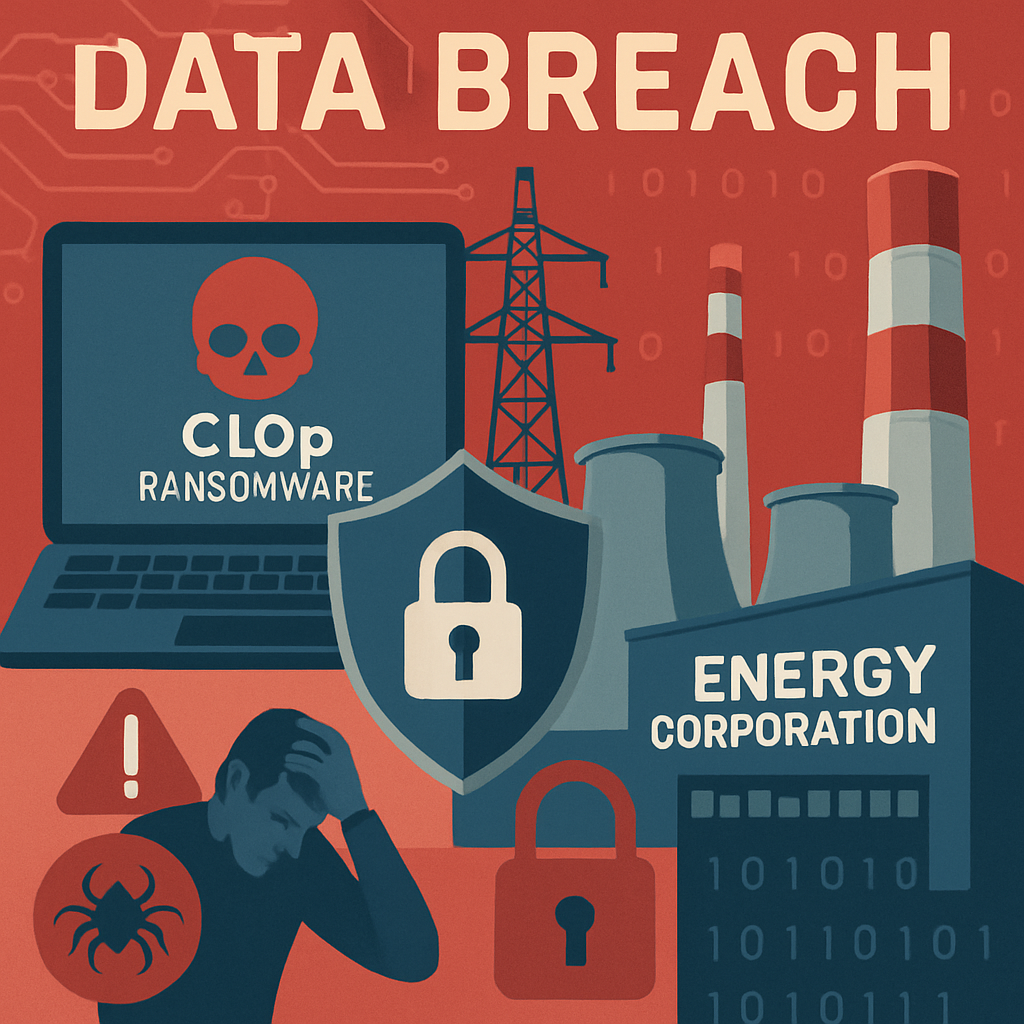
Shell, the multinational energy corporation, is currently investigating a potential data breach following assertions by the Cl0p ransomware group that they have exfiltrated approximately 89 gigabytes of the company’s internal data. The alleged stolen information reportedly includes engineering drawings, facility photographs, project roadmaps, and testing reports.
Cl0p, also known as TA505 or FIN11 affiliates, has a history of targeting enterprise software through mass-exploitation campaigns. Notably, the group has previously executed zero-day supply chain attacks against managed file transfer platforms, compromising numerous organizations worldwide. Their typical modus operandi involves data exfiltration and extortion, often bypassing traditional ransomware encryption methods.
Shell has activated its internal cyber incident response protocols and is collaborating with third-party digital forensics firms to assess the integrity of its networks. The company has not confirmed any operational disruptions to its refineries, drilling operations, or core IT infrastructure. Investigations are ongoing to determine the extent of unauthorized access, if any.
Security experts emphasize the importance of robust perimeter controls and strict vendor access policies, especially for organizations managing critical infrastructure. Recommendations include identifying all internet-facing management appliances, auditing external-facing dependencies, and promptly patching known vulnerabilities. Additionally, enforcing centralized log aggregation, deploying multi-factor authentication on administrative services, and monitoring outbound traffic for unusual exfiltration patterns are advised.
As Shell’s forensic investigation continues, it’s imperative for organizations within the energy sector to assess their exposure to similar threats and ensure their incident response plans are up-to-date. This incident underscores the persistent risks posed by sophisticated cybercriminal groups and the necessity for proactive cybersecurity measures.