Many financial analysts are casting doubt on preorders for the iPhone 18 Pro, citing slower sell-outs and comparing burn rates to older launch models. Those concerns may be seriously misplaced.
iPhone Duo shifts the demand equation
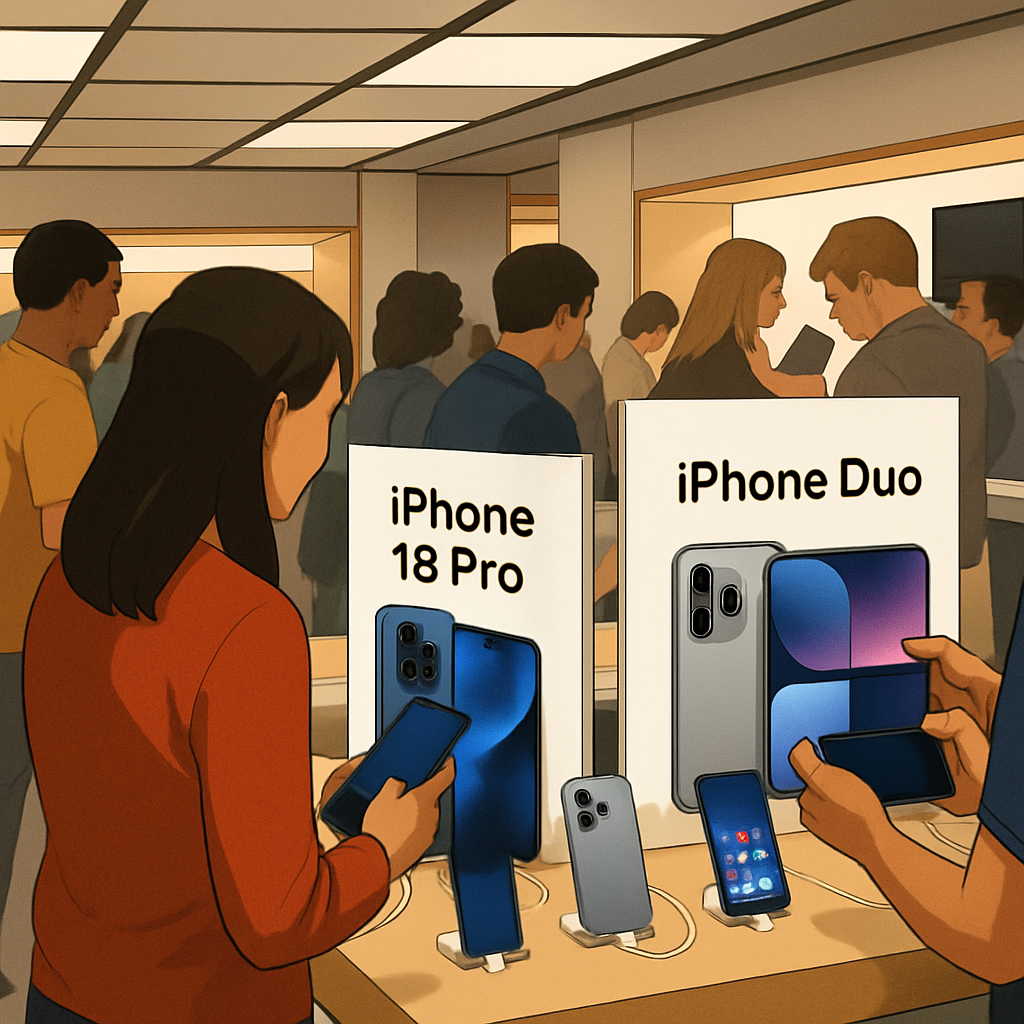
This year’s Apple release adventure features a twist: the iPhone Duo. There’s no non-Pro iPhone 18 launching in September or October—Apple has chosen to debut the Pro class first. The result? Analysts are underestimating early demand, especially how many buyers willing to pay up for Pro/Pro Max models are seizing them now. The usual patterns—where non-Pro models gain ground after the holidays—are being disrupted. This year, Pro variants take center stage through the fall and winter holiday season.
Why year-over-year comparisons miss the mark
Observers are drawing alarming conclusions from slower sell-outs, but those comparisons to previous launch cycles ignore how Apple changed the game. With the iPhone Duo arriving in October—and capturing demand that would have gone to entry-level Pros in the past—the baseline is shifted. The non-Pro iPhone 18 isn’t part of September’s batch, which throws off direct comparisons with prior years.
Looking ahead: sales balance will shift, as usual
Even so, the long-term balance is expected to follow the familiar trajectory: earlier in the cycle, Pros dominate. After the holidays—usually between February and March—the non-Pro models tend to pick up the lead in sales volume. So while the early demand signal is strong for iPhone 18 Pro, Apple likely expects non-Pros to overtake later.
Why this matters—for analysts and investors
Stock analysts often set price targets or issue warnings based on preorder sell-outs. But judging Apple’s financial health from early inventory depletion or lack thereof without factoring in changes like launch timing or product mix risks being misleading. The case of the iPhone 18 Pro demonstrates how shifts in launch strategy can distort expectations.
What to watch: Apple earnings in the first quarter, when non-Pro demand kicks in; the preorder volume of iPhone Duo in October; and how Apple navigates production and inventory through the holidays.
Bottom line: The noise around preorder pacing shouldn’t distract from the fact that Apple has reshaped how it rolls out its lineup—this year’s strategy means early Pro demand looks lower only if you’re judging it by old rules. By the time we reach early 2027, sales mix will likely align with previous cycles once we factor in the iPhone Duo timing shift.