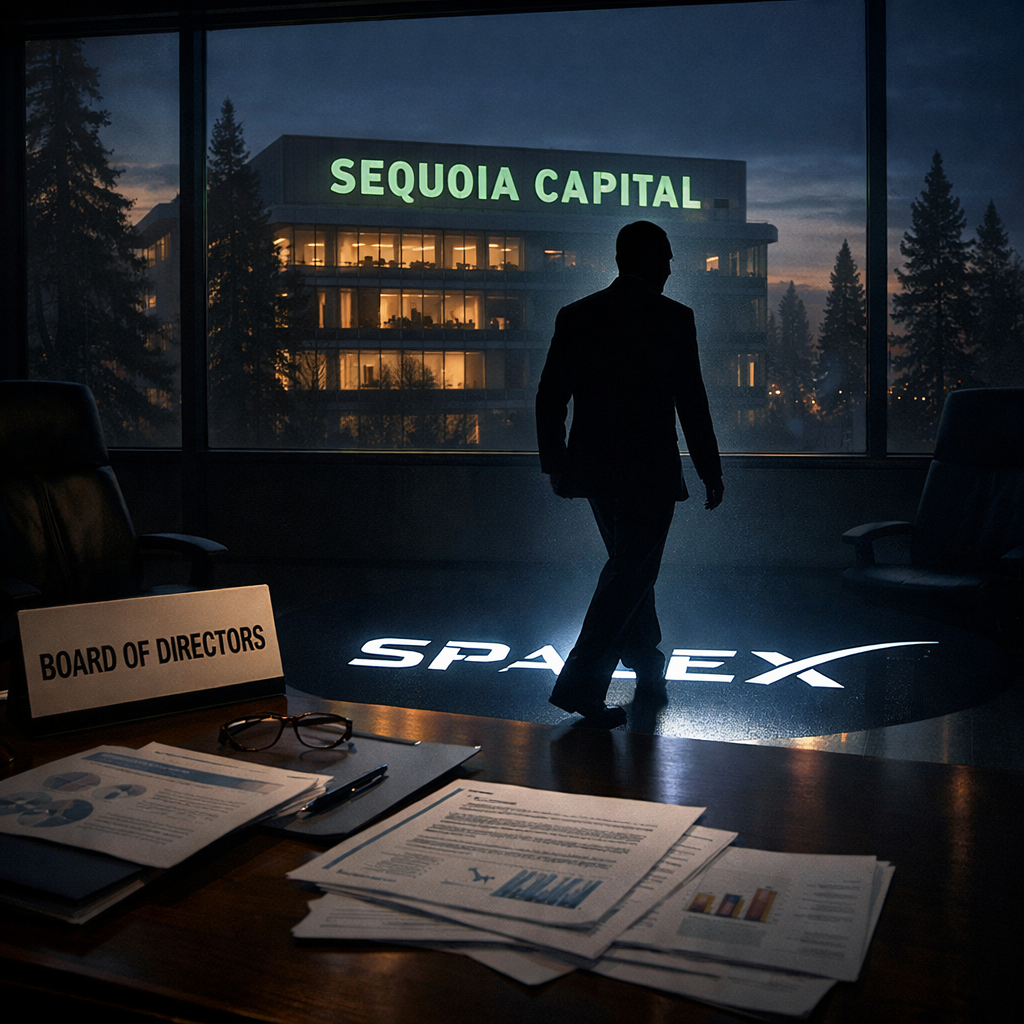
Sequoia Capital is undergoing a shake-up this week, but one of the most surprising developments may have been overshadowed. Roelof Botha, Sequoia’s ex-leader, has joined the SpaceX board — a move that reportedly came without warning to Sequoia’s partners. Sources say the firm didn’t get any prior notice, formal compliance review, or partnership approval before Botha committed to the role this summer. One result: concerns that this new affiliation could complicate the handling of Sequoia’s roughly $20 billion stake in SpaceX.
This revelation comes amid a broader overhaul at Sequoia. The firm recently shut its London office, merged its early-stage and growth investing teams, and ended its Scouts program. These changes are being interpreted by some as part of an effort to undo the legacy of Botha, who stepped down as Sequoia’s steward last year. According to sources, Botha favored strong processes and clear hierarchy — traits not universally embraced by the rest of the leadership. Other insiders believe the firm’s recent moves represent more than reorganization, calling them an “erasure” of Botha’s heritage.
What led to the surprise?
Those inside the firm say Botha didn’t inform the partnership before joining SpaceX’s board, and didn’t go through internal compliance — a combination seen as a breach of standard procedure. The lack of formal sign-off has caused turbulence because Sequoia owns a significant share in SpaceX, making any board role especially sensitive.
Sequoia has responded by emphasizing ongoing cooperation with Botha. A spokesperson indicated there are still close ties, despite the reportedly rocky lead-up to his appointment. No indication was made that Sequoia is cutting formal or informal links with its former leader.
Why this matters
Sequoia has long stood as a leading venture capital firm. Roelof Botha was central to much of its output during his tenure. His style, focus on compliance and structure, and long history at the firm are well known — so when such changes come without apparent internal agreement, it sends a message. It raises questions about internal alignment, governance norms, and how much influence former leaders retain.
The firm’s efforts—office closures, team consolidations, scrapping programs—reflect broader tensions about Sequoia’s identity and direction. With Botha stepping into a high-profile external role without traditional ratification, the possibility of conflicts of interest or strategic divergence becomes more than theoretical.
Analytically, this episode is more than a board appointment. It’s a flashpoint illustrating how legacy, leadership, and organizational operating norms are in flux at major VC firms. For observers, it’s worth monitoring how Sequoia handles balance between its storied heritage and evolving governance practices. Tensions over transparency, decision-making protocols, and roles of emeritus figures could reshape governance expectations across the venture capital sector.