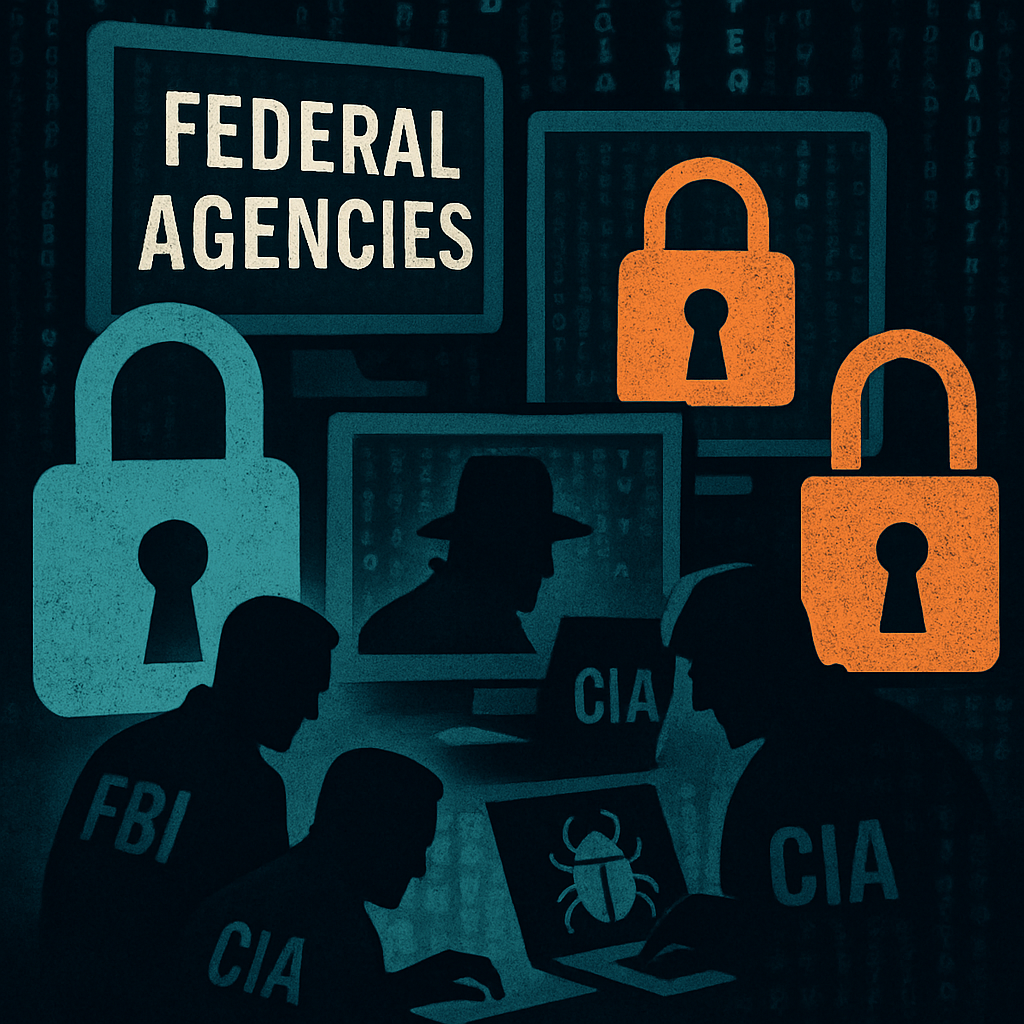
A U.S. Senator has urged the Government Accountability Office (GAO) to conduct a detailed audit into how federal law enforcement agencies deploy hacking tools and spyware, raising questions about oversight, transparency, and civil liberties.
What triggered the call for review?
The request came from Senator Ron Wyden, who addressed a letter to the GAO on August 21, 2026. Wyden emphasized that federal entities such as the FBI, Drug Enforcement Administration, Homeland Security Investigations (part of ICE), and the Secret Service utilize hacking tools in investigations, yet information on their scope and frequency remains largely under wraps. He is seeking an unclassified report from the GAO that outlines whether these capabilities are being used appropriately and lawfully. ([techcrunch.com](https://techcrunch.com/2026/08/21/senator-asks-us-federal-watchdog-to-review-how-feds-use-hacking-tools/))
According to Wyden, unlike more familiar surveillance methods such as wiretaps and pen registers—which are periodically reported to Congress—the government does not regularly disclose details about hacking operations. This lack of reporting makes it difficult for lawmakers and the public to assess whether operational safeguards are effective or whether these tools are misused. ([techcrunch.com](https://techcrunch.com/2026/08/21/senator-asks-us-federal-watchdog-to-review-how-feds-use-hacking-tools/))
What Wyden wants the GAO to examine
The Senator’s letter lays out several areas for investigation. The first is whether hacking tools and spyware have ever been misused—either for unauthorized purposes or personal gain—and whether technical controls and oversight are in place to prevent such abuses. ([techcrunch.com](https://techcrunch.com/2026/08/21/senator-asks-us-federal-watchdog-to-review-how-feds-use-hacking-tools/))
Next, Wyden asks the GAO to review how these tools are acquired, stored, and secured, and whether there’s a process for reporting security vulnerabilities to companies, so tech firms can patch flaws.
Case examples & historical use
To underline the risks around hacking tools, Wyden pointed to the case of a former executive at the contractor L3Harris who allegedly stole advanced hacking tools and sold them to a Russian broker. These tools reportedly found their way into the hands of Russian intelligence and Chinese cybercriminals.
Several administrations have received requests from Congress seeking more transparency on this front. According to Wyden, the Department of Justice and FBI have repeatedly declined to provide detailed reporting on hacking operations.
What this means going forward
This review, if conducted, could bring sweeping changes in how federal agencies justify and account for the use of hacking tools in criminal investigations and national security operations. It may prompt new laws or regulations around transparency requirements, warrant procedures, disclosure of risks, and oversight mechanisms. Agencies may need to be more rigorous in protecting tools from theft or misuse, and courts might demand greater disclosure.
Ultimately, this effort is part of a broader national debate: how to balance law enforcement’s capabilities with protections for privacy and civil liberties. Hacking tools can be vital for tracking criminals and threats, but without clear oversight, they pose serious risks of abuse. Washington will be watching whether the GAO’s inquiry changes the conversation — and the rules.