Apple is on the cusp of shaking up its smart home ecosystem. All eyes are on the company’s “Welcome Home” event on October 13, where insiders expect several key announcements that could reshape how people interact with Apple Home.
What’s Changing: Second-Party Apple Home Accessories
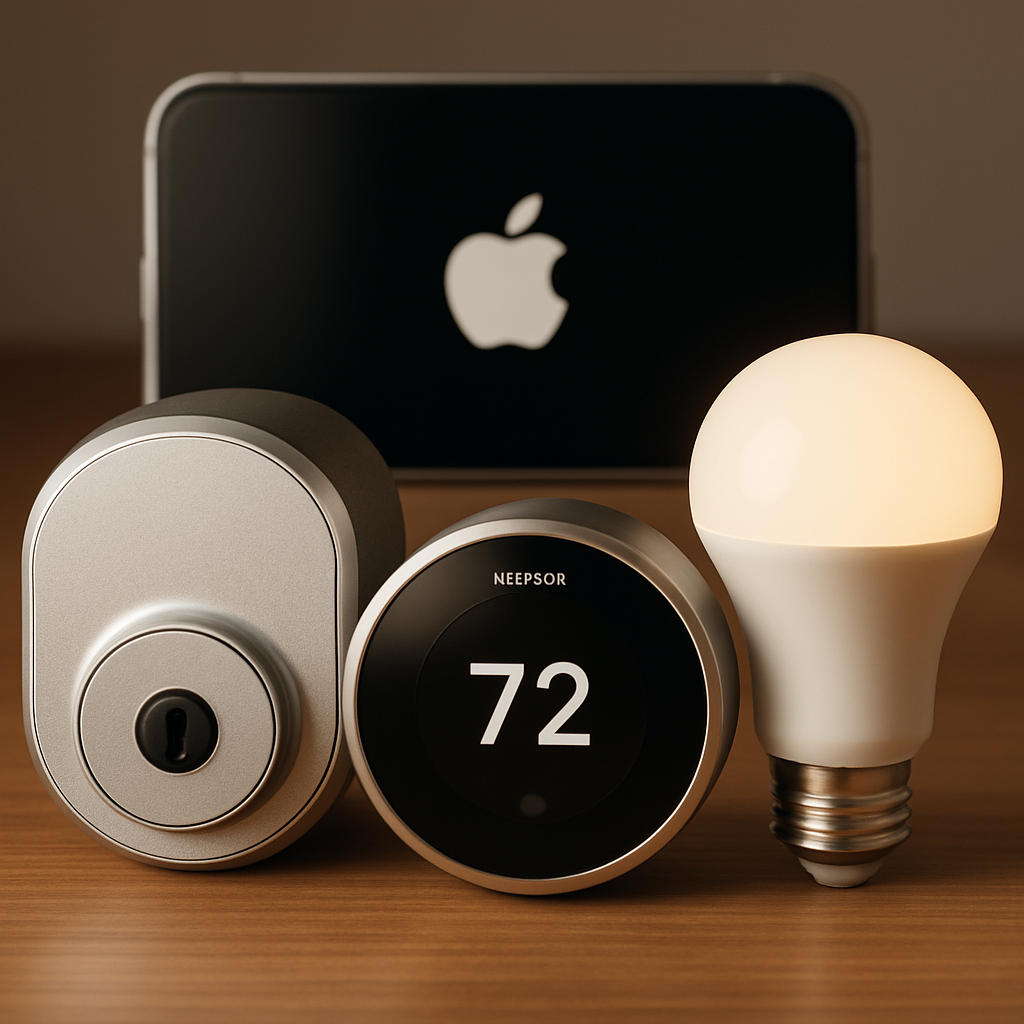
Apple seems poised to introduce a new category of “second-party” accessories—devices not built by Apple, but designed to its exacting standards and deeply integrated with its platforms. These accessories are rumored to require features like HomeKit Secure Video for cameras, NFC pairing, and functionality with Home Key. Once powered on, these accessories might immediately present an Apple-style pairing interface similar to AirPods or Beats. LG is confirmed to be one of the manufacturers working under these conditions. Schneider appears on the leaked lists as well, suggesting a broader rollout with multiple brands. The idea is to offer accessories that feel as if Apple made them—even though third parties are responsible for their manufacturing.
Why This Matters: Apple Home’s Stalled Innovation
Despite the promise of Matter—the cross-platform smart home standard—Apple has been seen lagging in delivering consistent support for its latest versions. Critics argue that many smart home devices still need to deliver more than basic on/off toggles to earn their place in an Apple-centric setup. Meanwhile, the Apple Home app has long been criticized for its aging interface and lack of flexible integration for third-party accessories.
Expected Hardware and Software Highlights
The upcoming event is rumored to see at least three new Apple Home-adjacent devices: a refreshed Apple TV 4K, a new HomePod mini, and a Home Hub tablet smaller than the iPad mini that displays information passively and seamlessly connects with existing Apple gear.
On the software front, observers hope for a substantial redesign of the Apple Home app. Suggestions include using widgets to surface controls for third-party accessories directly in the app and allowing developers more freedom in how their gear is represented and controlled. Without these changes, ever-better hardware and tighter integrations won’t fully address the deeper usability frustrations many users report.
What to Keep an Eye On at the Event
- Which brands beyond LG and Schneider appear in Apple’s second-party program.
- Which accessory functionalities are required to earn the second-party label.
- The public preview of any Home app redesign—UI changes, new automation tools, and support for third-party controls.
- Performance boosts in the new Apple TV 4K and how much processing is moved on-device vs. in the cloud.
- The role and positioning of the Home Hub tablet—how it adds value beyond existing HomePods and Apple TVs.
Second-party accessories have the potential to restore faith in Apple Home by shining a spotlight on gear that works well—not just one that merely checks a Matter box. But for this reboot to stick, it needs to be more than glossy devices. It needs software and app coherence. When the hardware, partnerships, and user experience align, Apple could turn the smart home ecosystem on its head in just a single event.