A new extortion gang called ScarlettGroup has surfaced, threatening to reveal stolen data if targeted organizations don’t comply. It’s using publicly visible countdown timers and a dark web leak site to pressure victims—before any breach claims are independently verified.
Who/What is ScarlettGroup?
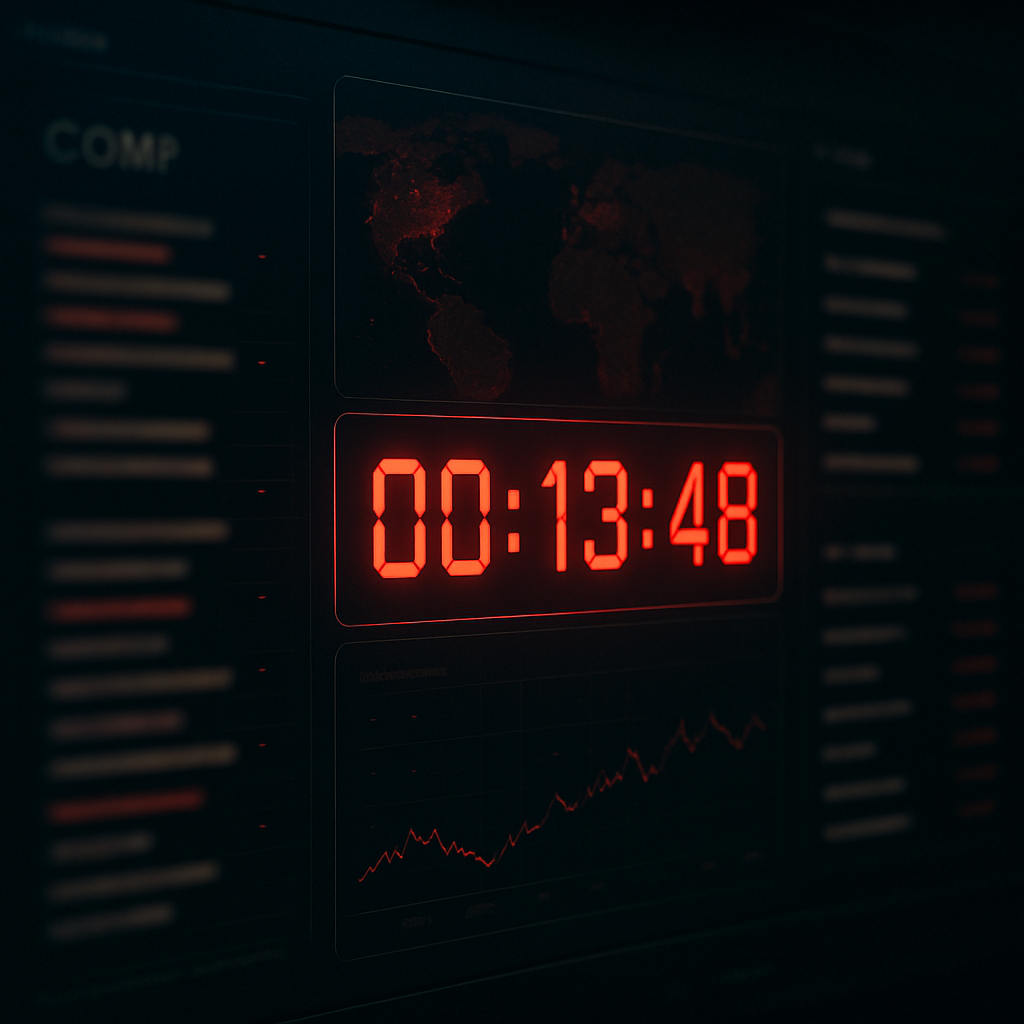
ScarlettGroup was first spotted in threat intelligence records around September 2026 and became more active and visible during October. Unlike many ransomware gangs, there’s as yet no proof it’s encrypting data. Instead, its primary tactic is posting alleged victims—spanning sectors like technology, education, government, and entertainment—on a leak site, tagging them with industry labels, whether their data breach is supposedly proven, and ticking down a clock until disclosure. The goal appears to be forcing interaction with the group on their terms. An analyst firm tracked this activity in a report released October 21, 2026.
How the Extortion Playbook Works
ScarlettGroup’s process follows a three-stage model: first, publicly naming the company; second, opening a negotiation period; third, either removing the listing (if a deal is struck) or publishing the data. The deletion promised after settlements cannot be verified, and there is no guarantee that data won’t still exist or that network access has ended.
While this may look familiar—some believe it resembles an earlier breach claim involving a countdown timer with BMW—it is important to note there is no technical or organizational link between ScarlettGroup and any past cases. The comparison is limited to the public pressure tactics.
What We Still Don’t Know
Researchers haven’t identified how ScarlettGroup gains access to networks, whether it uses malware or ransomware, or what size or number of victims are involved. No exploited vulnerability has been traced, no samples of malicious software published, and no confirmed technical route into victim systems has been verified. For now, all that’s visible is the public-facing extortion strategy.
What Organizations Should Do
If a company finds its name listed, it should treat that as a potential warning—investigate for unauthorized access—but not assume the claim is valid without internal evidence. Experts stress the importance of strong access controls like multi-factor authentication, limiting permissions, auditing exposed credentials, and locking down internet-facing systems. Monitoring leak sites and underground forums helps gather early intelligence, but context and verification are essential. Incident response procedures should be battle-tested and ready to activate.
This new threat underscores a shifting landscape: the public exposure game is evolving. ScarlettGroup may not be traditional ransomware, but its pressure tactics force quick decisions—and they could be damaging even when the technical breach remains unconfirmed.
What this means: Public naming and countdowns are adding new urgency to how companies respond to cyber threats. The pressure is on IT and security teams to verify claims quickly, extend incident response playbooks, and prepare for extortion attempts even without encryption-based malware. Defense going forward must include not just prevention and detection, but also handling public-facing reputational risk.