Anthropic has upgraded Claude Security to perform continuous scanning of connected code repositories, offering near-instant detection of vulnerabilities and tracking their fixes, instead of relying on manual scans. This enhancement is currently available in public beta for Claude Enterprise customers.
Since its launch in April, Claude Security has been used by thousands of organizations, and over a million vulnerabilities have reportedly been discovered through its scans—though this figure comes directly from Anthropic and has not been independently verified.
How Continuous Scanning Works
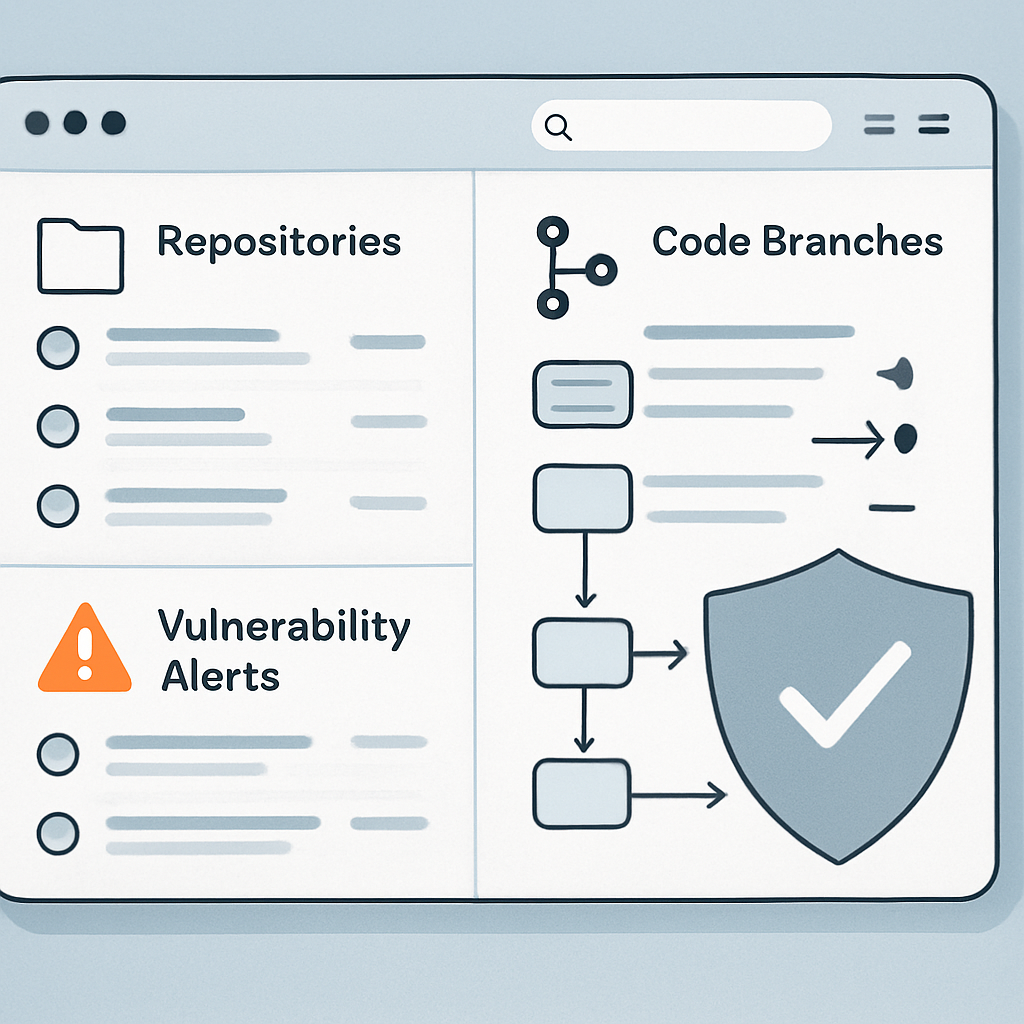
Users set up a project by linking their repositories, selecting relevant branches, and defining which parts of the codebase to monitor. The service integrates with major platforms via a GitHub app (including GitHub Enterprise Server) or by using access tokens for GitLab and other code hosts. A full “baseline” scan is performed to establish existing issues, followed by incremental scans triggered by code changes. Frequency depends on risk level and complexity—there’s no fixed schedule.
The update also allows projects to include multiple repositories, enabling Claude Security to analyze cross-service interactions. For example, it can follow the flow of data through backend and frontend code to find problems that emerge only when multiple services work together.
Contextual Analysis, Fix Verification, and Workflow Integration
Analyses are powered by Anthropic models, including their Claude Mythos family. Findings are rated for severity based on the project’s threat model, explanations are provided for how code can be exploited, and sometimes diagrams show exactly how vulnerable paths occur in the application.
A key feature is its ability to track fixes. When code changes resolve a finding—even outside Claude’s tools—the system detects the correction, marks the issue fixed, and reopens it if the vulnerability returns in a later scan.
Organizations can also enrich their projects with additional contextual information: deployment settings, security controls in place, and internal rules. Claude Security can pull together a threat model from the code, which users can edit; the threat model then helps assign priority to issues, cutting down noise from risks that are already mitigated.
To support real-world workflows, Anthropic has added APIs, webhooks, and a connector for Claude.ai and Claude Code. Teams can manage and review findings programmatically, trigger alerts via webhooks, or use role-based access controls to assign who can view, review, or resolve issues.
The product is still in beta. Anthropic emphasizes that its findings—even though automated—are signals rather than absolutes. Scan results can vary from run to run; suggested fixes should be reviewed by human experts before being trusted.
Why This Matters
The shift to continuous scanning reflects a broader trend in cybersecurity: moving from periodic reviews to continuous risk monitoring. As software complexity grows, new changes or configuration shifts can reintroduce vulnerabilities, making old fixes obsolete. By detecting issues in near real-time, Claude Security provides development and security teams with tighter feedback loops and better oversight.
This development underscores how AI models are increasingly embedded in security tools to not just find flaws, but also to help assess context, severity, and remediation. What to watch next: How accurately Claude Security handles cross-repository vulnerabilities, how it integrates with existing DevSecOps pipelines, and whether it can reduce false positives without missing real threats.