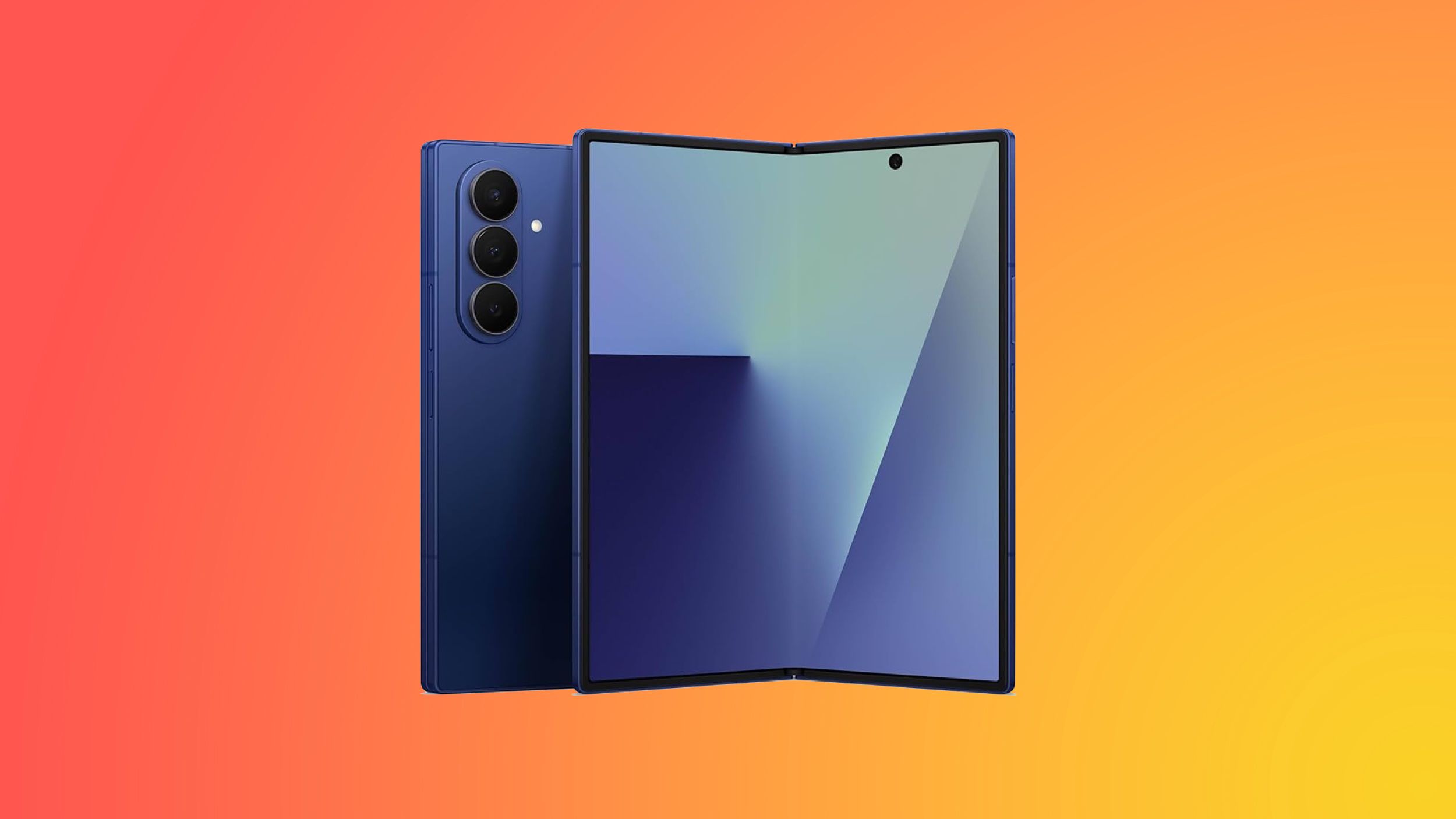
Samsung’s U.S. Price Hikes Signal Potential Cost Increases for Apple Devices
In a recent development, Samsung has implemented price increases across several of its smartphone and tablet models in the United States. This move is largely attributed to escalating costs stemming from ongoing memory shortages.
According to reports from PhoneArena, the 512GB Galaxy Z Flip has seen an $80 price hike, rising from $1,219.99 to $1,299.99. Similarly, the S25 Edge and S25 FE models have experienced increases of $80 and $40, respectively. Notably, Samsung’s latest S26 smartphones have maintained their initial pricing, as they were introduced at higher price points compared to their predecessors. However, earlier this month, the company also raised the prices of the 512GB and 1TB Galaxy Z Fold 7 models.
The price adjustments extend beyond smartphones. Samsung’s entire U.S. tablet lineup has been affected, including the latest Galaxy Tab S11 and Galaxy Tab S11 Ultra models. The base Galaxy Tab S11 now costs $900, reflecting a $100 increase, while the S11 Ultra is priced at $1,299, up by the same amount. Higher-end configurations have seen even steeper hikes; for instance, the 1TB S11 Ultra now retails at $1,899.99, marking a $280 increase.
While Samsung has not officially commented on these price changes, the quiet adjustments suggest that the company anticipates the need to charge more for upcoming devices slated for release later this year.
As a leading smartphone manufacturer, Samsung’s inability to absorb rising costs without passing them on to consumers raises concerns that other tech giants, such as Apple, may face similar challenges. This could potentially lead to higher prices for Apple’s forthcoming devices.
Earlier this year, Apple released new MacBook Air and MacBook Pro models that were priced higher than their predecessors. To justify these increases, Apple enhanced the storage capacities of these devices. Additionally, the company removed the 512GB RAM upgrade option for the Mac Studio and increased the price of the 256GB RAM upgrade by $400. Apple has also ceased accepting orders for certain Mac Studio and Mac mini configurations with higher RAM capacities. For the remaining stock, shipping times have become significantly extended.
The tech industry is grappling with heightened demand for memory and storage, primarily driven by the needs of artificial intelligence data centers. Manufacturers are prioritizing AI chip production over consumer product chips due to the profitability of large data center contracts. Despite operating at full capacity, chipmakers like Samsung, TSMC, and SK Hynix are struggling to meet this demand, leading to supply shortages and subsequent price increases.
During Apple’s January earnings call, CEO Tim Cook acknowledged that memory costs did not impact the company’s gross margin in the first fiscal quarter. However, he anticipated a more significant effect in the second fiscal quarter. Cook mentioned that Apple is exploring various strategies to manage rising costs over the long term, including seeking price reductions from suppliers in other areas to offset the increases. Reports indicate that Apple has agreed to pay Samsung twice as much for LPDDR5X memory chips for ongoing iPhone 17 production.
Apple analyst Ming-Chi Kuo has suggested that Apple aims to keep the starting prices of the iPhone 18 consistent, despite the higher component costs. He believes Apple may absorb these costs to maintain market share and compensate through its services sector. Additionally, Apple plans to launch a new foldable iPhone this year, with a rumored price tag exceeding $2,000, which could help bolster the company’s margins.
Apple has been planning M5 updates for the Mac Studio and Mac mini. It remains uncertain how the current memory shortages and extended shipping times for existing models will influence these plans.