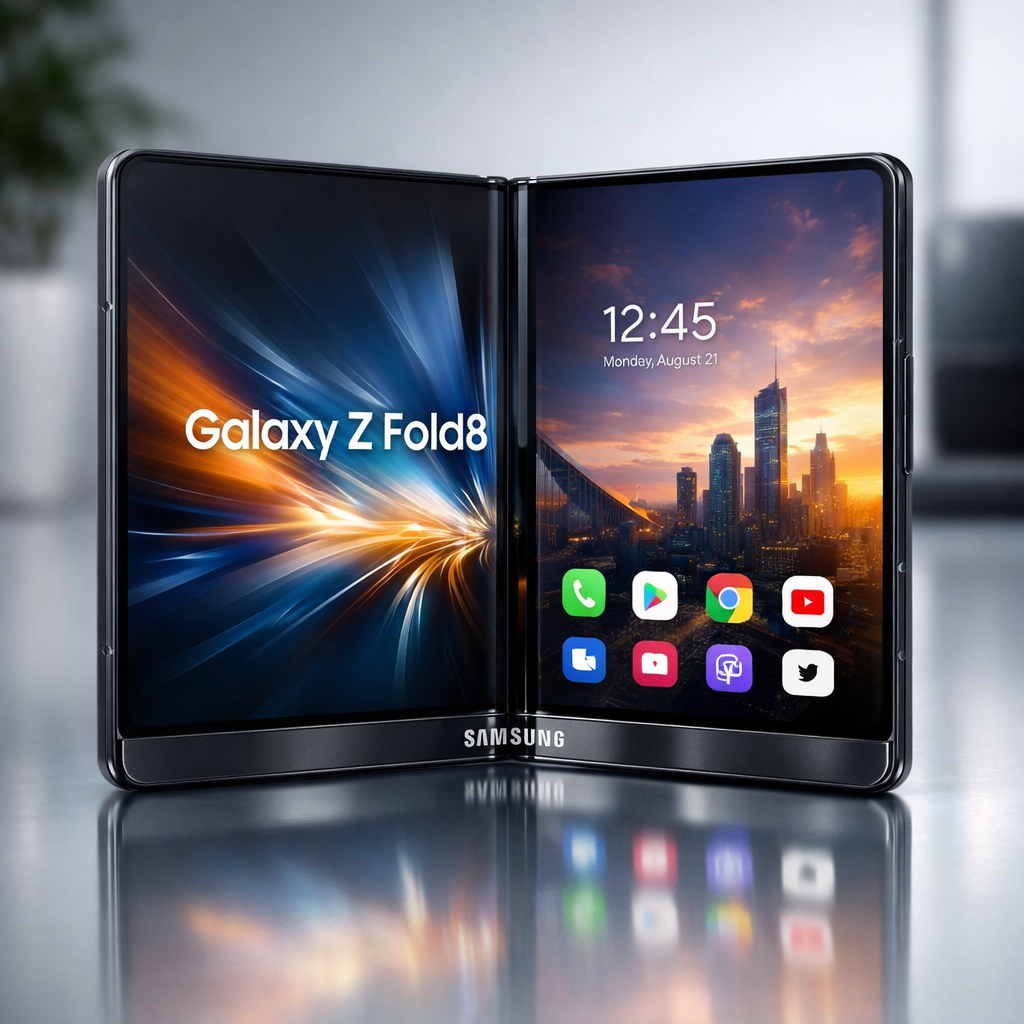
Samsung’s Galaxy Z Fold 8 has seen a noticeable bump in sales following the much-discussed launch of Apple’s iPhone Duo. When Apple’s new Duo model hit shelves on October 23, sales of the Fold 8 in South Korea jumped by around 20% over the week ending October 29 compared to the days prior. While exact unit numbers weren’t provided, the rise reflects renewed consumer interest in Samsung’s foldable lineup.
What’s Behind the Uptick?
Multiple factors appear to have driven customers toward Samsung’s offering. First among them: the iPhone Duo’s early hardware issues, dubbed “crackgate,” where several users reported inner-screen breakage believed to stem from a manufacturing flaw. Compounded by complaints about unoptimized third-party apps, Apple’s newcomer has faced some serious early criticism that seems to have damaged consumer confidence.
Price and value are also playing a role. In South Korea, the Galaxy Z Fold 8 is significantly less expensive than the iPhone Duo. Moreover, with the Fold 8 already in the market, Samsung has been discounting aggressively—a factor that boosts its appeal as a pretested and cheaper option.
What It Means for Foldables and Competition
The timing of this shift is striking. As Apple attempts to establish itself in the foldable phone category for the first time, Samsung’s years of experience give it an edge—both for execution and consumer trust. The Fold 8’s demand spike suggests that when a newcomer stumbles (whether through design flaws or early user trouble), incumbents stand to benefit.
Currently, the Galaxy Z Fold 8 starts at around $1,599 in the U.S. market. Samsung is reportedly doubling down on foldables in 2027, hinting at more attention, innovation, and perhaps competitive pricing ahead.
For Apple, the fallout from “crackgate” goes beyond just hardware. Early traumas like these tend to amplify doubts around build quality and durability, especially in a form factor with tighter tolerances like foldables. The Duo’s issues may give potential buyers reason to hesitate—and that helps Samsung, which gets to look like the safer bet in comparison.
The sales jump for the Galaxy Z Fold 8 reveals that technological margins matter, trust still counts, and early mistakes can shift momentum fast. For consumers, it’s a reminder to assess launch-day reviews, long-term durability, and value. For manufacturers, this moment is a bellwether: buckling under production missteps can open the door wide for competitors—especially when you’re entering uncharted territory.
Why This Matters
Foldables are one of the fastest-evolving segments in mobile. When Apple introduced its take with the Duo, expectations were high. The mixed reception underlines how even established brands can falter when stretching into new form factors. Samsung’s Fold 8 capitalizes not just on its own strengths—prices, polish, prior model experience—but on mishaps by Apple. Going forward, what chip types are used, how reliable hinges become, and how vendors address software compatibility will matter more than ever.