Samsung continues to solidify its dominance in the Wear OS market with the release of the Galaxy Watch 9 and Galaxy Watch Ultra 2. While these new models maintain the familiar design language of their predecessors, they introduce several noteworthy enhancements that cater to both casual users and fitness enthusiasts.
The Galaxy Watch 9 retains the aesthetic of the previous generation, with subtle refinements aimed at improving user experience. One such change is the introduction of an “air pocket” strap, designed to reduce weight and enhance comfort. However, potential concerns arise regarding its practicality during intense workouts, as the design might inadvertently channel sweat. Despite this, the strap’s increased pliability offers a more comfortable fit for daily wear.
Under the hood, the Galaxy Watch 9 sees a significant upgrade with the inclusion of Qualcomm’s Snapdragon Wear Elite chipset. This marks a departure from Samsung’s traditional use of Exynos processors in its wearables. The new chipset promises enhanced performance and efficiency, potentially leading to better battery life and smoother operation. Battery capacities have also been adjusted: the 40mm model now houses a 390mAh battery, reflecting a nearly 20% increase, while the 44mm variant features a 445mAh battery, a modest 10mAh boost. These changes suggest a focus on extending battery longevity, particularly for the smaller model.
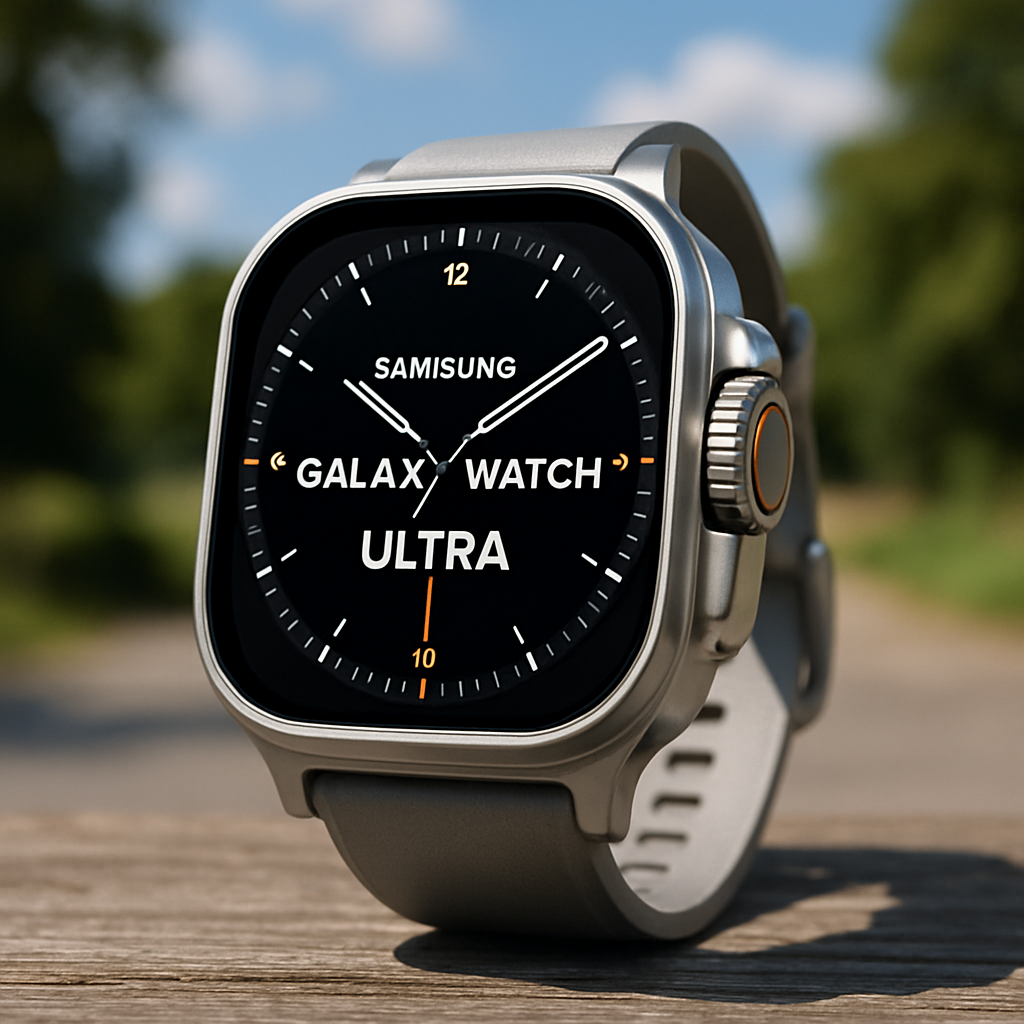
The Galaxy Watch Ultra 2 stands out with its more pronounced design evolution. Embracing a boxier aesthetic, it aligns more closely with the rugged smartwatch segment. The flatter profile offers a cleaner look, and while the beloved rotating bezel is absent, the design appears more integrated and cohesive. Color options are limited to silver and gray, with the notable absence of a white variant. A matte black option, reminiscent of competitors’ offerings, would have been a welcome addition.
Despite being 12% thinner than its predecessor, the Ultra 2 impressively incorporates an 800mAh battery, suggesting potential for extended multi-day usage. A standout feature is its display, which boasts a peak brightness of 5,000 nits. This enhancement ensures optimal readability even in the brightest outdoor conditions, catering to users who frequently engage in outdoor activities.
In summary, while the Galaxy Watch 9 and Ultra 2 may not revolutionize the smartwatch landscape, they offer thoughtful improvements that enhance user experience. The shift to Qualcomm’s Snapdragon Wear Elite chipset indicates Samsung’s commitment to performance optimization. The Ultra 2’s design and display upgrades position it as a strong contender in the rugged smartwatch market. As the wearable tech industry continues to evolve, these incremental yet meaningful updates demonstrate Samsung’s dedication to meeting user needs and staying competitive.