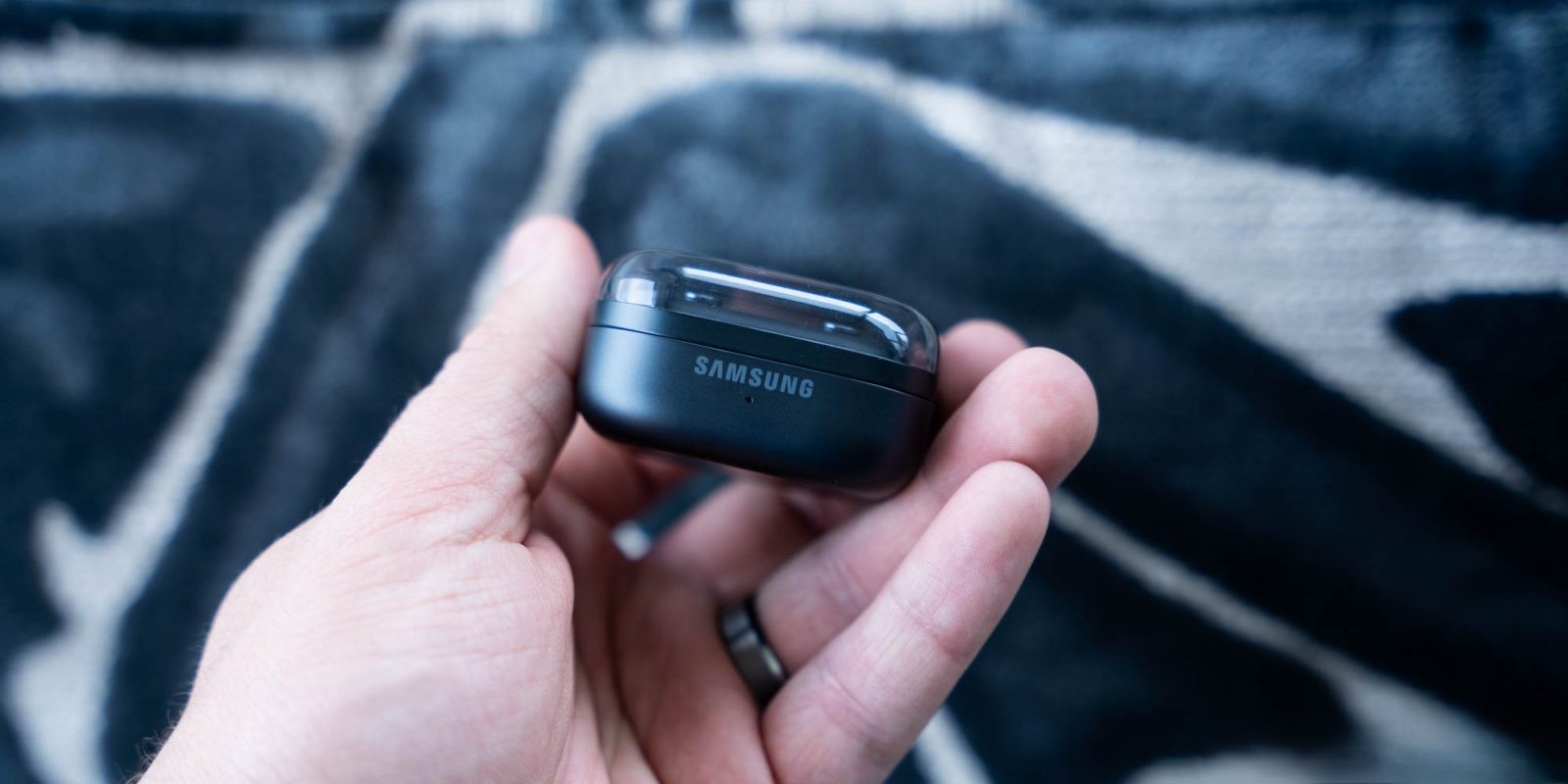
Samsung’s Upcoming Galaxy Buds Able: A Leap into Open-Ear Audio Design
Samsung is poised to redefine the wireless earbud experience with its forthcoming Galaxy Buds Able, which are anticipated to feature an innovative open-ear design. This development marks a significant departure from the company’s previous in-ear models, signaling a fresh approach to personal audio technology.
Unveiling the Design
Recent discoveries by tech enthusiasts at SammyGuru have unearthed an icon within Samsung’s One UI firmware, offering a glimpse into the design of the Galaxy Buds Able. Unlike the traditional in-ear configurations of earlier models, such as the Galaxy Buds 4, the new design showcases a clip mechanism that secures the earbud onto the ear. This setup positions the speaker to direct sound towards the ear canal without obstructing ambient noise, thereby maintaining environmental awareness.
The Open-Ear Concept
The open-ear design is not entirely novel in the audio industry. Companies like Anker’s Soundcore and Bose have previously introduced similar concepts, emphasizing the importance of situational awareness during audio playback. By adopting this design, Samsung appears to be aligning with a growing consumer preference for earbuds that offer a balance between immersive sound and the ability to stay connected with one’s surroundings.
Speculations on Bone Conduction Technology
The emergence of the Galaxy Buds Able coincides with longstanding speculations about Samsung’s interest in bone conduction technology. In March of the previous year, reports suggested that Samsung was exploring the development of bone conduction headphones under the Able moniker. Bone conduction technology transmits sound vibrations directly through the bones of the skull to the inner ear, bypassing the eardrum. This method allows users to perceive audio while remaining acutely aware of external sounds.
However, the design elements revealed in the recent firmware leak suggest that Samsung may have opted for a more conventional open-ear approach rather than integrating bone conduction technology. While the possibility of Samsung releasing bone conduction headphones in the future remains, current software leaks and model numbers indicate a focus on traditional open-ear designs for the Galaxy Buds Able.
Deciphering the Able Nomenclature
The choice of the name Able for this new product line has sparked curiosity and speculation. While Samsung has not provided an official explanation, some industry observers suggest that it could imply able to hear, highlighting the earbuds’ design that allows users to enjoy audio content without losing touch with their environment. Others propose that the name signifies the brand’s commitment to enabling new possibilities in personal audio experiences.
A Shift in Samsung’s Audio Strategy
The introduction of the Galaxy Buds Able represents a strategic shift in Samsung’s approach to personal audio devices. By embracing an open-ear design, the company acknowledges the diverse needs of consumers who seek high-quality audio without compromising their awareness of the world around them. This move also positions Samsung to compete more directly with other brands that have successfully implemented similar designs.
Market Implications and Consumer Expectations
The potential launch of the Galaxy Buds Able could have significant implications for the wireless earbuds market. Consumers are increasingly looking for devices that offer versatility, comfort, and safety, especially in scenarios like outdoor activities or commuting, where being attuned to one’s environment is crucial. Samsung’s foray into open-ear designs could set a new standard and influence future product developments in the industry.
Conclusion
As anticipation builds, the tech community eagerly awaits official announcements from Samsung regarding the Galaxy Buds Able. If the leaked information holds true, these earbuds could mark a pivotal moment in the evolution of personal audio devices, blending innovative design with practical functionality to meet the dynamic needs of modern consumers.