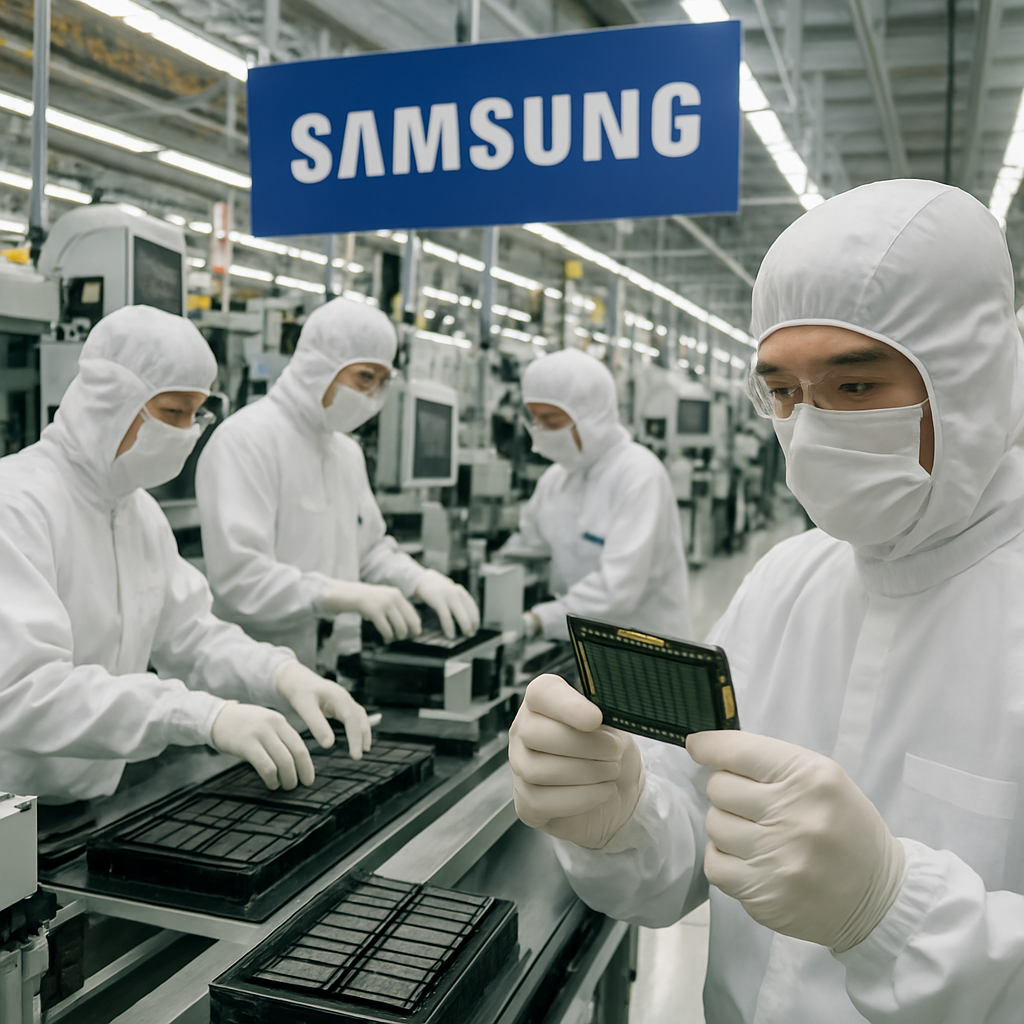
Samsung Electronics has projected that the ongoing shortage of RAM chips will not only persist but intensify through 2027, with supply constraints expected to last until at least 2028. As the world’s leading memory chip manufacturer, producing approximately one-third of global supply, Samsung’s forecast underscores the severity of the situation.
During its Q2 earnings call, Samsung revealed that leading AI laboratories are proactively sharing their medium- to long-term demand forecasts to secure future memory chip supplies. This collaboration allows Samsung to prioritize customers willing to commit to long-term contracts, providing the company with the stability needed to expand production capacity without the typical concerns of fluctuating demand.
The surge in demand, primarily driven by the rapid expansion of AI applications, has led to a significant increase in memory chip prices. While this has resulted in record sales for Samsung’s semiconductor division, it has also adversely affected profitability in its smartphone and television segments due to higher component costs. In response, Samsung has begun passing these increased costs onto consumers by raising prices for its Galaxy smartphones and tablets, which has subsequently led to a decline in demand for these devices.
The memory chip shortage, often referred to as ‘RAMageddon,’ has had widespread implications across the tech industry. Apple, for instance, has raised prices for its MacBooks, Macs, and iPads, and has cautioned investors about a potential slowdown in revenue growth for the upcoming quarter. Similarly, Nvidia is anticipated to increase the prices of its consumer graphics cards by 20% to 30%, which could further elevate the costs of gaming devices, desktop computers, consoles, and laptops.
In response to these challenges, South Korean tech giants, including Samsung and SK Hynix, have committed over $550 billion to alleviate the memory chip shortage. This investment plan includes the construction of new memory fabrication plants and AI data centers, aiming to address the supply-demand imbalance and position South Korea as a dominant player in the AI and semiconductor industries.
As the memory chip shortage continues to impact various sectors, consumers and businesses alike must brace for higher prices and potential delays in product availability. The industry’s substantial investments in expanding production capacity are crucial steps toward mitigating these challenges, but the effects of these efforts may not be fully realized until the end of the decade.