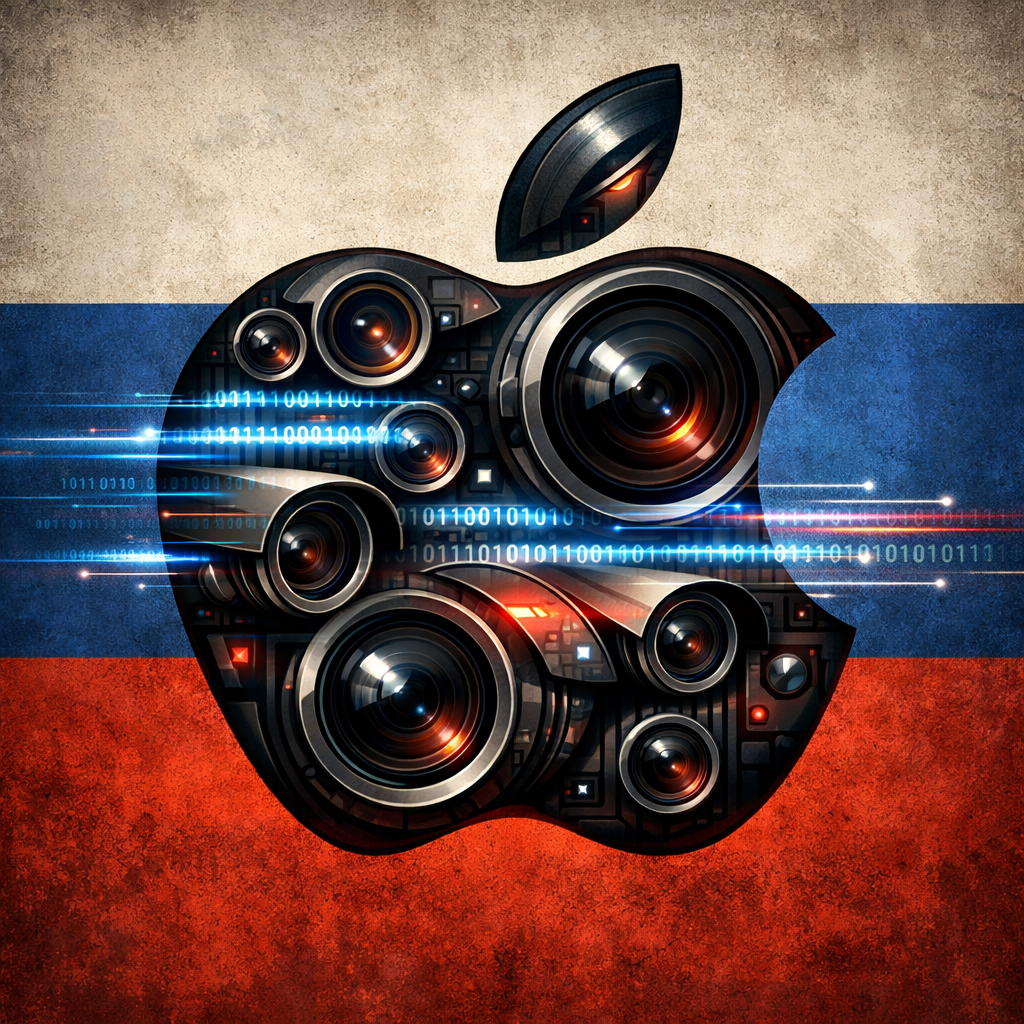
Russia has officially classified Apple as an “organizer of information dissemination,” a status under national law that imposes strict data retention duties and grants authorities broad access to communications data. The designation, enacted by Russia’s communications regulator Roskomnadzor on October 2, requires Apple to preserve messages—including audio and video content—along with user identity information for three years. Non-compliance could lead to heavy fines or even service restrictions.
What the Registry Means
Organizations listed as “organizers of information dissemination” must store both the content and metadata of communications occurring within Russia. That includes correspondence such as texts or chats with audio or video components. Companies need to log who is sending and receiving messages and track their transmission routes nationally. The requirement to retain such data for three years reflects the severity of obligations facing Apple and other listed firms.
Failure to meet these obligations opens the door to significant penalties. Russian authorities could levy fines or take the more drastic step of limiting or blocking services entirely for companies that fall short.
Other Entrants and Context
Apple and Microsoft are newly added to a growing list of services—including WhatsApp, Telegram, and Snapchat—that Russia requires to comply under this regulatory framework. Google and its Meet service were notified earlier, in January.
This move follows Russia’s December 2025 ban on Apple’s FaceTime, allegedly imposed because of concerns that it was being used for terror-related activity, recruitment, and fraud. Already, Russia has placed limitations on WhatsApp and Telegram voice-call features and has blocked Signal and Viber altogether.
Despite suspending its sales operations in Russia in March 2022—ceasing exports, halting Apple Pay, and withdrawing from official sales channels—Apple still faces legal requirements now that it has been officially placed on the surveillance registry.
Why it matters:This registry designation gives Russian authorities sweeping power to demand access to user communications and metadata from Apple. Even if Apple isn’t actively selling products there, its services in Russia will now be subject to intense regulatory scrutiny—raising concerns over privacy, compliance, and cross-border legal conflicts.