A newly identified Android banking trojan, dubbed Rokarolla, is posing a significant threat to users by masquerading as popular applications. This sophisticated malware targets both banking and cryptocurrency platforms, marking a notable escalation in mobile cyber threats.
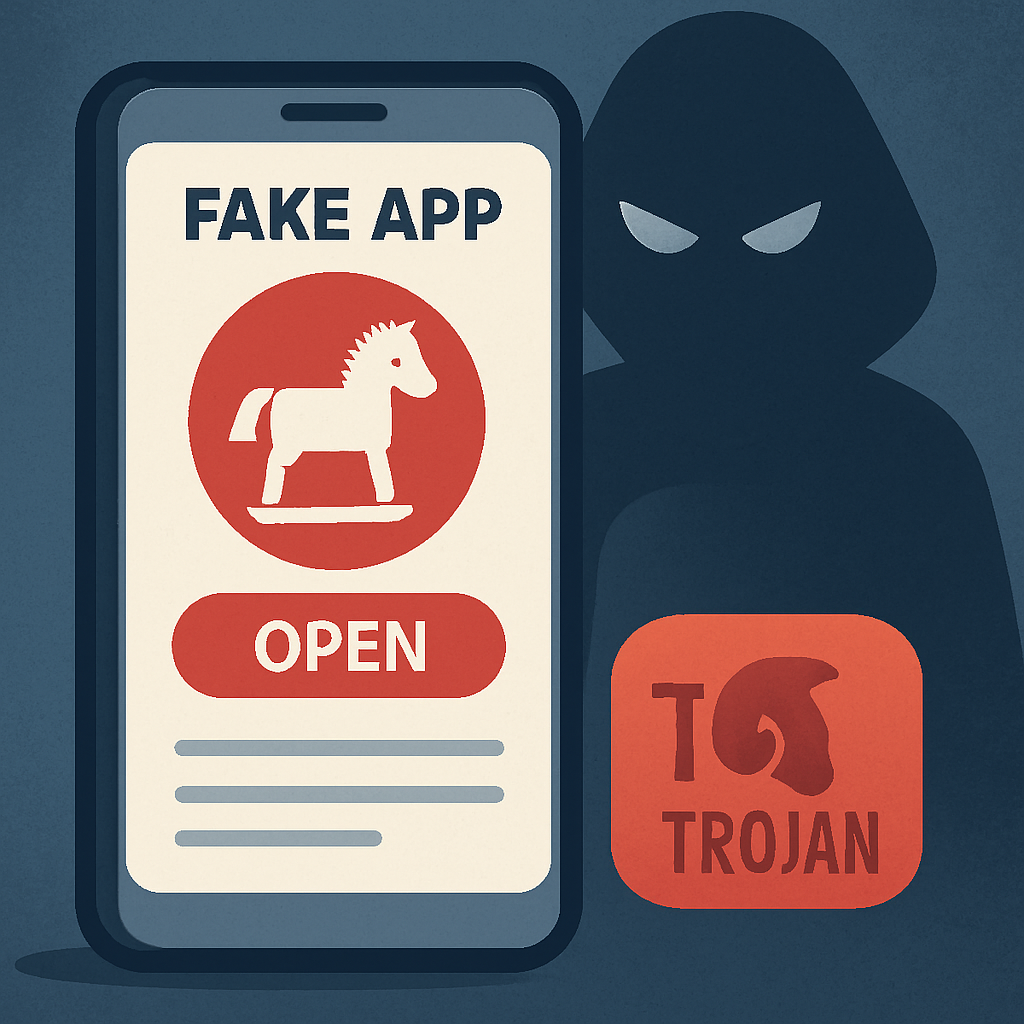
Rokarolla’s distribution method involves deceptive websites that convincingly mimic legitimate software download portals. Unsuspecting users are lured into downloading counterfeit versions of well-known apps such as TikTok, Google Chrome, and even Google Play Protect. Once installed, the trojan discreetly requests extensive system permissions, laying the groundwork for comprehensive data theft and fraudulent activities.
Security researchers have identified that Rokarolla targets at least 217 banking and cryptocurrency applications. The malware is equipped with over 137 operator commands, providing attackers with a versatile toolkit to compromise victim devices. This extensive targeting indicates a financially motivated operation aimed at maximizing fraudulent opportunities.
Beyond credential theft, Rokarolla captures device unlock PINs and passwords, intercepts SMS messages—including one-time passcodes—and blocks fraud alert calls before they reach the user. This multifaceted approach complicates detection and response efforts, often leaving victims unaware of the compromise until significant financial damage has occurred.
The trojan’s resilience is further demonstrated by its use of multiple fallback command-and-control domains. This design ensures the malware’s operation continues even if one server is taken down. Additionally, Rokarolla can dynamically update its configurations from attacker-controlled infrastructure, keeping its phishing content and target list current and effective.
Phishing Overlays and Accessibility Exploitation
One of Rokarolla’s most insidious tactics is the deployment of HTML-based phishing overlays that appear directly over legitimate banking and cryptocurrency applications. When a user launches a targeted app, the malware instantly displays a counterfeit login screen that closely resembles the authentic one. This deception leads users to unwittingly enter their credentials, which are then harvested by the attackers.
Furthermore, Rokarolla exploits Android’s Accessibility Services to automate actions, read on-screen content, and interact with apps without user awareness. This capability allows the trojan to log keystrokes, extract on-screen text, and gather contact information from messaging apps like WhatsApp. It also monitors clipboard activity, enabling it to replace copied cryptocurrency wallet addresses with those controlled by the attacker, thereby redirecting funds during transactions.
SMS Interception and Device Surveillance
Rokarolla’s ability to intercept SMS messages in real-time is particularly concerning. By capturing one-time passcodes and other sensitive information, the malware can bypass two-factor authentication measures, granting attackers unauthorized access to financial accounts. Additionally, the trojan’s surveillance capabilities extend to monitoring device activity, further compromising user privacy and security.
The emergence of Rokarolla underscores the evolving sophistication of mobile malware threats. Users are advised to exercise caution when downloading applications, ensuring they originate from official and trusted sources. Regularly updating device software and being vigilant about app permissions can also help mitigate the risk of infection. As cybercriminals continue to refine their tactics, staying informed and adopting proactive security measures is essential to protect personal and financial information.