A newly identified Android banking trojan, dubbed Rokarolla, has emerged as a significant threat to mobile device security. This sophisticated malware is designed to gain full control over infected devices while remaining undetected by users. Notably, it targets over 217 banking and cryptocurrency applications, posing a substantial risk to financial data.
Rokarolla propagates through deceptive websites that lure users into downloading seemingly legitimate applications. By masquerading as popular apps like TikTok or Google Chrome, the malware increases the likelihood of installation by unsuspecting individuals. Upon installation, a dropper component discreetly deploys the primary malicious payload in the background, initiating the infection process.
Security researchers at Zimperium’s zLabs team conducted an in-depth analysis of Rokarolla, uncovering its extensive capabilities. The malware executes 137 distinct commands to perform various malicious activities on compromised devices. These include capturing lock screen PINs and passwords through fraudulent overlays, intercepting SMS messages, and logging keystrokes. The harvested data is then transmitted to attacker-controlled servers without the victim’s knowledge.
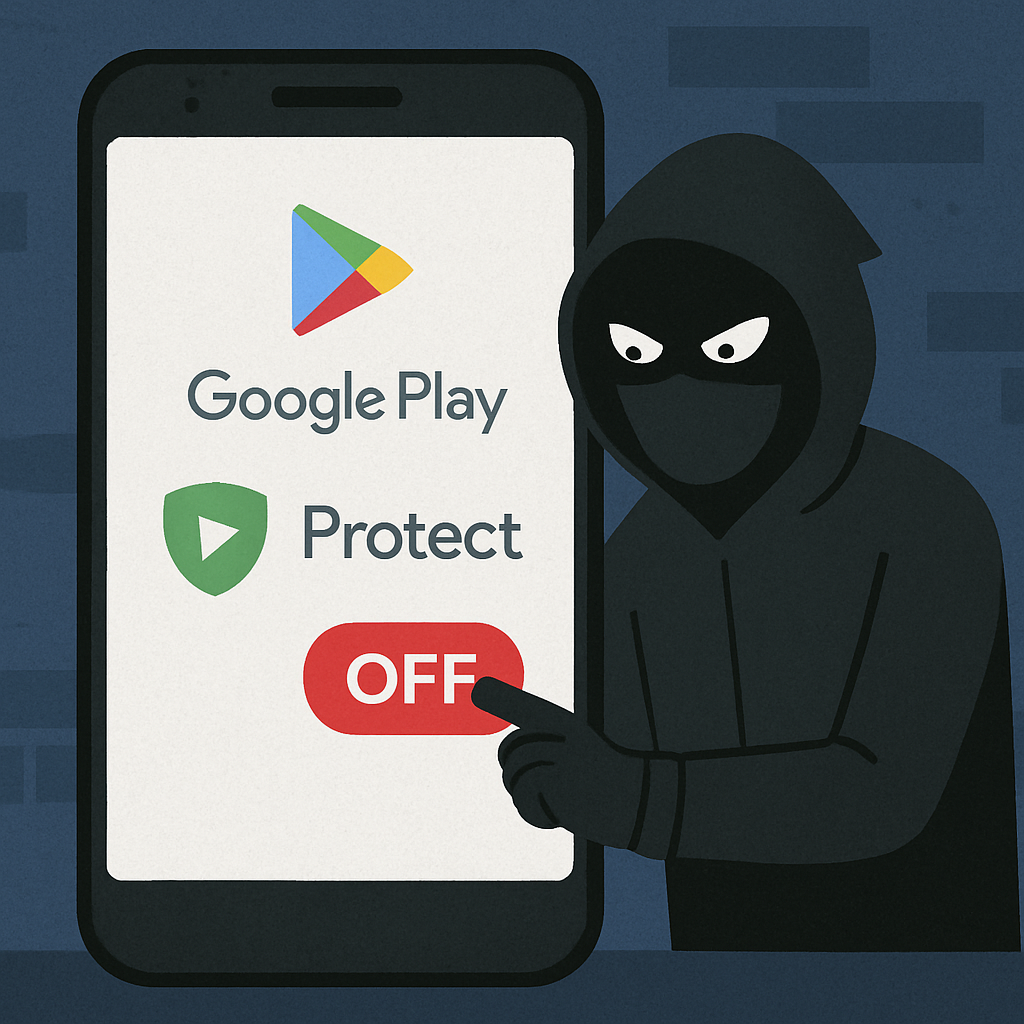
One of Rokarolla’s most concerning features is its ability to disable Android’s built-in security mechanisms. It employs specific commands such as disable_google_play and protectorgoogle_disable to deactivate Google Play Protect, effectively leaving the device vulnerable to further exploitation. This deliberate neutralization of security defenses allows the malware to operate unimpeded.
Furthermore, Rokarolla exploits Android’s Accessibility Services—a feature intended to assist users with disabilities—to interact with the device’s interface on behalf of the attacker. By mapping out user interface elements and monitoring active applications, the malware can overlay fake login pages atop legitimate banking apps to harvest credentials. Consequently, users may unknowingly provide sensitive information directly to cybercriminals.
In addition to its data theft capabilities, Rokarolla employs various techniques to conceal its presence. It hides its application icon from the device’s app drawer, mutes sounds and vibrations to suppress bank alert notifications, and forces the screen to remain active to prevent interruption of its automated tasks. These measures collectively enhance the malware’s stealth and persistence on infected devices.
The emergence of Rokarolla underscores the evolving sophistication of mobile malware and the critical importance of maintaining robust security practices. Users are advised to exercise caution when downloading applications, especially from unofficial sources, and to regularly update their devices to mitigate potential vulnerabilities. Additionally, enabling and maintaining security features like Google Play Protect can provide an essential layer of defense against such threats.
As mobile devices continue to play a central role in personal and financial activities, the development of advanced malware like Rokarolla highlights the need for ongoing vigilance and proactive security measures. Staying informed about emerging threats and adopting comprehensive security strategies are essential steps in safeguarding sensitive information against increasingly sophisticated cyberattacks.