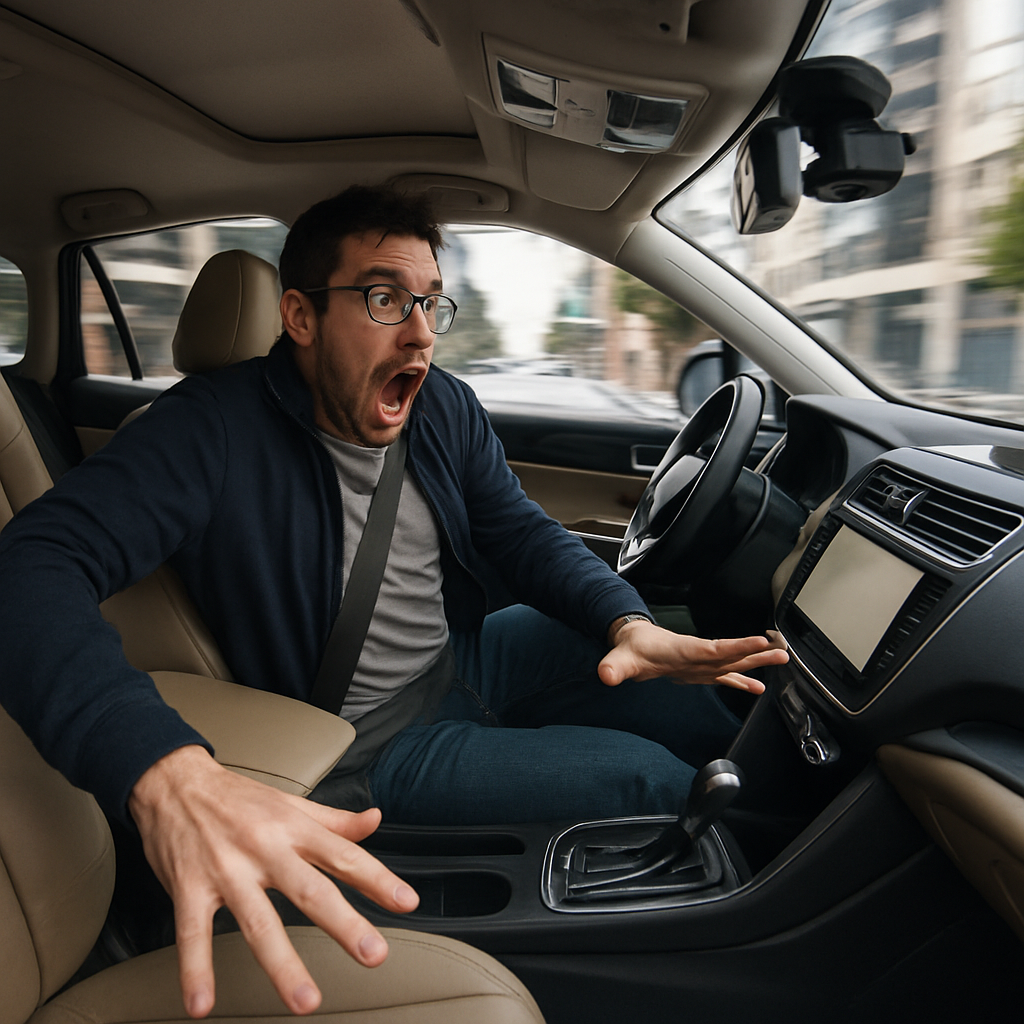
As the autonomous vehicle industry races ahead, its test drivers are quietly paying a heavy price. A data review submitted to OSHA reveals that workers testing robotaxi systems for Waymo and Zoox suffered more than two dozen injuries during 2024–2025 due to sudden or hard braking and other abrupt movements. Some of those injured were unable to work for weeks or even months. Harsh braking events—sometimes for reasons like debris detection or internal system shutdowns—were frequently cited. In several cases, no external factor could explain the sudden stop.
The bulk of reported injuries came from test drivers working under Transdev for Waymo: 16 incidents in 2024 alone in cities including San Francisco, Los Angeles, and Phoenix. Among those, one incident involved hard braking; others stemmed from erratic vehicle behavior. The following year, injuries in these markets climbed to 11, nearly all linked to hard braking. One striking case in Phoenix saw a test driver out for 157 days after a vehicle braked sharply without any visible obstacle—even getting rear-ended in some cases.
Zoox’s contractors also reported multiple instances of sudden braking or “brake jabs,” including episodes after a recall was issued to address unexpected braking behavior. In one San Francisco incident, a Zoox-modified SUV braked so abruptly that a contractor’s upper arm and shoulder were injured, sidelining them for over two weeks. Another injury in Las Vegas involved severe back pain that required over a month off duty. Operations at Zoox test fleets continue to be cited for unpredictable braking events, particularly when internal systems are triggered to shut down (“nogo” events), even though most commercial robotaxi designs no longer include traditional controls like steering wheels.
Notably, companies outside Waymo and Zoox are largely missing from the dataset. This may stem from regulatory loopholes: OSHA mandates injury reporting for high-hazard industries like taxi and transit services when the employer has 100 or more workers. If a company classifies itself differently or operates on a smaller scale, similar injuries may never surface publicly. As of this writing, no new injury data for 2026 has been reported for Waymo or Transdev.
Both companies have acknowledged the risks and emphasized safety in their operations. Waymo points out that many of its vehicle hours are spent validating systems under human supervision. Zoox has stated that hard braking incidents are infrequent relative to its vehicle mileage and that some injuries followed a recall intended to address unexpected braking. Still, contractors maintain that hard-braking behavior persists—even after software changes—raising concerns over both software robustness and vehicle dynamics when the autonomy stack makes abrupt maneuver decisions.
Underlying Factors and Gaps in the Record
The injuries stem from a combination of software decisions, sensor misreads, and threshold logic in AV systems. “Brake jabs,” or unexpected braking for false positives like perceived debris, feature prominently. Internal shutdowns—labeled “nogo” events—can trigger abrupt vehicle responses, exposing drivers to dangerous forces in traffic. Higher speeds exacerbate the physical impact, leaving some unable to return to duty for extended periods.
The record is likely incomplete. OSHA’s reporting thresholds and industry categorization leave gaps. Robotaxi operators that do not classify as taxis—or have fewer than 100 qualifying employees—can avoid full public reporting. Purpose-built robotaxi designs with no driver or control systems may further skirt traditional reporting mechanisms, even if passengers or bystanders experience harm.
The rise in injuries coincides with Waymo’s rapid fleet expansion: by mid-2025, its robotaxi service had grown to over 1,500 vehicles; by year’s end, that count had more than doubled. Physical toll on human operators has surged alongside operational scale. Zoox, meanwhile, has begun commercial robotaxi service in Las Vegas while testing in multiple other major U.S. cities.
This issue isn’t just about broken bodies—it’s about broken expectations. The promise of robotaxis has long hinged on safer roads and fewer accidents. That framing matters for regulation, funding, and public trust. But if workers inside the test fleet continue to face injuries, that could signal deeper flaws in autonomy maturity.
As the robotaxi marketplace accelerates toward broad commercialization, AV companies will increasingly need to address these human costs—not just in PR statements or compliance filings, but in engineering and system design. Regulators may also need to tighten reporting requirements to ensure that every incident—no matter how small—becomes visible. The path toward safer homes, streets, and skies depends on it.