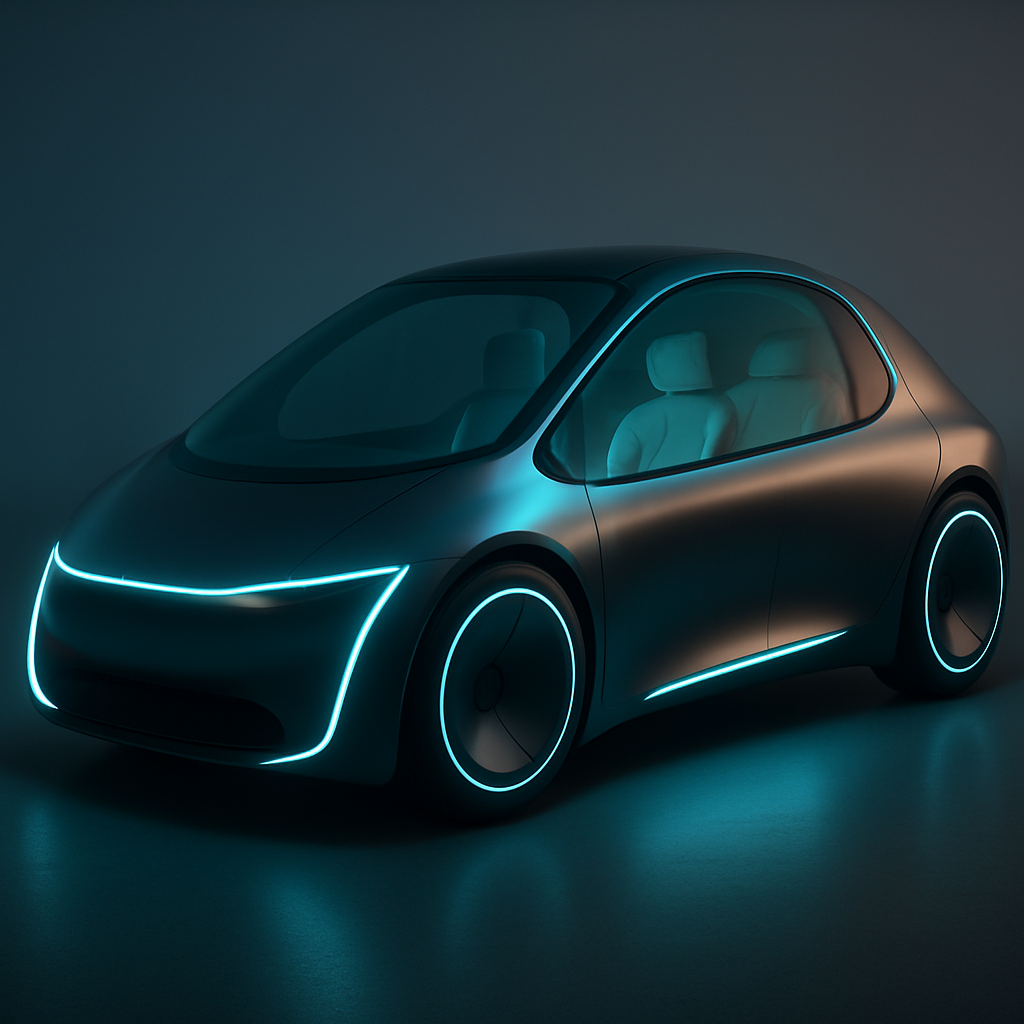
Rivian is placing big bets on autonomous vehicle (AV) technology — so much so that CEO RJ Scaringe believes it will pave the way for vehicles that look nothing like today’s trucks or SUVs. At TechCrunch Disrupt, Scaringe emphasized that autonomy won’t just change how cars are driven; it will transform what cars can be.
Beyond Trucks: Rethinking Vehicle Form Factors
While Rivian currently builds rugged, outdoors-oriented vehicles like the R1, the company is already planning for a future where its EVs are autonomous and highly distinctive in design. According to Scaringe, moving past models like R2 and R3 opens up possibilities to pursue entirely new form factors. He argues that autonomous tech combined with the streamlined nature of electric drivetrains can lead to dramatically different designs and ownership experiences.
Rivian isn’t alone in envisioning this shift. Automakers and autonomy pioneers have long toyed with bold concepts—everything from pod-like cabins to vehicles with legs. But few of those visions ever progressed beyond concept arts. The promise of futuristic rides was often overshadowed by the technical, regulatory, and manufacturing challenges that come with AV development—and the slow pace of progress.
Stages Toward Autonomy and Scale
Scaringe says Rivian has made concrete progress. The company rolled out its driver-assistance suite with hands-off driving (but still under supervision). By the end of the year, Rivian plans to launch “point-to-point navigation,” a feature to let its system drive the full route without driver input, though still supervised. Full autonomy—namely deployment of robotaxis—remains a longer-term goal, including integrating with ride-hailing platforms.
On the financial front, pursuing autonomy has required tough decisions. Scaringe acknowledges Rivian is willing to delay profitability so it can fund investments in both hardware and software. Success with the R2 SUV is viewed as crucial—not just for Rivian’s bottom line, but as a stepping stone toward scaling autonomy across its lineup.
The Role of Personally Owned AVs
While robotaxis get a lot of attention, Scaringe is betting the bulk of future driving miles will still be logged in personally owned vehicles. He estimates that around 95% of U.S. vehicle miles aren’t part of ride-share or robotaxi services—something that may dip but will remain dominant even with Level 4 autonomy. For Rivian, this means designing AVs that feel personal, familiar, but also futuristic.
He teased the existence of a future model, “R4,” which hasn’t been revealed yet but is expected to embody these next-gen design principles. Details remain under wraps, but Rivian clearly intends to push boundaries.
All told, Rivian’s vision rests on autonomy not as a feature, but as a design foundation—and the company seems ready to alter its product roadmap to match.
Why this matters: Rivian’s public embrace of radical design shifts signals a broader trend in the EV industry. As autonomy, cheaper batteries, and improved software mature, automakers will increasingly see EV platforms not just as existing chassis to electrify, but blank canvases for innovation. What to watch: Can Rivian execute the engineering and regulatory hurdles to ship Level 4-capable vehicles? And will consumers embrace designs that abandon traditional forms in favor of new mobility paradigms?