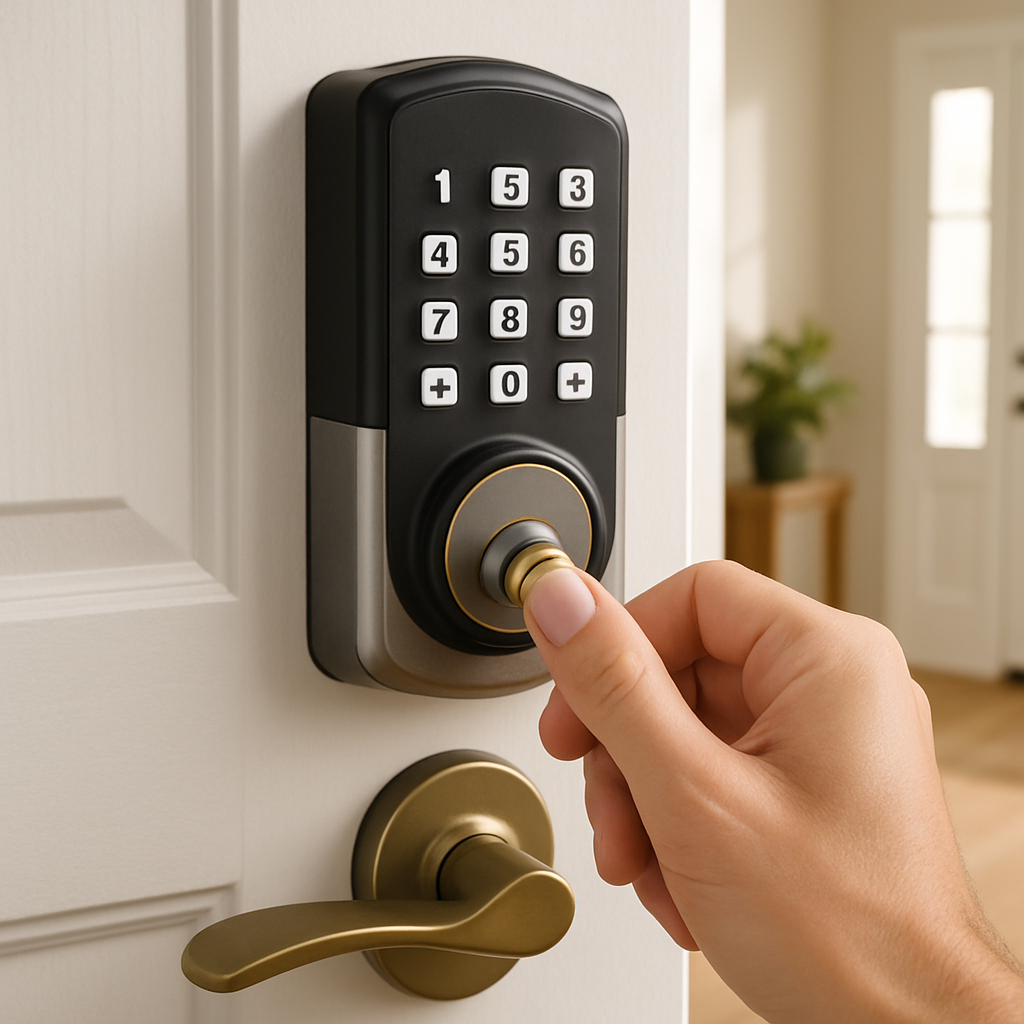
Amazon-owned Ring is stepping into the smart lock arena with a debut model designed to solve a common concern: being locked out when the battery dies. Its new lock includes a “power dial”—a manual crank mechanism that gives just enough juice to unlock the door in emergency situations. Once inside, users can remove a rechargeable battery pack to refill via conventional charging methods.
This hand-crank option was inspired by Ring’s founder Jamie Siminoff’s own experience: owning a seldom-used vacation property and worrying about forgotten batteries leaving guests stranded outside. The goal is to build certainty into smart homes by removing reliance on power availability.
Features & Specs
The lock is built around a standard single-cylinder deadbolt so it fits most existing door setups. It delivers about one year of battery life under regular usage, with alerts in the Ring app prompting recharges well in advance. Four distinct access modes are provided: a fingerprint scanner; a backlit touchscreen keypad; the Ring mobile app; or integration with Alexa voice controls.
Ring also plans for future flexibility. Users will be able to grant timed access—ideal for housekeepers or dog walkers—and third-party developers may eventually build specialized add-ons. This could suit use cases like rentals where changing access codes frequently is necessary.
Availability & Designs
The smart lock is scheduled to hit U.S. stores in the first quarter of 2027, following FCC certification. It will come in three finishes—black, silver, and brass—to suit different home aesthetics.
Alongside the lock, Ring revealed new camera additions: four 4K models including Outdoor Cam 4K Plus, Spotlight Cam 4K Plus, Floodlight Cam 4K Plus, and a pan-tilt Indoor Cam 4K.
Ring argues that while many current smart locks offer backups when power runs out (like physical keys), those solutions are often awkward or less secure. This hand-crank design aims to bridge usability and security.
Analytical Angle: Ring’s smart lock arrives at a moment when smart home trust hinges on reliability as much as features. The manual crank is a small but significant safeguard against power failure anxiety. What’s worth watching is how durable this mechanical component proves, how seamless the integration with Ring’s ecosystem becomes, and whether the $/cost trade-offs of added complexity alienate or attract consumers. Ultimately, this could shift expectations for what “smart” really means in home security—reliable backups may soon become table stakes rather than afterthoughts.