Fal, a San Francisco startup that powers AI inference—running already trained models for video, image, and audio outputs—has just doubled its valuation to $16 billion after securing a hefty $1.3 billion in a fresh fundraising round. Investors including Bessemer Venture Partners, Nvidia, Sound Ventures, and T. Rowe Price led the latest funding push spearheading this move. Earlier in the year, in April, Fal was valued at about $8 billion.
This latest financing represents part of a combined $1.65 billion Fal raised across its Series E and F rounds, with Sequoia backing the earlier tranche. The surge in valuation aligns with a sharp uptick in demand for inference services, especially from companies leveraging open-source AI models. Revenue at Fal has been growing rapidly: its businesses have pushed past $800 million in annualized revenue earlier this year.
Why the Surge & What’s at Stake
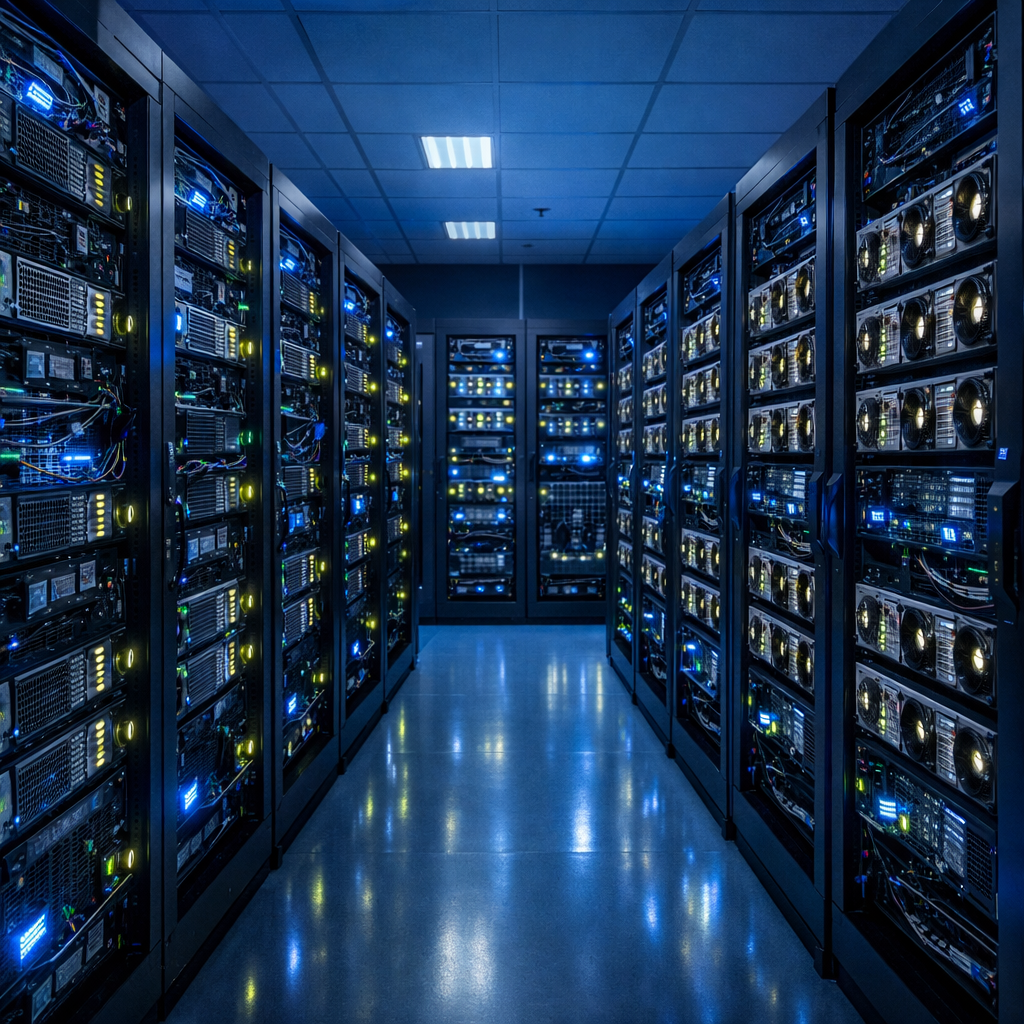
Fal isn’t alone. Other players in the inference infrastructure space—such as Baseten, Fireworks AI, and Modal—are also scaling fast and fetching high valuations. But there’s a catch: the cost of compute, whether owned or rented, weighs heavily on margins. The high expense of GPUs, specialized hardware, electricity, cooling, etc., squeezes profitability even as revenue climbs.
Founded in 2021 by Burkay Gur (formerly of Coinbase and Oracle) and Gorkem Yurtseven (with previous stints at Amazon), Fal has quickly positioned itself as a leading provider for enterprises needing inference capabilities without managing all of the backend complexity themselves.
Implications for Infrastructure & AI Growth
The spotlight on inference reflects a broader shift in enterprise AI: training models remains essential, but using them at scale—i.e. inference—is where many companies see immediate value. Fal’s leap in valuation demonstrates how investors are now placing serious bets not just on model creation but also on efficient deployment and throughput.
Still, as demand grows, so does pressure. Scaling infrastructure to handle heavy inference loads—across video, image, and audio—requires continual investment. Companies will need to optimize costs, innovate on hardware, and possibly find ways to differentiate on latency, reliability, or specialized model support. The next battleground may not just be who can train the smartest models—but who can run them most effectively.
What this means: Fal’s rise signals that the AI infrastructure layer—particularly inference—is entering a new maturity phase. Margins are thin, competition intense, and technological demands steep. The winners will be those able to balance massive demand with operational efficiency and hardware innovation. Keep an eye on how Fal scales, and how its peers respond to these evolving pressures.