In 2020, Google found itself in a tight spot. The company had to navigate a tumultuous flagship release amid a global pandemic, massive supply chain issues, and a shift in strategy that left the future of Pixel’s hardware murky. Yet, despite all that, one of its most polarizing phones—the Pixel 5—ended up aging far better than many give it credit for.
What Made the Pixel 5 a Compromise
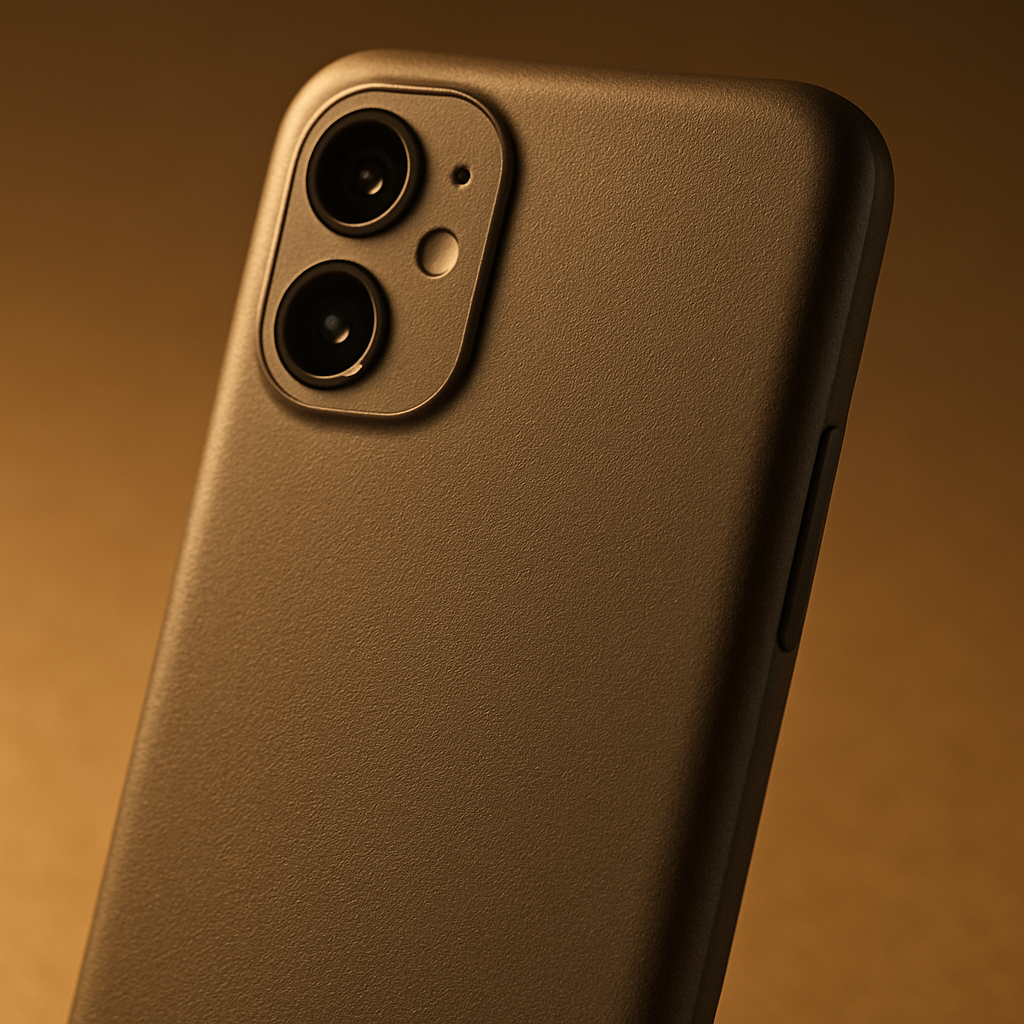
At the time of launch, the Pixel 5 seemed like a strange hybrid. It dropped premium materials like glass and metal, opting instead for a plastic “bio-resin” body. Under the hood, it didn’t match the raw power of its predecessors or competitors. Component shortages and internal uncertainty around feature rollouts meant Google scaled back ambitious plans—especially in areas like flagship-tier chipsets. The Pixel 5 was born from necessity rather than design purity.
Still, the phone did a lot of things right. It restored the fingerprint sensor after the Pixel 4’s controversial departure from it, gave users significantly more battery life, and returned to more traditional design cues. Compared with its direct predecessor, it focused more on essentials rather than pushing every boundary.
Why It Holds Up Today
Three years later, the Pixel 5’s choices look less like compromises and more like forward thinking. While most phones now hide behind fragile glass and slippery metal, its bio-resin shell offered grip, durability, and a tactile feel that many premium devices have long abandoned. In an era where glass backs shatter and metal frames feel cold, the Pixel 5 stands out.
It didn’t get the latest Tensor chip, but given what went on behind the scenes—rumors suggest Google initially considered debuting Tensor with the Pixel 5 before pushing it back—it still delivered a balance of performance, durability, and polish. The phone’s shift back to fingerprint input and bigger battery capacity resolved issues that hampered its predecessor.
Looking back, it’s clear that Pixel 5 wasn’t perfect—but it managed to solve several of Pixel 4’s most persistent flaws while sidestepping some of 2020’s larger disruptions. At a distance, the phone looks less like a transition device and more like a pragmatic success.
As our smartphones continue to grow in both cost and complexity, the Pixel 5 is a reminder that solidity, dependability, and user-focused improvements can leave a more lasting impression than chasing every headline feature. What today’s Pixel lineup keeps or discards may be less about flash and more about this kind of foundational value. Watch how Google takes—or steps away from—these lessons in its next releases.