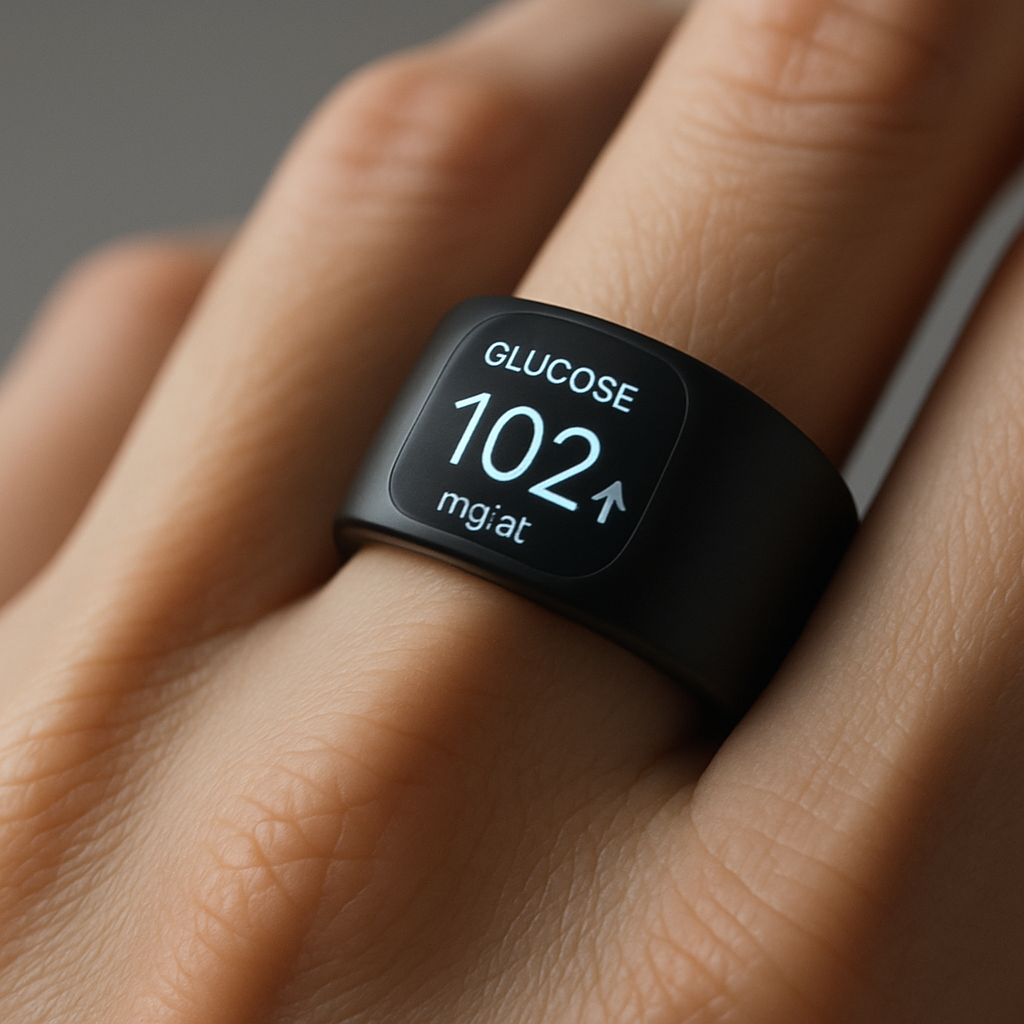
Researchers at the University of California have developed a prototype smart ring capable of non-invasive blood sugar monitoring, marking a significant advancement in wearable health technology. Unlike current devices that rely solely on biophysical data, this innovative ring analyzes chemical biomarkers by extracting sweat from the user’s skin.
Traditional smart rings and wearables, such as the Apple Watch, utilize sensors to collect data on metrics like heart rate, respiratory rate, and sleep cycles. However, the integration of molecular sensors in this new prototype allows for the continuous monitoring of biochemical markers, including glucose, ketones, vitamin C, uric acid, lactate, and alcohol levels. Notably, the device can extract sweat without requiring the user to engage in physical activity.
For individuals managing Type 1 diabetes, the ring’s ability to simultaneously track glucose and ketone levels could enhance insulin dosing strategies. Initial tests have demonstrated that the device’s accuracy is comparable to that of invasive continuous glucose monitors and traditional blood draws.
Currently, the prototype is relatively bulky and offers a battery life of approximately 12 hours. However, future iterations are expected to address these limitations, potentially leading to more compact designs and extended battery performance.
This development represents a significant step toward non-invasive health monitoring solutions. As the technology matures, it could revolutionize the management of chronic conditions like diabetes, offering users a more comfortable and convenient method to monitor vital health metrics without the need for invasive procedures.