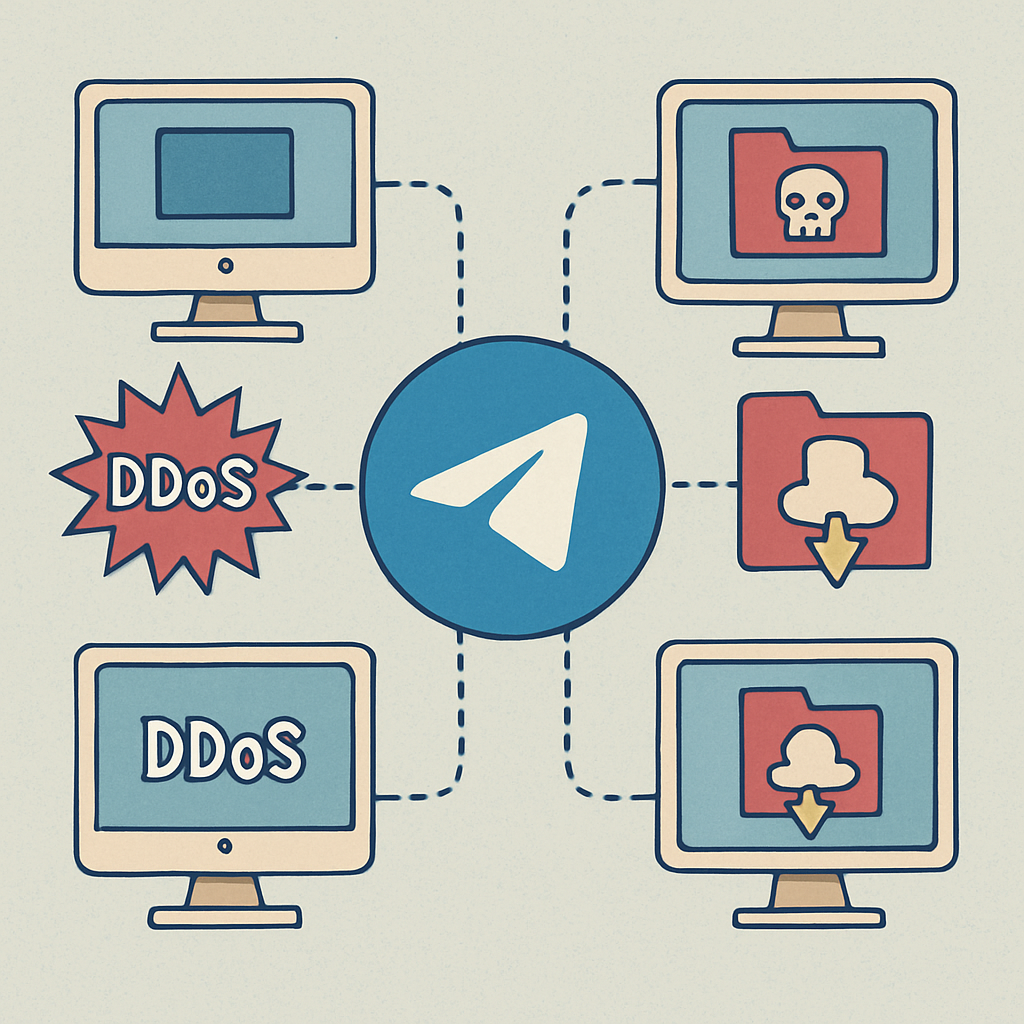
Pro-Iranian hacktivist groups are increasingly utilizing Telegram channels to orchestrate cyber attacks, combining distributed denial-of-service (DDoS) assaults with hack-and-leak operations. These groups employ Telegram to recruit participants, disseminate target lists, and amplify the impact of their activities, creating a dynamic digital front amid escalating regional tensions.
Unlike traditional malware campaigns, this approach emphasizes coordination and visibility. Through Telegram, administrators can swiftly announce targets, provide attack tools, and publicize alleged breaches. This strategy not only disrupts services but also compels victims to verify claims, manage public relations, and safeguard their clientele.
Telegram’s Role in Cyber Coordination
Telegram serves as a cost-effective command center for these networks. Administrators can outline operations, share instructions, post evidence, and redirect followers within minutes. Multiple groups may echo the same messages, creating an illusion of a more extensive and coordinated campaign than may exist.
The DDoS attacks aim to overwhelm websites or services with excessive traffic, causing outages without necessarily breaching the underlying network. The resulting disruptions are then transformed into propaganda through Telegram posts, branded graphics, and claimed successes, extending the impact beyond the initial target.
Hack-and-Leak Tactics
Hack-and-leak operations add layers of uncertainty and reputational damage. Threat actors may release data, credentials, or screenshots; however, public claims do not always confirm the authenticity or novelty of the material. Organizations must promptly assess such evidence, avoid amplifying unverified information, and inform affected parties upon confirming genuine exposure.
Analysts describe this as a decentralized cyber front rather than a uniform actor. This structure allows participants to employ familiar tactics while aligning with a shared political narrative, complicating attribution due to overlapping messages, recycled content, and transient online identities.
For defenders, the challenge extends beyond maintaining website availability. Sudden campaigns can expose dormant vulnerabilities, inspire copycat activities, and create opportunities for phishing or credential theft. Organizations must adopt a comprehensive cybersecurity strategy that includes monitoring for such coordinated attacks, verifying the authenticity of alleged breaches, and implementing robust incident response plans.
The increasing use of Telegram by pro-Iranian hacktivists underscores the evolving nature of cyber threats, where social media platforms become central to the orchestration and amplification of attacks. This trend highlights the need for continuous adaptation in cybersecurity practices to address the multifaceted challenges posed by modern digital warfare.