Enterprise security teams are under pressure as AI tools spread quickly across organizations, often in unplanned and poorly secured ways. Pluto Security has stepped into this breach, raising $42 million to help companies monitor, assess, and secure the AI agents and tools proliferating inside their environments.
Within just hours after a new AI tool launches publicly, employees in many firms have started using it internally. Finance departments lead this trend in introducing so-called vibe-coded apps—low- or no-code tools created by non-developers—followed by teams in marketing and legal. Developers, surprisingly, rank fourth in introducing AI risks. In one case, a finance-built app for managing customer data at a Fortune 500 company was exposed to the internet without proper safeguards.
Pluto’s rise & what it offers
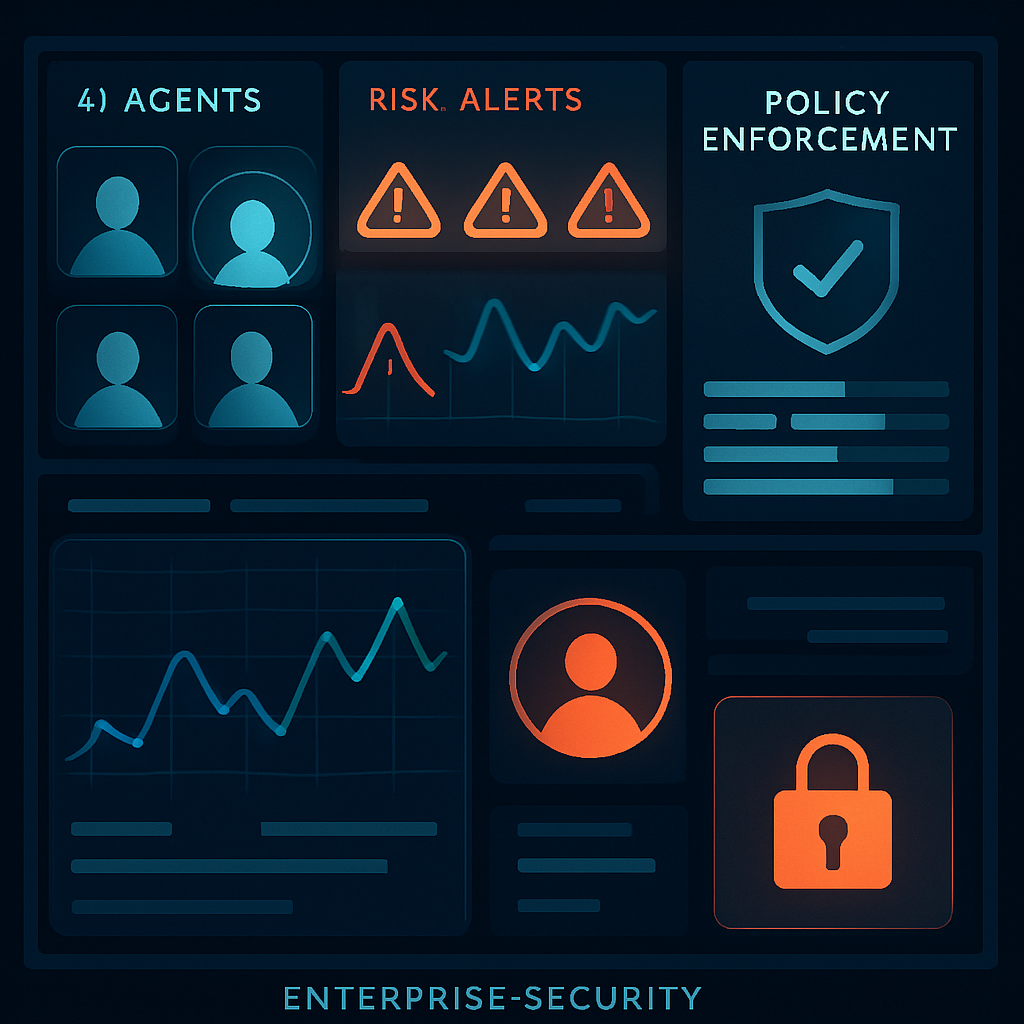
Founded by CEO Shahar Bahat, Pluto Security came out of stealth in 2026 and began commercial operations in April that same year. Its mission: give security teams visibility, context, and control over how employees adopt and use AI tools. Key offerings include detecting risk from AI agents, extensions, servers, connectors, and apps in real time—and enforcing policies even while people continue using or building their own tools.
To evaluate risk, Pluto integrates with endpoint security and device management systems, deploying lightweight models that collect telemetry like executed processes, prompts, permissions, and user history. The system doesn’t just flag issues but can stop or intervene—e.g., prevent an AI agent from escalating its permissions without oversight.
Funding, customers, product strategy
Pluto’s funding comprises an $8.5 million seed round led by TLV Partners with participation from the founders of cybersecurity firm Armis, and a $34 million Series A led by Jump Capital. Other backers include Skinos (co-founded by Check Point pioneer Shlomo Kramer), Ansa Capital, and various angel investors. The funds will support further development of the product, expanding security research, and growing its U.S. footprint. The team has about 40 employees split between the U.S. and Israel.
Despite being quite new, the startup has crossed $2 million in annual recurring revenue and now serves over 30 enterprise customers, among them Oscar Health, Workato, Sixt, and AlphaSense. Pluto also launched a public platform called Plutonium that allows security professionals to assess risk in AI skills, extensions, and connectors—drawing thousands of users and generating a large portion of its inbound sales pipeline.
Pluto’s core idea is shifting from monitoring user behavior to policing agent behavior: what AI agents are built, how they execute, what permissions they seek, and whether they behave in ways the organization intended. That shift underlies Pluto’s real-time monitoring tools and its ability to control, deny, or adjust actions that exceed acceptable risk parameters.
This funding round and early enterprise traction reflect a growing recognition: traditional security tools are not enough to manage the unique risks introduced by AI’s rapid adoption. Companies need tools that understand AI-specific behavior, monitor agents and connectors that are evolving daily, and enforce policies dynamically—even in environments where employees are building, modifying, or deploying AI tools themselves.
So far, Pluto has uncovered real threats—including active attacks during proof-of-concept evaluations—in every organization it’s worked with. The company insists that simply watching what’s happening isn’t sufficient; you need tools that can intervene.
Looking ahead, the startup plans to expand its research footprint, enhance its product capabilities, and deepen its U.S. presence. With its current set of customers and features, Pluto sees an opportunity to build a security framework that keeps pace with AI-driven transformations inside enterprises.
What this means
As AI tools proliferate—especially those created outside engineering divisions—hidden security gaps will multiply. Pluto’s blend of real-time agent monitoring, policy enforcement, and visibility into the component-level risk model may become essential. For security leaders, this raises the stakes: adopting AI tools may bring business benefits, but if you’re not monitoring agent behavior, you may be blindsided. Expect the market to respond with more startups in this vein, and existing security vendors to integrate agent-level protections.