In the latest episode of the Pixelated podcast, hosts break down three significant developments shaking up the tech scene. First up: Google’s new Fitbit Edge fitness tracker, a device designed to sit between the screenless Fitbit Air and the full-featured Pixel Watch 5. Then, a dive into the worsening state of RAM prices. And lastly, a sharp-edged peek inside Apple, trying to make sense of recent chaos there.
Fitbit Edge Brings the Essentials
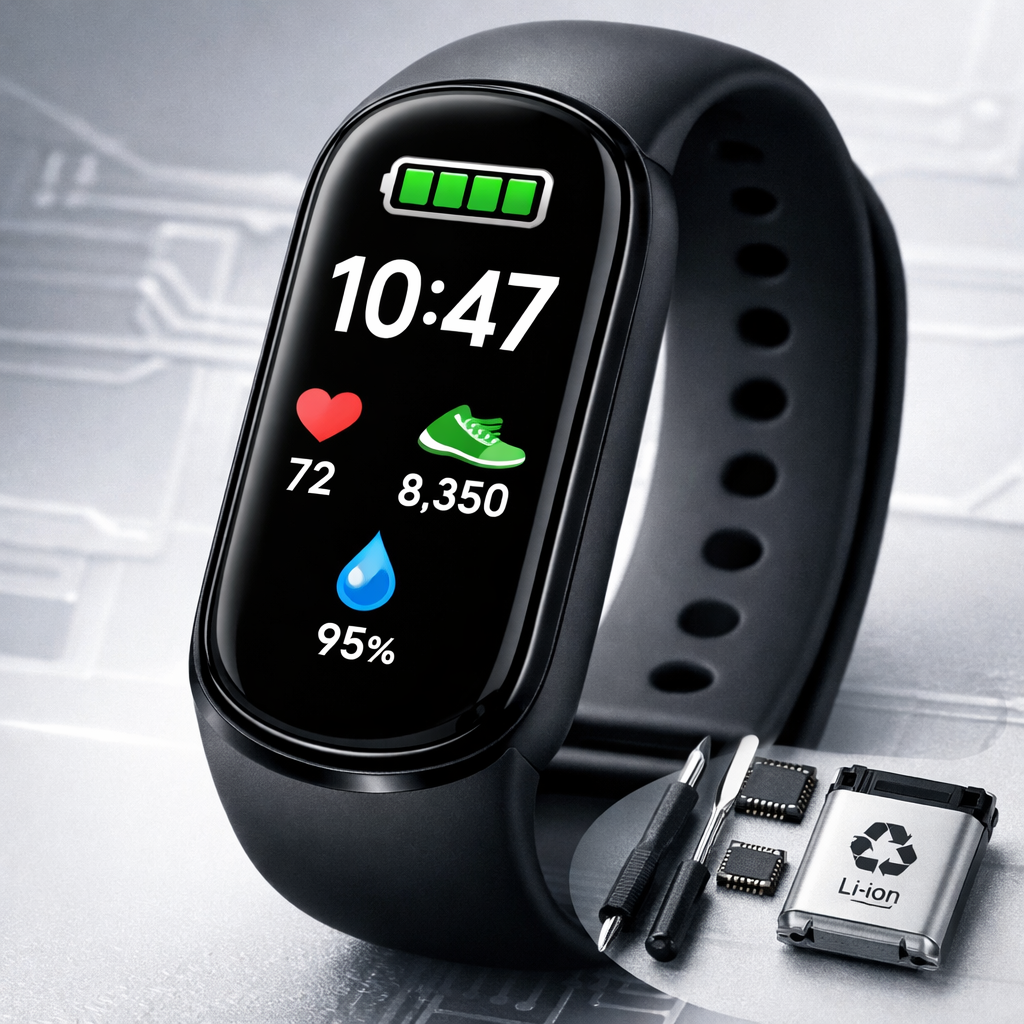
The Fitbit Edge establishes itself as a middle path in Google’s wearable lineup, blending features from both tracker and smartwatch. Taking design cues from the Air and Pixel Watch 5, the Edge includes a 1.34-inch AMOLED screen, built-in GPS, an altimeter, and ECG and SpO2 sensors—all packed into this fitness tracker. It runs Fitbit OS (not Wear OS), supports notifications, and skips things like NFC payments and voice control. Every unit includes three months of Google Health Premium for AI-driven coaching. Preorders opened October 12, 2026, with general availability starting October 27.
Its standout feature is a user-replaceable 65 mAh battery—a rare choice in fitness trackers. Google says this allows owners to extend the device’s lifespan rather than retiring it when the battery degrades. Battery life is rated at up to seven days without the always-on display; with AOD, that drops sharply. The display is claimed to offer about 45-46 percent more visible area than the Charge 6, and adds brightness to visibility. With a physical side button and rounded aluminum build, it’s designed to feel polished yet utilitarian. Pricing starts at $179.99 in the US, with a special edition tied to basketball player Stephen Curry running $40 higher. Multiple band styles—including aluminum, magnetic, and sport variants—round out the visual flexibility.
RAM Prices & Apple’s Inner Turmoil
Hosts express concern over RAM prices continuing their decline. Manufacturing costs are falling, resulting in decreased overall demand, especially as semiconductor firms ride out oversupplied inventory. This drop isn’t just squeezing margins—it’s forcing companies to reconsider pricing and product strategies across PCs, phones, and embedded systems.
Meanwhile, attention turns to Apple, where the podcast hosts sketch a portrait of discord behind the scenes. Rumored internal struggles over project priorities, regulatory scrutiny, and an evolving leadership environment are all factors muddying the company’s public standing. There are whispers of tension between innovation and execution, especially as Apple ventures deeper into AI, mixed reality, and services—plus mounting pressure from competitors.
Ultimately, however, it’s Fitbit’s Edge that frames one of the clearest examples of today’s consumer tech trade-offs: battery life and simplicity versus features and flashy extras. As Google bets on repairability and core health tracking, the rest of the industry may take note: less always does mean sometimes more. And as RAM markets sink and Apple’s under pressure, the theme of value—what people actually want versus what companies want to sell—has never been more central.