Google’s Pixel 11 Pro Fold arrives with modest refinements over its predecessor—lighter frame, stronger materials, and tweaks to display and cameras—rather than bold changes. For fans of the Pixel line, the updates are welcome, but for newcomers to foldables or those chasing the latest innovations from competitors, this model may feel like Google playing catch-up.
Design: Built Tough, Just Not Dramatic
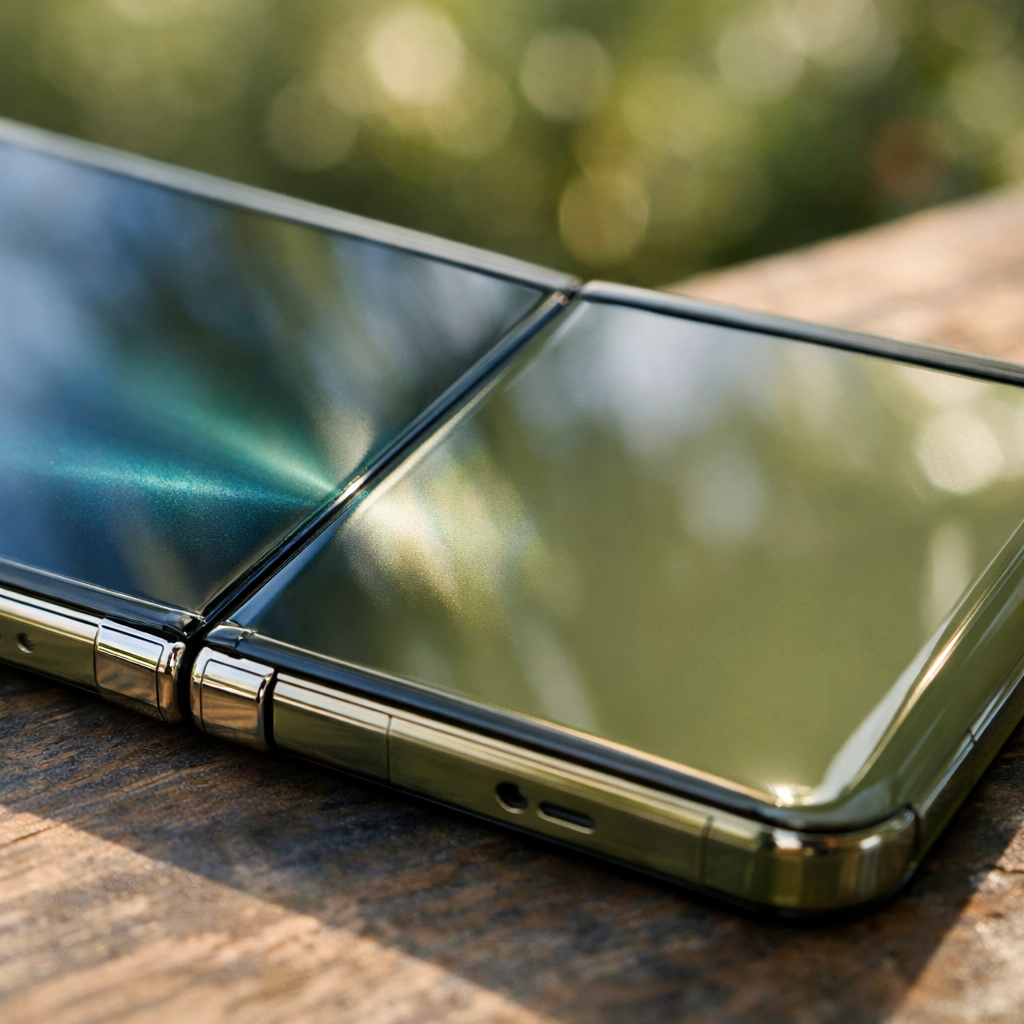
At first glance, the Pixel 11 Pro Fold looks a lot like last year’s version. Unfolded thickness drops slightly to 5.0 mm (from 5.2 mm), folded it’s 10.1 mm (vs. 10.8 mm). Weight is trimmed by 19 grams, making it a little easier to carry—but in day-to-day use, the differences are subtle. Google says durability has been tripled thanks to a new glass-ceramic cover and a glass-fiber composite back. In testing, even drops from tables and pockets left no visible dents or scratches.
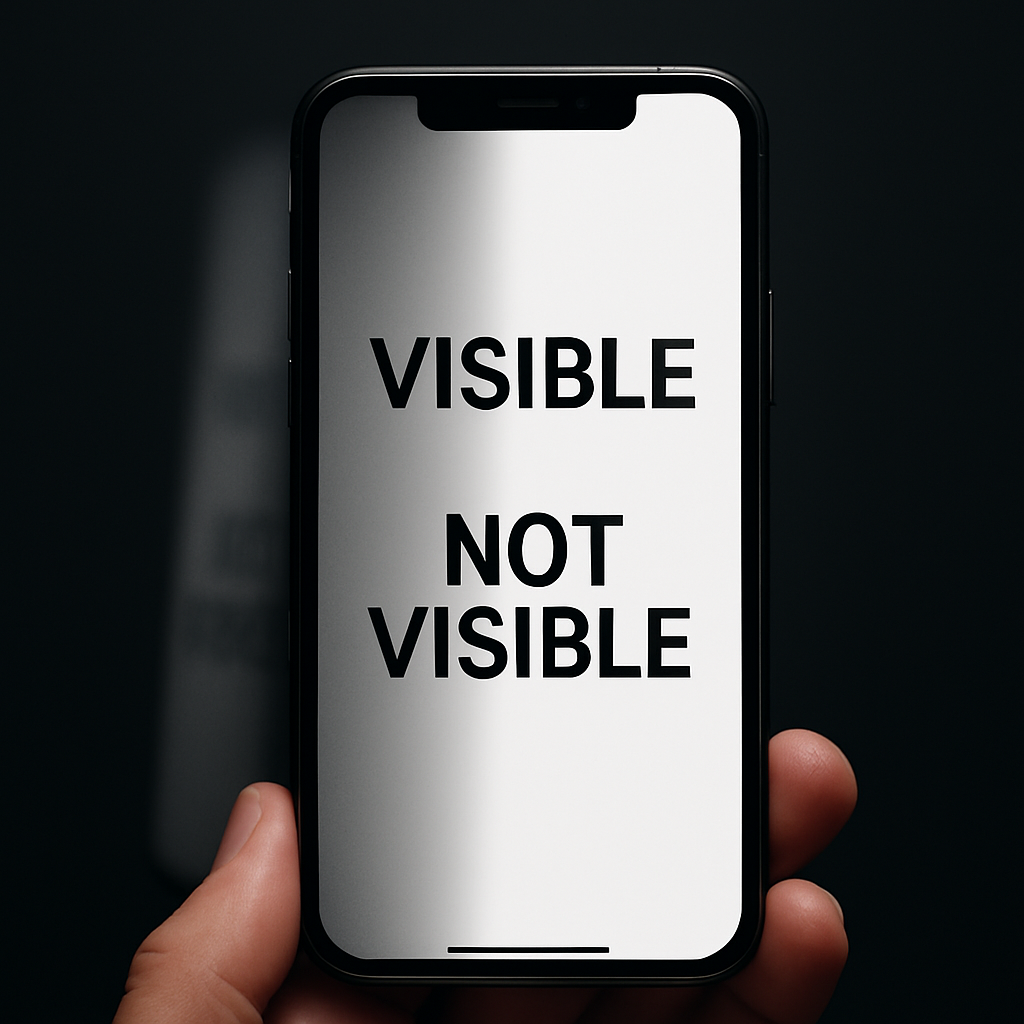
The outer display now peaks at 3,600 nits, a significant boost from the 3,000-nit ceiling before, which helps with visibility in bright settings. Yet the hinge remains stiff, preventing one-hand opening, and the screen still shows a visible crease in strong light—something rivals have improved upon. A new olive color adds a more muted aesthetic to the options.
Software, Multitasking & Productivity
True to foldable form, using the wide internal screen for reading or video delivers benefits, and multitasking with split-screen views helps—especially with apps like Gmail, which supports viewing inbox and message side by side. But many popular apps—Slack among them—still haven’t been fully optimized for the foldable layout, hampering consistency. Floating windows (“bubbles”) and a taskbar let users quickly access secondary apps without switching fully into split view.
AI features are present but dialed back. Newer additions include Magic Cue for context-aware suggestions and “Rambler”—a feature that streamlines responses to messages or notes without needing full keyboard input. These build on previous work but don’t dramatically overhaul the user experience.
Camera: Good, Not Flagship-Good
The main sensor gets refreshed—still 48 MP—but with improved light capture; optical zoom is extended to a 30× Super Res Zoom (up from 20×) for distant shots. Other aspects—the ultrawide and telephoto lenses—remain largely untouched from last year. New software tools like Looks and Magic Capture add more flexibility and improve getting good shots out of video, especially in mixed subject situations.
Price & Positioning
At US$1,899, the Pixel 11 Pro Fold lands near the iPhone Duo (about $100 more expensive) and matches pricing of the Galaxy Z Fold 8. In Europe, pressure from Xiaomi, Honor, and others entering the wide-format foldable space adds to the competitive landscape. For those already in Google’s ecosystem—or seeking a solid foldable wrapper for existing habits—it has appeal; for first-time buyers, its incremental improvements may not justify the cost.
What this signals is that Google’s approach with the Pixel 11 Pro Fold prioritizes refinement over reinvention. The durability and brightness gains are meaningful, especially for outdoor use, but the visible crease, limited app support, and camera compromises keep it from setting new standards. It’s a worthy foldable for fans, but with rivals pushing boundaries, the company may need bolder moves next year to stand apart.