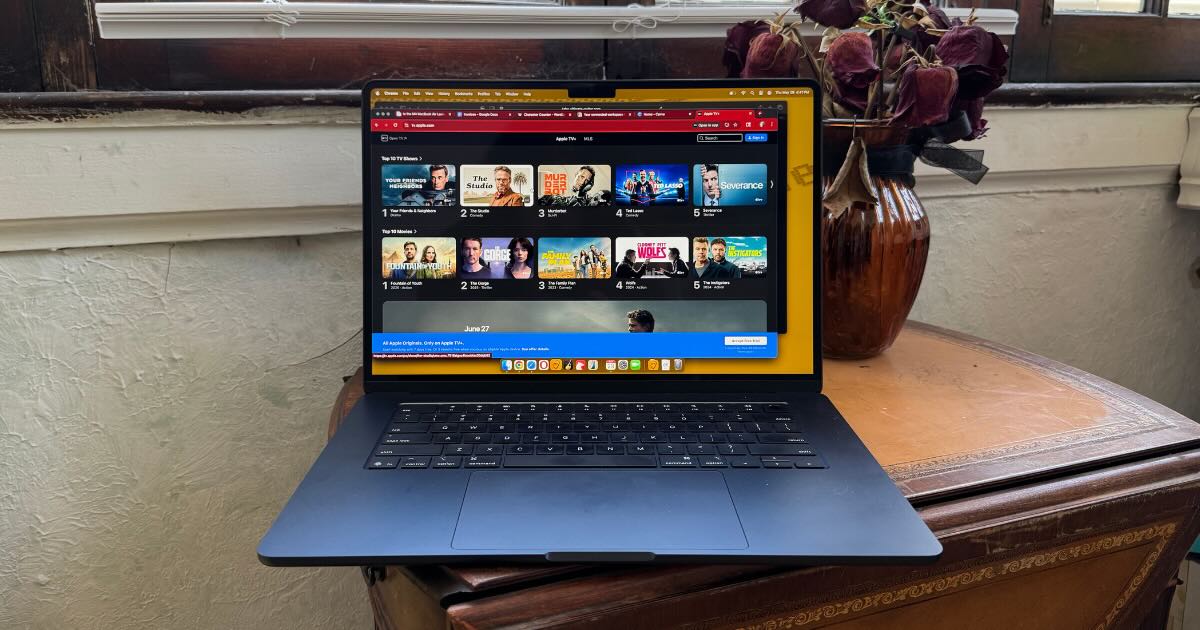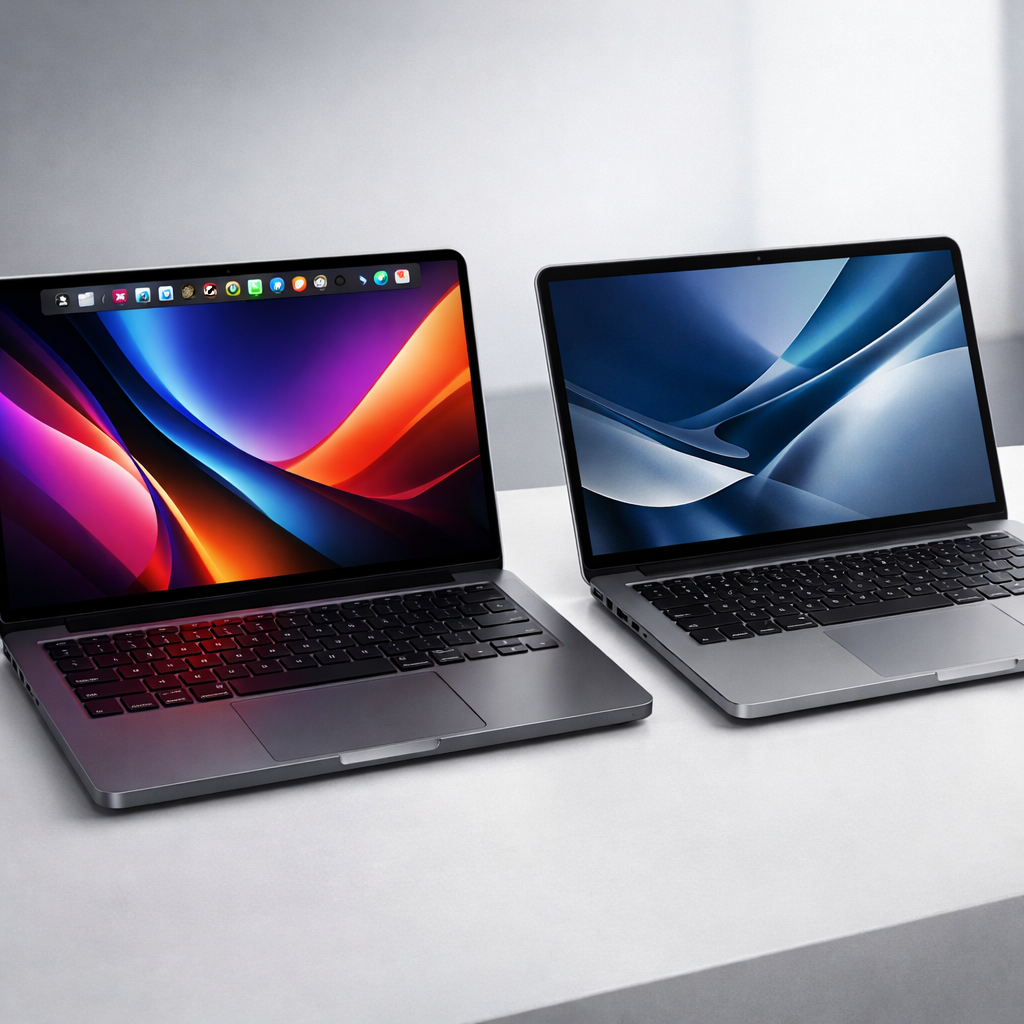
Apple is planning to streamline its MacBook Pro lineup by eliminating non-touchscreen models—except for the base 14-inch version—when it rolls out the next generation of touch-enabled designs in 2027. This change will chiefly affect higher-end 14-inch and all current 16-inch non-touch MacBook Pros, which are expected to be retired. The only non-touch variant remaining will be the standard 14-inch model with the base chip.
Touchscreens become standard on premium Pros
The current high-end 14-inch and 16-inch MacBook Pros already boast PROLED displays with full touchscreen capability. Meanwhile, the entry-level 14-inch model using the M6 chip continues to lack touch functionality. Starting in 2027, when the refreshed models arrive, Apple will introduce new second-generation pros powered by M7 Pro and M7 Max chips, prioritize AI features, and apply a redesigned, lighter chassis to the 14-inch versions—even though the base 14-inch will still be non-touch.
Pricing and value implications
Current pricing for the touch-enabled 14-inch MacBook Pro begins at $2,899, while the 16-inch version starts at $3,399. The base 14-inch MacBook Pro with the M6 chip remains priced around $1,999. Should prices for the new models stay in line with today’s, upgrading from base to touch model in 2027 could cost buyers roughly $900 more.
Why the change now
The transition isn’t unexpected. Apple has often kept older or less advanced models around when newer ones create significant differentiation in features or performance. Now that PROLED touchscreens define the premium MacBook Pro brand, the non-touch versions are being phased out, leaving only the entry-level 14-inch non-touch as a budget-friendly option. Also noteworthy: the latest PROLED XDR models will be available starting November 6 via pre-orders.
This shift to touch and AI-focused chips reflects Apple’s broader push to align its MacBook Pro line with current industry expectations and to better compete in demanding user segments. It suggests a future where touch is no longer optional for premium laptops in Apple’s ecosystem.