As the tech community anticipates the upcoming release of Google’s Pixel 11 series, recent leaks have unveiled a device that, while maintaining the brand’s signature design, introduces only incremental updates. This approach has sparked discussions about the timing and strategy behind the launch.
Historically, Google’s Pixel lineup has experienced a series of highs and lows. The Pixel 8 marked a turning point, garnering positive reception and setting a precedent for subsequent models. However, the Pixel 11 appears to adhere to a philosophy of “if it isn’t broken, don’t fix it,” with the company indicating plans for major design overhauls every two to three generations. This decision suggests that the Pixel 11 will closely resemble its predecessors, potentially leading to perceptions of stagnation.
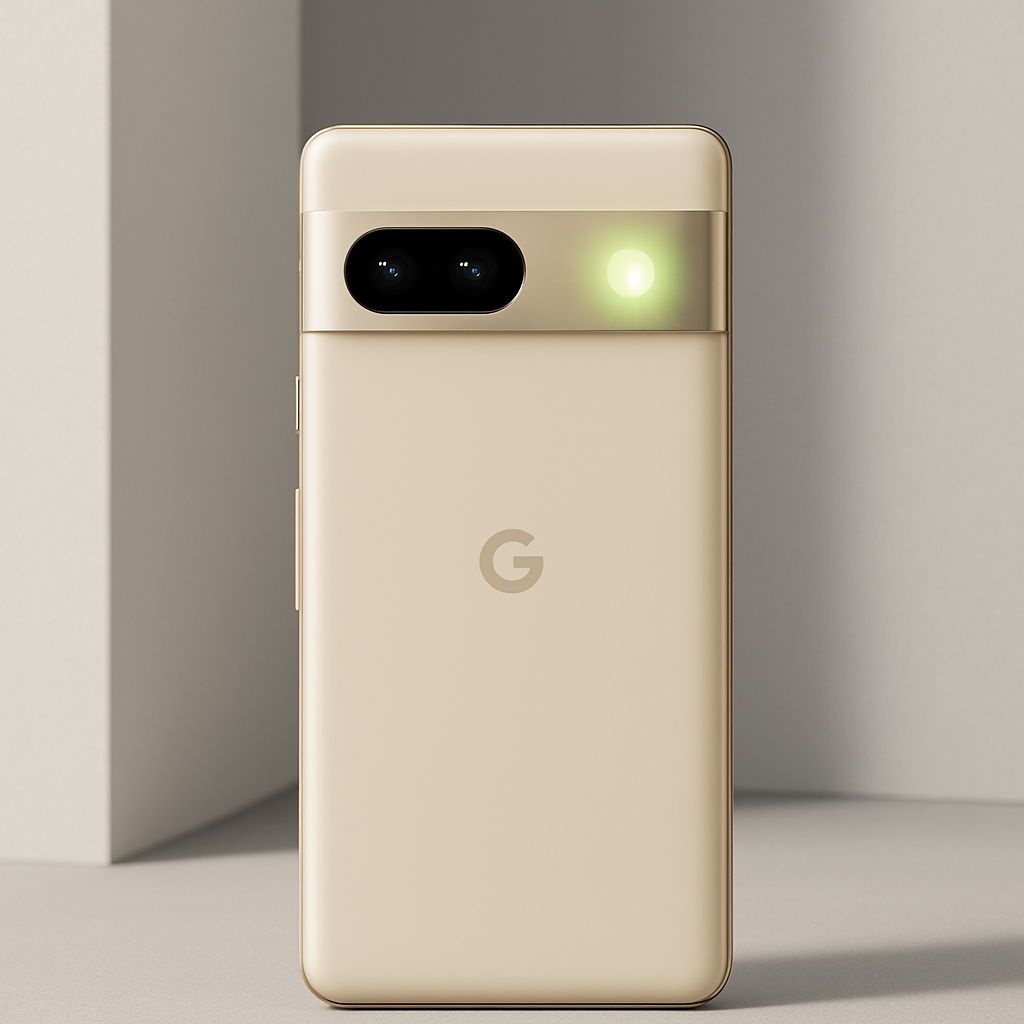
One of the notable enhancements in the Pixel 11 is the introduction of the “Pixel Glow” feature, an RGB notification system integrated into the camera flash. While this addition adds a touch of novelty, it may not be sufficient to captivate consumers seeking groundbreaking innovations. The device will be available in new color options, including “Dune,” “Fuchsia,” and “Pine,” aiming to offer aesthetic variety to potential buyers.
On the foldable front, the Pixel 11 Pro Fold is expected to present only minor refinements over its predecessor. This release coincides with competitors like Samsung making significant strides in foldable technology, potentially overshadowing Google’s offering. Additionally, rumors suggest that Apple is preparing to enter the foldable market, further intensifying competition.
A pressing concern for the Pixel 11 series is the anticipated price increase. Reports indicate that each model will be priced higher than its predecessor, albeit with increased storage capacities. This price adjustment comes at a time when the tech industry is grappling with a global shortage of RAM, attributed to the escalating demand for AI data centers. As a major player in AI development, Google finds itself navigating the repercussions of this market shift, which could impact consumer perception and sales performance.
In summary, the Pixel 11 series is set to launch amidst a confluence of challenges: a design that may be perceived as lacking innovation, intensified competition in the foldable segment, and market dynamics leading to higher prices. While the devices are likely to uphold the quality associated with the Pixel brand, the timing and context of their release may pose obstacles to their success.
Looking ahead, it will be crucial for Google to address these challenges by clearly communicating the value propositions of the Pixel 11 series and demonstrating how these devices stand out in a rapidly evolving market. The company’s ability to adapt to consumer expectations and market conditions will play a pivotal role in determining the reception and performance of the Pixel 11 lineup.