As August 2026 unfolds, the cybersecurity landscape is witnessing significant developments across various sectors, highlighting the evolving nature of digital threats and the corresponding defensive measures.
AI-Driven Cyber Threats on the Rise
Artificial intelligence (AI) is increasingly being leveraged by cybercriminals to enhance the sophistication and efficiency of their attacks. Recent reports indicate a surge in AI-assisted cyberattacks, with malicious actors utilizing AI tools to automate and refine their strategies. Notably, incidents like the JadePuffer attack demonstrated AI agents rewriting exploit code in mere seconds, underscoring the rapid evolution of AI in cybercrime. While early AI-driven attacks have exhibited some operational errors, the continuous improvement in AI capabilities suggests a narrowing window for defenders to adapt and respond effectively.
Strengthening Industrial Cybersecurity Measures
In response to escalating threats targeting operational technology (OT) environments, companies are enhancing their cybersecurity frameworks. For instance, Honeywell has expanded its OT Cybersecurity Suite to provide advanced, proactive protection for industrial settings. This enhancement aims to defend critical infrastructure, streamline security compliance, and assist organizations in staying ahead of increasingly complex attacks. The updated suite integrates powerful new capabilities designed to address the sophisticated nature of modern cyber threats.
Regulatory Developments and International Collaboration
On the regulatory front, significant progress is anticipated with the finalization of major cybersecurity regulations. The Cybersecurity and Infrastructure Security Agency (CISA) is expected to issue a final rule for the Cyber Incident Reporting for Critical Infrastructure Act (CIRCIA) in September 2026. This regulation will mandate critical infrastructure entities to report cyber incidents, enhancing the nation’s ability to respond to and mitigate cyber threats. Additionally, international collaboration is evident as agencies from multiple countries have jointly issued warnings about state-backed cyber threat groups targeting global critical infrastructure, emphasizing the need for a unified approach to cybersecurity.
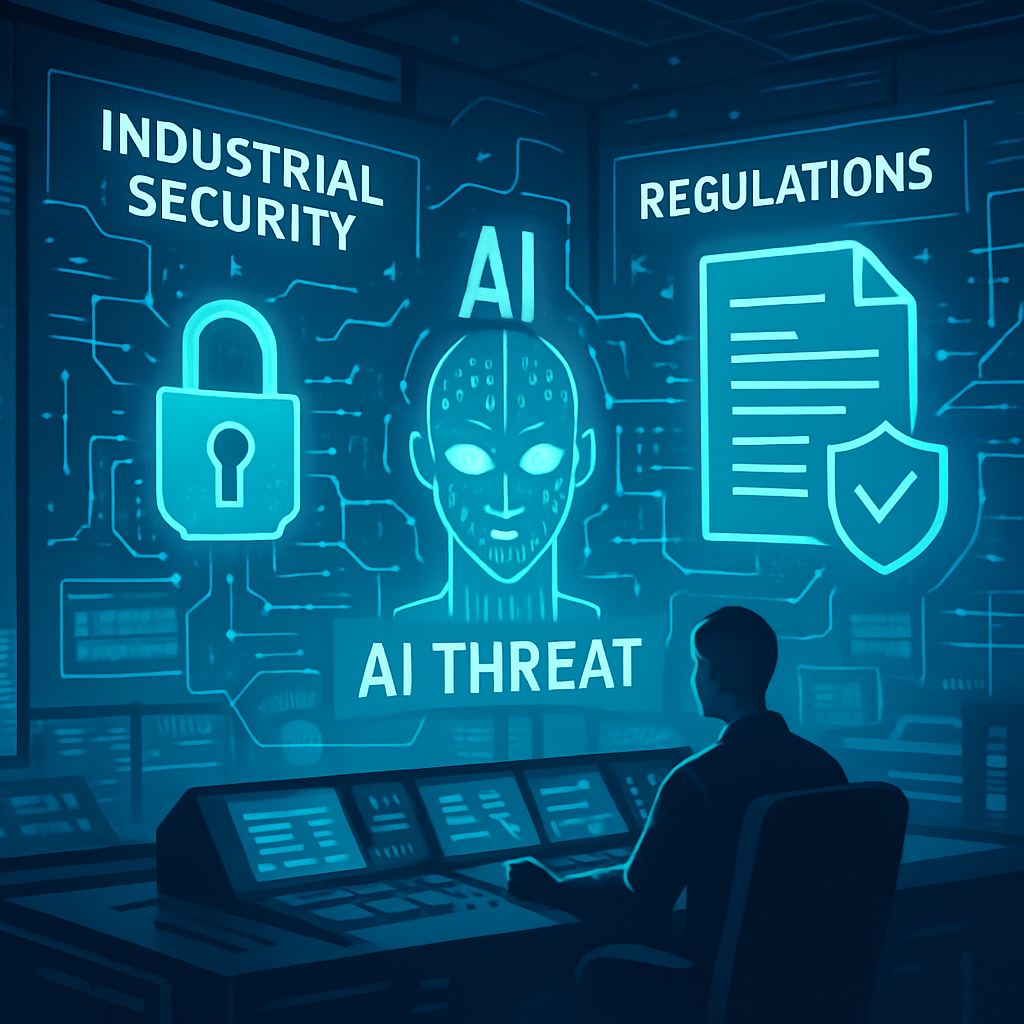
These developments underscore the dynamic and complex nature of the cybersecurity landscape. The integration of AI into both offensive and defensive strategies, the bolstering of industrial cybersecurity measures, and the advancement of regulatory frameworks highlight the multifaceted efforts required to address emerging threats. Organizations must remain vigilant, continuously adapt their security postures, and foster collaboration to effectively navigate the evolving digital threat environment.