Phishing scams in Q3 2026 are evolving. Attackers are increasingly relying on trusted email services and URL cloaking to evade detection by traditional security tools. Rather than using overtly fake addresses or attachments, these attacks hide in plain sight—using familiar notifications like invoices, renewal alerts, or banking notices to lure victims into harmful redirect paths.
How These Advanced Phishing Campaigns Operate
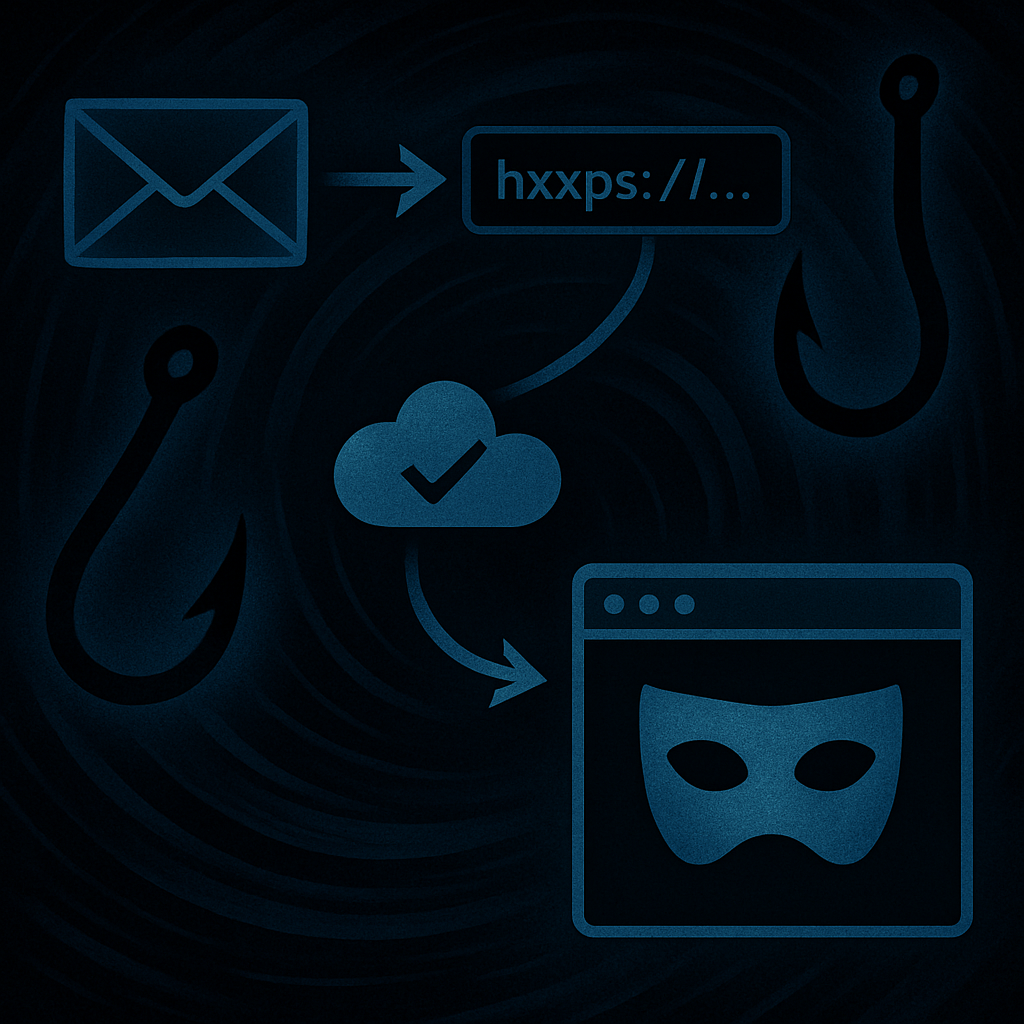
One prominent campaign delivered a fake overdue payment notice in German via Amazon Simple Email Service. The email passed DKIM checks and looked technically legitimate. It contained no attachment. A link led recipients through a hidden iframe, scrambled code, and scripts that captured browser and timezone data before finally redirecting to OpenSea. This kind of layered behavior is designed to appear benign during inspections but becomes malicious depending on location or time.
Another campaign imitated a Romanian bank (BCR S.A.), warning users that they needed to renew PSD2 consent or risk losing access. The sender used a DKIM-aligned but unrelated domain, embedded a link using an IPv6-mapped address, and routed through multiple redirects before landing on a page that looked like a Google login. The researchers judged this to be credential theft. Portions of the campaign were likely cloaked or shut off when researchers tried to load them—behaviors that further evade detection.
Why These Familiar Scams Remain Effective
Attackers aren’t inventing new forms of fear. Their success comes from exploiting trust in everyday themes like subscription renewal, account security issues, or bills. Languages vary—German, Romanian, Dutch—but the emotional pull is always the same. Users are far likelier to respond when they believe a request comes from a business or service they already use.
Technically, attackers are turning trust wheels like SPF, DKIM, and DMARC to their advantage. A message that authenticates properly can slip past many blockers, but authentication alone doesn’t guarantee honesty. Traditional reputation-based blocks and singular URL inspections don’t suffice when the real danger hides further down the redirect chain.
To stay safe, users should avoid clicking unexpected links in renewal or payment emails. Instead, it’s better to type in known service URLs or access notifications from within the app itself—this breaks redirect chains before sensitive credentials or financial information are revealed.
Security teams need to rethink detection strategies. Full click-path inspection, redirect tracking, checking for browser fingerprinting, and paying attention to post-load behaviors are now essential. Authentication marks like DKIM should be just one part of a broader set of signals, not a green light on their own.
Indicators observed in recent attacks include redirect chains through domain names like loadswage.com or fake invoice pages that ultimately route to OpenSea, use of IPv6-mapped links, and sender domains that align with DKIM but are unrelated to the claimed business.
Meaning for Security Defenders: the shift toward multi-stage phishing flows—trusted delivery channels, cloaked paths, benign-looking links early on—marks a serious challenge. Organizations need to train staff to spot urgent-sounding renewal or banking emails, and to verify via official channels. Defenders must also update detection policies to monitor the full chain of link redirects, content post-load, and unexpected usage of authentication as camouflage.
What this tells us: phishing attacks are getting smarter—not just in content, but in behavior. The focus is moving from what’s in the email to what happens after the click. What to watch: multi-stage redirect abuse, legitimate-looking sender domains, and infrastructure hosted on trusted services. If you don’t see the trick, you’ll likely face the trap.