A new version of Parallels Desktop is out now—version 27—and it delivers significant performance upgrades for Mac users who run Windows apps. The update brings much faster graphics through an improved OpenGL experience, better AI and machine learning capabilities, and tools for enterprise users managing multiple systems.
Graphics and OpenGL improvements
Parallels Desktop 27 rolls out a Metal-based graphics driver that supports OpenGL 4.3 inside Windows virtual machines. The upgrade enables professional apps like ArcGIS Pro, ZWCAD, and Blender 4.3 to run more smoothly. On Macs equipped with M3 chips or newer, users can expect up to 160% faster OpenGL performance compared to version 26. In addition, graphics rendering in ArcGIS Pro promises to be up to 35% faster.
AI and machine learning enhancements
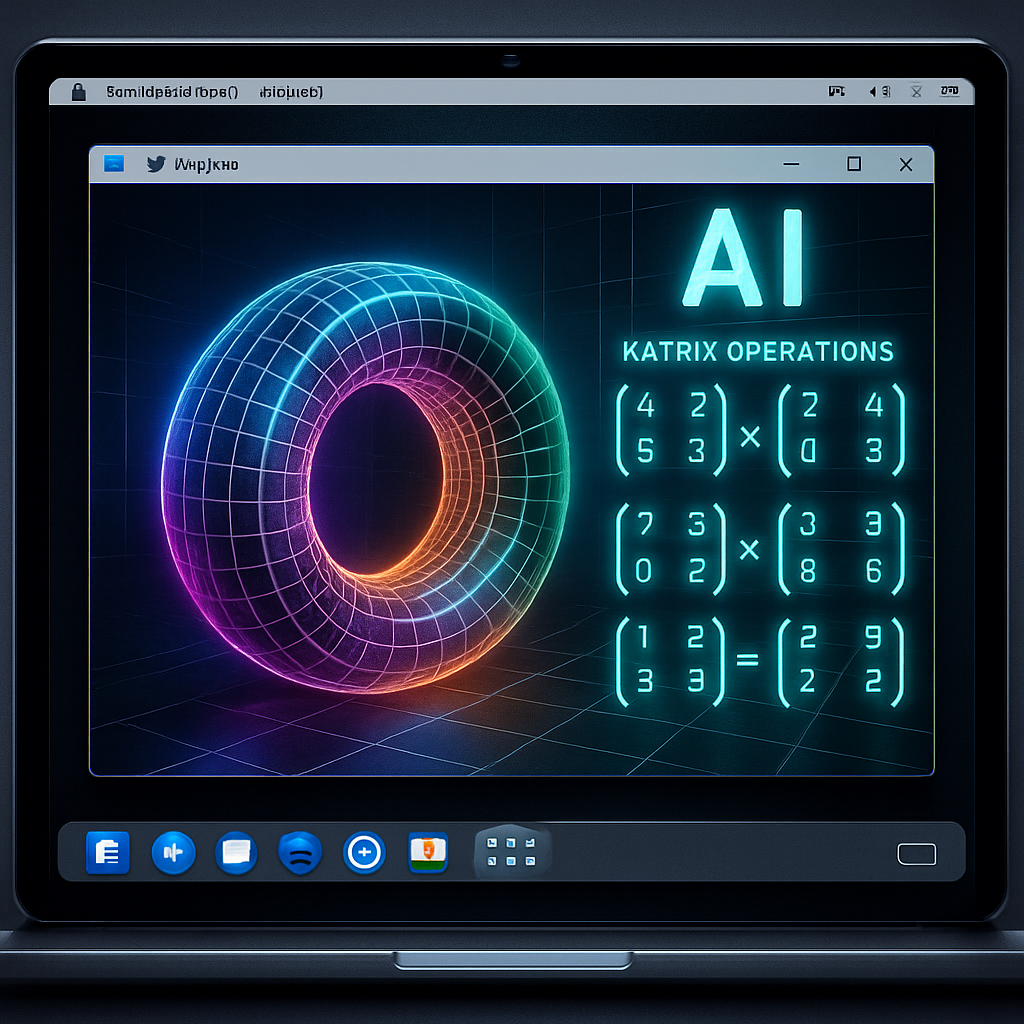
One of the major new features in Parallels Desktop 27 is support for Scalable Matrix Extension (SME) when running Windows and Linux VMs on Macs with at least the M4 chip. SME helps accelerate AI development workflows by improving matrix operations. Parallels says users will see up to 7× faster performance in AI/machine-learning matrix calculations and up to 1.75× improvements in neural network inference over the previous version. That translates to smoother performance in AI tools like Ollama and llama.cpp.
Support tools and app compatibility
To help users check what Windows apps will now run under Desktop 27, there’s a new searchable database with over 200,000 titles. Entries include compatibility information and—where relevant—notes such as plugin requirements. Users search by app name (not version) to see whether it’s supported.
Pricing and editions
Parallels Desktop remains subscription-based with separate plans for individuals, businesses, and enterprise. Regular pricing is listed at $185 per year, with potential discounts for the first twelve months.
The impact of Parallels Desktop 27 is noteworthy: OpenGL support has long been a weak point for virtualization solutions on Apple Silicon, so gains in speed and compatibility mark a meaningful shift. With added AI acceleration, Parallels now better serves developers and power users who run Windows-based graphics or ML workloads on Macs. Going forward, watch for how well real-world performance matches the claims—especially on intensive 3D tasks and large-scale AI model deployments.