Mercor’s Brendan Foody Accuses Sequoia of ‘Dual-Pricing’ Valuation Tactics
In recent discussions within the startup community, several founders and investors have voiced concerns about questionable practices by venture capitalists (VCs). These grievances range from VCs displaying unprofessional behavior during pitch meetings to making inappropriate suggestions regarding team dynamics.
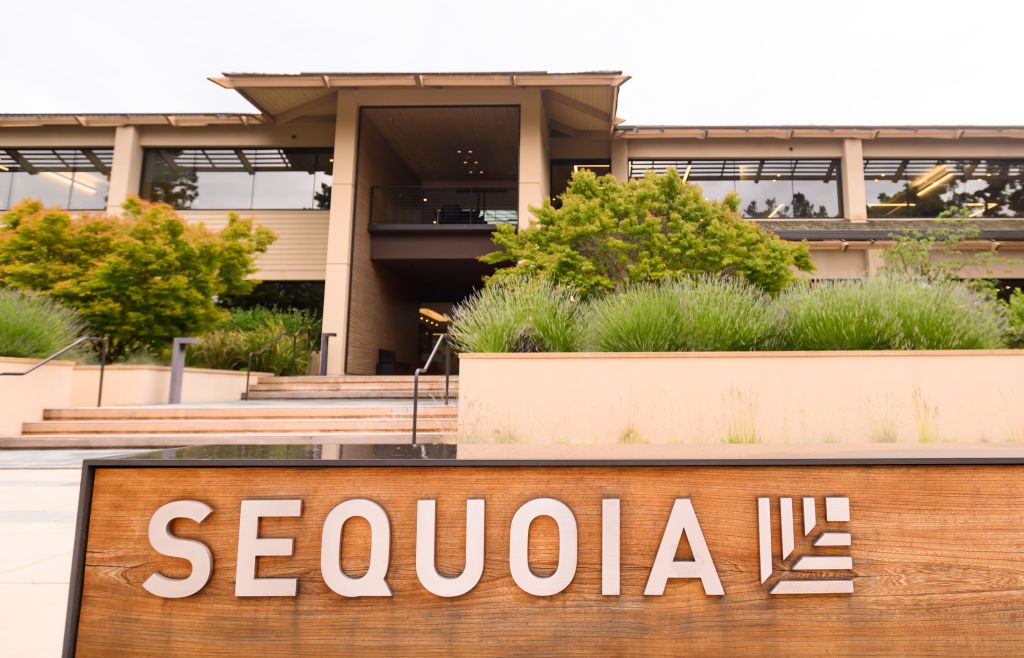
Brendan Foody, co-founder of the AI talent platform Mercor, which recently achieved a valuation of $10 billion, has publicly criticized Sequoia Capital, one of the most esteemed VC firms globally. Foody highlighted a practice he termed the Sequoia scam, alleging that in the past six months, Sequoia has engaged in multiple funding rounds involving two investment tranches. According to Foody, the firm invests a substantial portion at a lower valuation and a smaller portion at a significantly higher valuation. This approach, he claims, allows founders to misrepresent the company’s valuation to employees and potential investors.
This strategy, known as dual-pricing, involves a lead VC firm investing a significant amount at a preferential, lower valuation while contributing a smaller sum at a much higher valuation. The announced headline valuation creates an illusion of a market leader, concealing the fact that the lead investor’s average entry price is considerably lower.
The disparity between these valuations can be substantial. For instance, when the AI-driven IT helpdesk startup Serval announced a $75 million Series B at a $1 billion valuation led by Sequoia, the full picture was not disclosed. Reports indicate that shortly before this announcement, the company had been valued at less than $400 million during a Series A extension involving Sequoia—less than half the headline figure. This significant gap between the two valuations underscores the difference between public perception and actual investment terms.
Another example is Aaru, a startup utilizing AI to simulate user behavior for market research. Lead investor Redpoint invested in the company at a $450 million valuation, despite the publicly announced $1 billion headline price.
Sequoia’s partner, Shaun Maguire, responded directly to Foody’s allegations, stating that while he has observed such behavior, labeling it as the Sequoia scam is unfair. Maguire explained that this practice has occurred approximately five times during his seven-year tenure at Sequoia. He noted that when other investors are willing to pay higher prices for popular companies, particularly in the AI sector, Sequoia attempts to separate the company-building relationship from the capital investment, leading to two tranches at different valuations in quick succession.
Maguire emphasized that he is unaware of any deceptive practices and expressed a willingness to address any specific instances if brought to his attention. He also congratulated Foody on Mercor’s success, acknowledging it as a missed opportunity for Sequoia.
Maguire’s response suggests that this dual-pricing strategy is a response to market dynamics rather than a deliberate attempt to mislead. Sequoia, he implies, is unwilling to match the high valuations that competitors are prepared to pay for sought-after deals, leading to this structured participation. However, this explanation does not address the potential misrepresentation to employees and other investors who may not be aware of the lower valuation tranche.
While Sequoia appears to employ this pricing mechanism frequently, Foody acknowledged that it is not the only firm using this tactic. Although dual-pricing structures can inflate a startup’s perceived value and attract top talent, labeling the practice as a scam may be an overstatement.
Employee stock options should theoretically be priced based on the blended value of all investment tranches, not just the headline number. According to Jason Woo, a partner in valuation and financial modeling at Armanino, which provides independent 409A appraisals for startups, a 409A valuation is intended to reflect a company’s fair market value, offering employees a strike price insulated from the valuation announced in press releases.
However, 409A valuations are often understood to be conservative. A lower strike price results in a smaller tax burden for the company, creating an incentive to keep that number low. Consequently, the appraisal meant to protect employees from inflated headline valuations may not fully capture the company’s true market value.
The situation is more complex for angel investors. Unlike employees, angels are investing their own capital and do not have an independent appraiser to mediate the valuation figures presented by founders.
Dual-pricing is just one method by which VCs and founders can manipulate the perception of success in a highly competitive market. Another prevalent tactic involves inflating or overstating annual recurring revenue (ARR).
Niko Bonatsos, a veteran of General Catalyst and founder of Verdict Capital, addressed this issue during a recent TechCrunch event. He recounted instances where companies reported unexpectedly high ARR figures, only to reveal that these numbers were calculated based on short-term revenue spikes, such as a single day’s earnings multiplied by 365. This practice distorts the true financial health of a company and misleads potential investors.
Brendan Foody declined to provide further comments on the matter. Sequoia did not immediately respond to requests for comment.