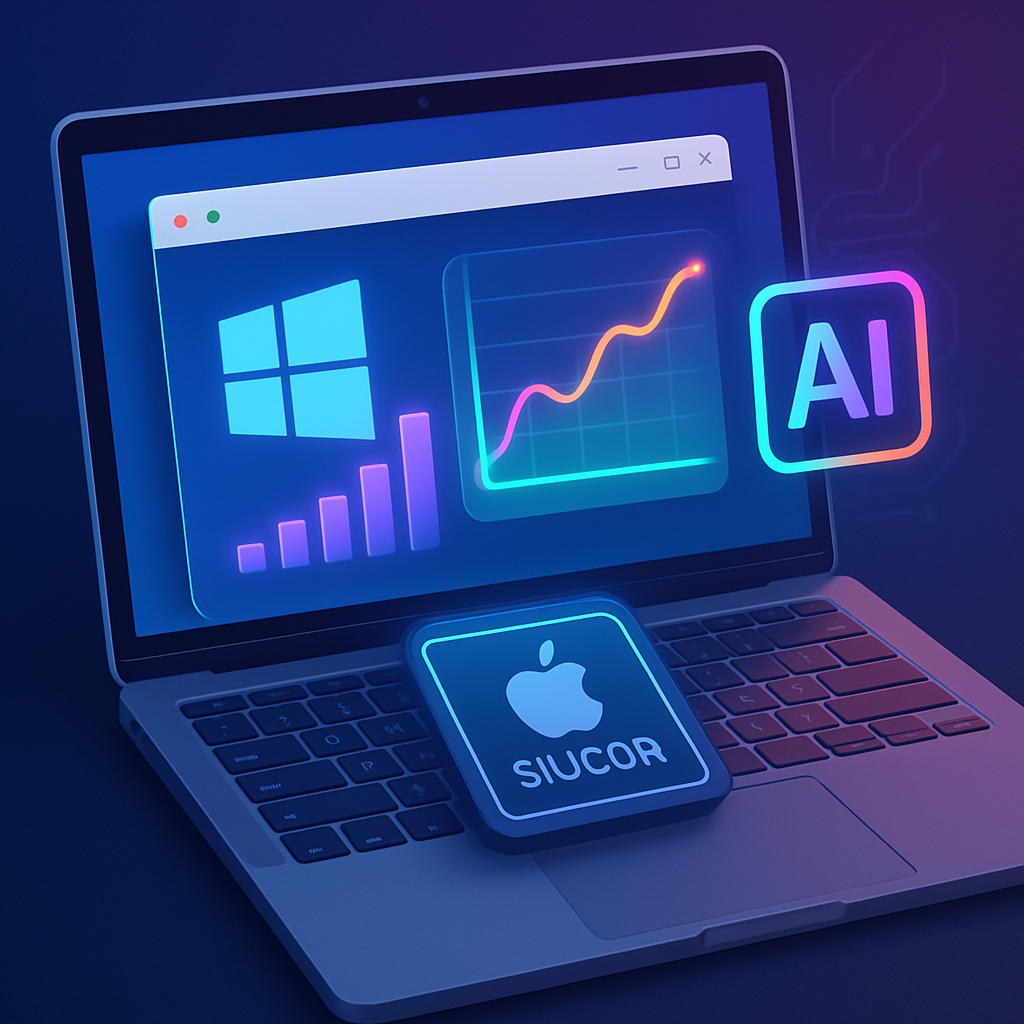
Parallels Desktop 27 just landed with major upgrades for Mac users, especially those running Apple Silicon chips. The newest version introduces a Metal-based graphics driver that brings hardware-accelerated OpenGL 4.3 support to Windows virtual machines on M-series Macs. That unlocks compatibility with apps like Blender 4.3, ArcGIS Pro, and ZWCAD—tools that demand higher graphics specs.
Graphics Upgrade: Smoother, Faster OpenGL
With the shift to a Metal-based driver, Parallels Desktop 27 boosts graphical performance substantially. Macs with M3 or newer chips see up to 160% improved OpenGL graphics performance. For workflows involving 3D rendering in apps like ArcGIS Pro, users can expect up to 35% faster rendering times, potentially cutting project durations by nearly a quarter.
AI and Developer Tools Level Up
Another big focus is on accelerating local AI and ML workloads. Desktop 27 now supports Scalable Matrix Extension (SME2) instructions in both Windows and Linux VMs on Mac models from M4 onward. As a result, matrix operations are up to seven times faster, while neural network inference can be 1.75 times quicker. That’s a boon for people using frameworks like llama.cpp or Ollama inside VMs—no more always depending on cloud compute.
The release also adds enterprise-grade features to help teams roll out and manage VMs more effectively. The new Command Line Interface (CLI) can now detect whether Parallels was activated via license key or Single Sign-On, which aids automation and reporting when using tools like Jamf. Parallels has also renewed its SOC 2 certification, essential for many IT departments.
Mass deployment gets smoother too. Desktop 27 supports Secure Golden Images Provisioning, allowing companies to distribute pre-approved VM images via enterprise storage—think SharePoint or Azure Blob Storage. Fully provisioned, zero-touch Windows VMs are now easier to deploy at scale with better declarative deployment tools.
Parallels Desktop 27 is available now across Standard, Pro, Business, and Enterprise editions. Whether you’re an engineer, developer, gamer, or IT admin, these upgrades make running Windows apps on macOS feel more seamless, powerful, and in some cases, essential.
What this means: Virtualization on macOS keeps pushing forward, especially as more workflows require robust GPU and AI support. By expanding OpenGL compatibility and accelerating AI workloads locally, Parallels is making Mac-based development and graphics work far more viable—no need to fall back on cloud services or lesser-capable setups. The question going forward is how Parallels and others will support upcoming hardware like next-gen Apple Silicon chips, and how software vendors will optimize for virtual environments.