Oppo’s Find X10 Pro Max is a showcase of raw flagship strength—packing top-tier cameras, a monster battery, and polished performance. But it also serves as a stark reminder that despite its capabilities, the phone won’t officially be available in the United States, following OnePlus’s shuttering globally earlier this year.
Specs That Turn Heads
The EU version of the Find X10 Pro Max boasts a 6.78-inch AMOLED display with a 144Hz refresh rate, LTPO tech, peak brightness of 3,600 nits, and 3,840Hz PWM for dimming. Performance comes from MediaTek’s Dimensity 9600 Pro paired with 12GB RAM and 512GB UFS 4.1 storage. Battery life is standout: a 7,150mAh cell with 80W wired and 50W wireless charging (note: no Qi2 magnetic support). Biometrics include both ultrasonic fingerprint and camera-based face unlock.
Camera System: Triple 200MP & True Telephoto Power
The camera setup is ambitious, featuring three 200MP rear sensors. One is the main shooter, one an ultrawide at 13mm, and the third is a 70mm 3× optical-zoom telephoto. A 50MP front lens handles selfies. Video capabilities include 4K at 60fps and 120fps, plus 8K at 30fps from all rear lenses, with improved HDR and stabilization. Still images are sharp and clean, especially in daylight; color rendering excels during sunsets. The 3× telephoto shines in mid-zoom, though the 120× hybrid mode’s quality drops off, and many will feel a 5× lens would have delivered better long-range results.
Design, Build & Software Experience
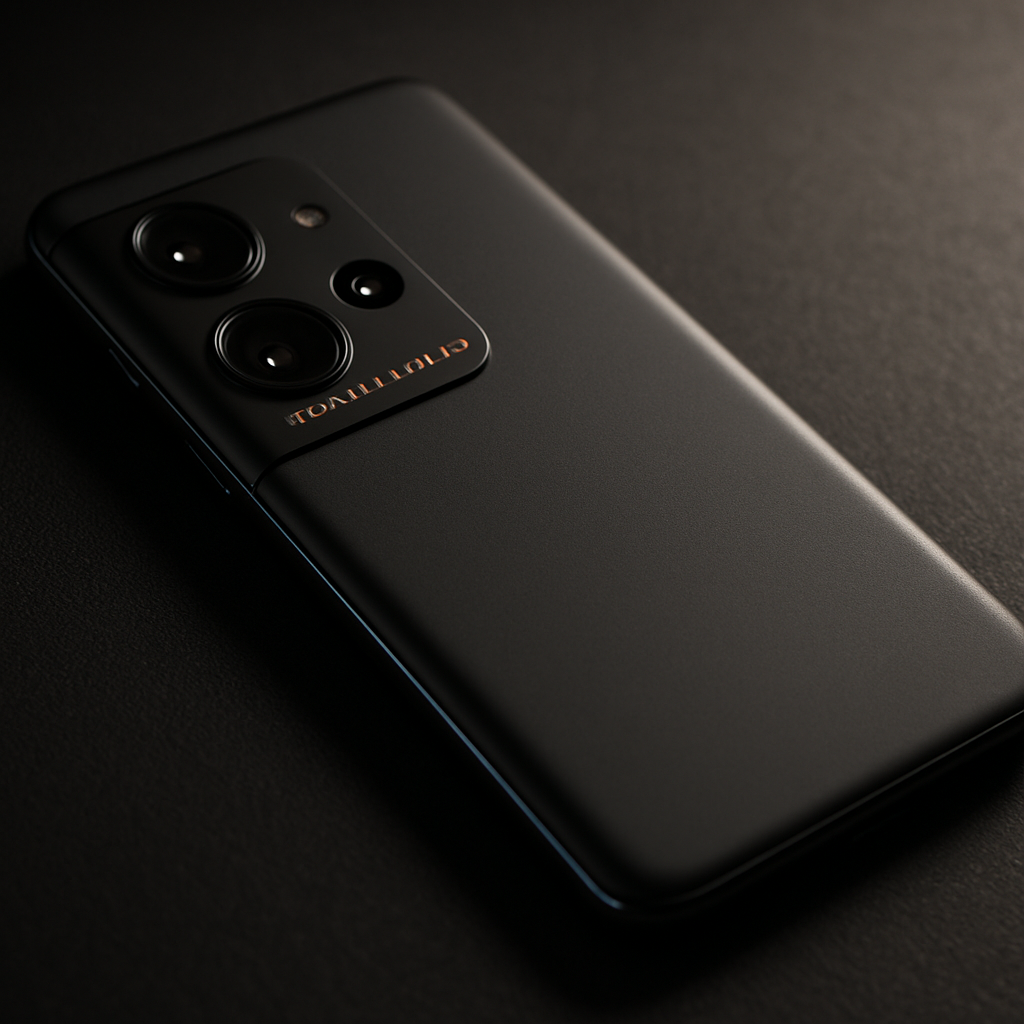
The Find X10 Pro Max leans heavy—both physically and in presence. The review model, in “Lumos White,” has a substantial feel with a pronounced dual-camera bump that causes wobble when placed on flat surfaces. Design flourishes include knurled lens rings and an orange accent from the Hasselblad partnership, though some components like the bump’s ridge collect dust. A hardware ‘Snap Key’ echoes Apple’s Action Button but is limited—usable only via long press, with no double-press or single-press actions.
Software is ColorOS 17. It leans into bold, semi-transparent “Liquid Glass” styling, which can be toned down. While some UI elements feel heavily inspired by Apple, the overall shell proves more polished than before: smoother, more intuitive, and generally refined. Minor annoyances remain—misaligned notification icons, lock screen misclicks—but most likely won’t be dealbreakers.
Performance & Battery: Built for Endurance
Under stress—whether it’s hot weather, GPS usage, game play, or video export—the device remains impressively cool and stable. ColorOS optimizations and MediaTek’s Dimensity chip contribute to a smooth ride, even during demanding tasks. Battery life is equally stellar. On average days, the Find X10 Pro Max consistently ended with around 30-percent charge left after extended heavy-use sessions. Lighter use may stretch it into true two-day territory, especially in regions where a larger battery variant is offered. Fast charging via SuperVOOC and USB-PD means short top-ups during routine moments suffice.
The Bigger Picture: Availability & Trade-Offs
Despite the strengths, the Find X10 Pro Max brings trade-offs. The EU battery version is smaller than in some other regions. The lack of built-in Qi2 magnet compatibility is another miss at a time when magnetic accessories are becoming standard. And while performance and camera tech soar, the telephoto magnification feels constrained by the 3× limit—those seeking long-distance clarity might feel short-changed.
Perhaps most frustrating is what this doesn’t fix: the absence of official US availability. With OnePlus gone, devices like this may stay rare or inaccessible stateside—especially when the international variants boast capabilities unlike any phone currently on sale in the US.
Verdict: For buyers in regions where it sells, the Find X10 Pro Max is one of the strongest Android flagships in recent memory—excelling in cameras, battery, and performance. But for US tech enthusiasts, it’s a what-could-have-been. A lesson in how global device fragmentation still limits access to the best hardware.
What this means: Oppo is pushing limits in imaging, endurance, and power, and this phone illustrates how far Android giants have come when not constrained by market us-centric designs. Going forward, buyers should watch region-specific variants closely—battery size, camera configuration, magnet support—all may vary. And as for the US market, the absence of devices of this calibre underlines a gap that many users may grow frustrated by.