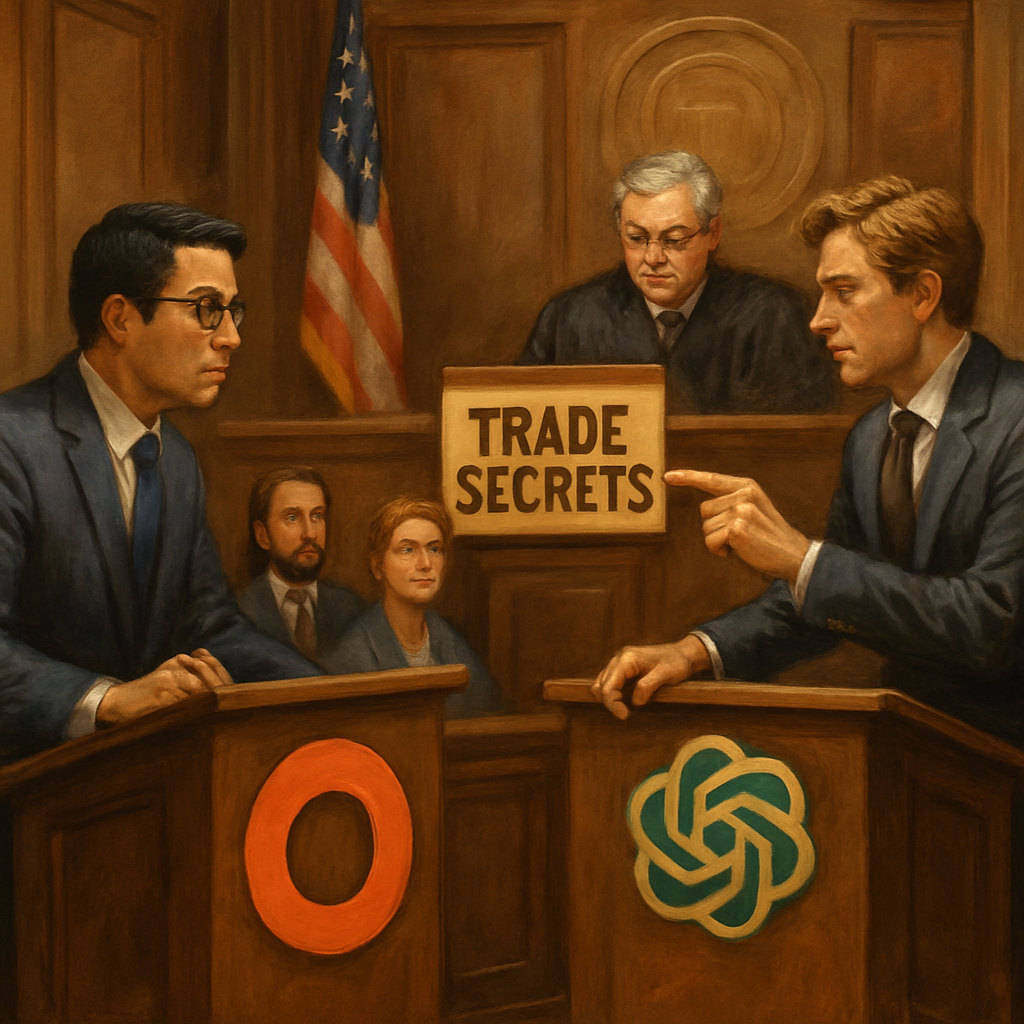
OpenAI has filed a motion to dismiss the trade secret lawsuit initiated by Apple, asserting that the claims lack substantial evidence and were filed without adequate investigation. The lawsuit, which centers on allegations of confidential information misappropriation by former Apple employees now at OpenAI, has intensified the competitive dynamics between the two tech giants in the artificial intelligence sector.
Apple’s lawsuit accuses OpenAI and two ex-Apple employees of soliciting and utilizing proprietary information during recruitment processes. In response, OpenAI contends that Apple’s claims are unfounded and reflect the company’s challenges in retaining top talent amid rapid AI advancements. OpenAI’s motion emphasizes that Apple’s examples of alleged misconduct are mischaracterized and taken out of context.
One focal point of the dispute involves Chang Liu, a former Apple employee now at OpenAI. Apple alleges that Liu disclosed confidential information to OpenAI. However, OpenAI presents evidence suggesting that Liu was contacted by current Apple employees seeking assistance with locating files, indicating internal access management issues within Apple rather than deliberate misappropriation.
Another key figure is Tang Tan, another former Apple employee implicated in the lawsuit. Apple claims that Tan retained a document detailing Apple’s offboarding procedures to circumvent security protocols when recruiting Apple staff. OpenAI counters this by stating that Tan used the information to ensure that new hires adhered strictly to Apple’s offboarding processes, thereby preventing any potential misconduct.
Apple has also sought a preliminary injunction to prevent OpenAI from using the disputed information during the legal proceedings. This request is scheduled for a court hearing on October 1. If the case proceeds, the discovery process could unveil extensive internal practices of both companies related to employee recruitment, hardware development, and data security.
This legal battle underscores the escalating tensions in the AI industry, where companies are fiercely competing for top talent and technological supremacy. The outcome of this case could set significant precedents for how trade secret disputes are handled in the rapidly evolving tech landscape.