OpenAI has announced a limited release of its latest AI models, including GPT-5.6 Sol, Terra, and Luna, following a request from the U.S. government. These models will initially be accessible only to a select group of trusted partners, with their participation disclosed to the government.
This decision aligns with recent governmental actions aimed at regulating the deployment of advanced AI systems. Notably, after Anthropic’s release of its Fable 5 model, the administration mandated the removal of access for foreign nationals, leading Anthropic to withdraw the model entirely. Such interventions have sparked debates over the extent of governmental control in AI development and deployment.
Dean Ball, a former White House AI advisor and incoming OpenAI employee, highlighted concerns regarding the administration’s recent executive order. This directive encourages AI companies to voluntarily submit their most advanced models for government review up to 30 days before release. Ball argues that this has effectively created an involuntary licensing regime for frontier AI, resulting in stringent restrictions. He further cautions that the absence of clearly defined safety standards could lead to indefinite launch delays, potentially hindering the U.S. in the global AI race and jeopardizing substantial investments in AI infrastructure.
OpenAI has expressed its reservations about this arrangement. In a recent blog post, the company stated, “We don’t believe this kind of government access process should become the long-term default. It keeps the best tools from users, developers, enterprises, cyber defenders, and global partners who need them.” The company views this limited release as a temporary measure and is collaborating with the administration to establish a new framework for cybersecurity and a standardized process for future model releases.
GPT-5.6 Sol is touted as OpenAI’s most powerful model to date, featuring enhanced capabilities in coding, biology, and cybersecurity. It introduces advanced reasoning modes, such as “max” and “ultra,” which utilize coordinated subagents to tackle complex tasks. OpenAI reports that GPT-5.6 outperforms Anthropic’s Claude Mythos 5 in coding workflows and achieves comparable results to the Mythos preview while using a third of the output tokens.
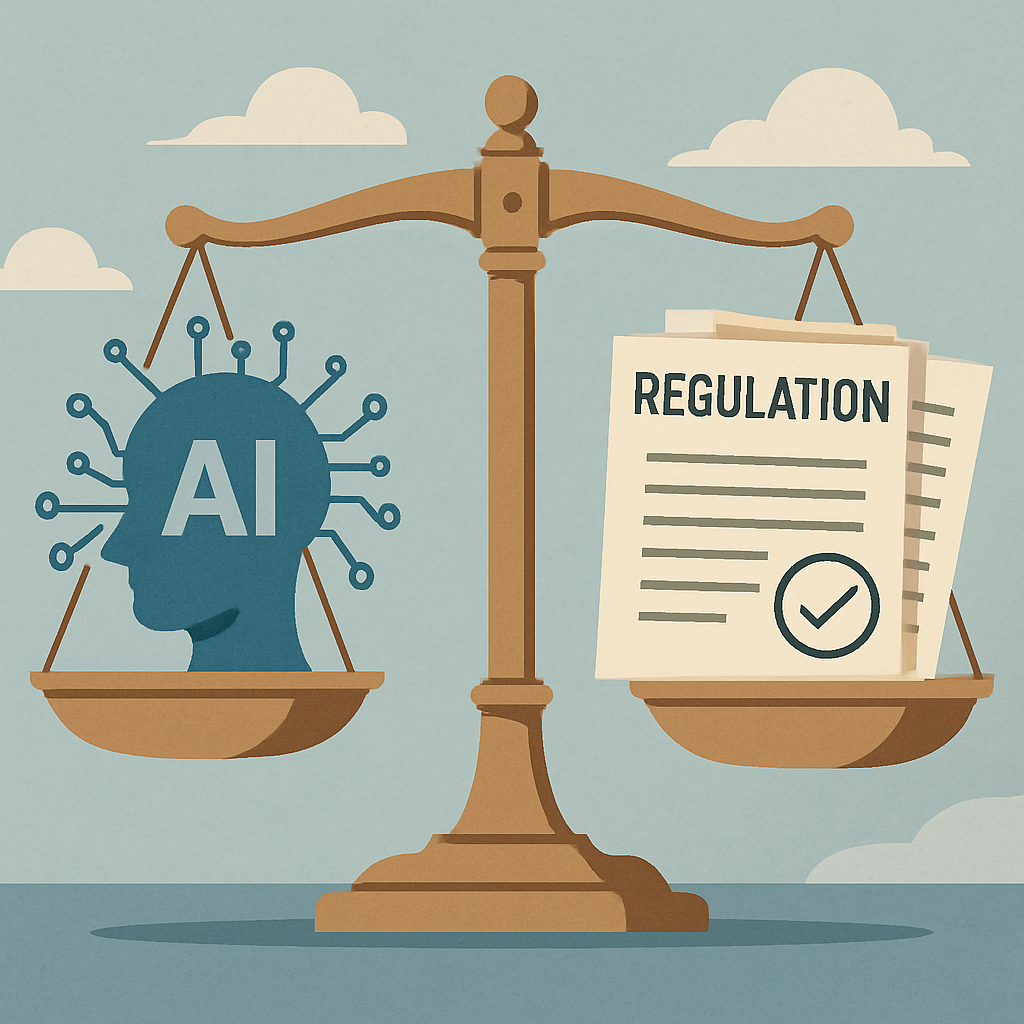
As AI technologies continue to evolve rapidly, the balance between innovation and regulation becomes increasingly critical. While governmental oversight aims to ensure safety and ethical considerations, it is essential to avoid stifling progress. Establishing clear, consistent standards and fostering open communication between AI developers and regulatory bodies will be pivotal in navigating this complex landscape.