OpenAI has leveled serious accusations against Apple, claiming it was the victim of trade secret theft by a former employee who rejoined Apple with proprietary information in June 2026. The dispute emerged as both companies are already embroiled in related legal action over alleged trade secret misuse. This development adds a new twist to a battle over intellectual property between two giants racing into the future of AI and hardware.
What’s being alleged
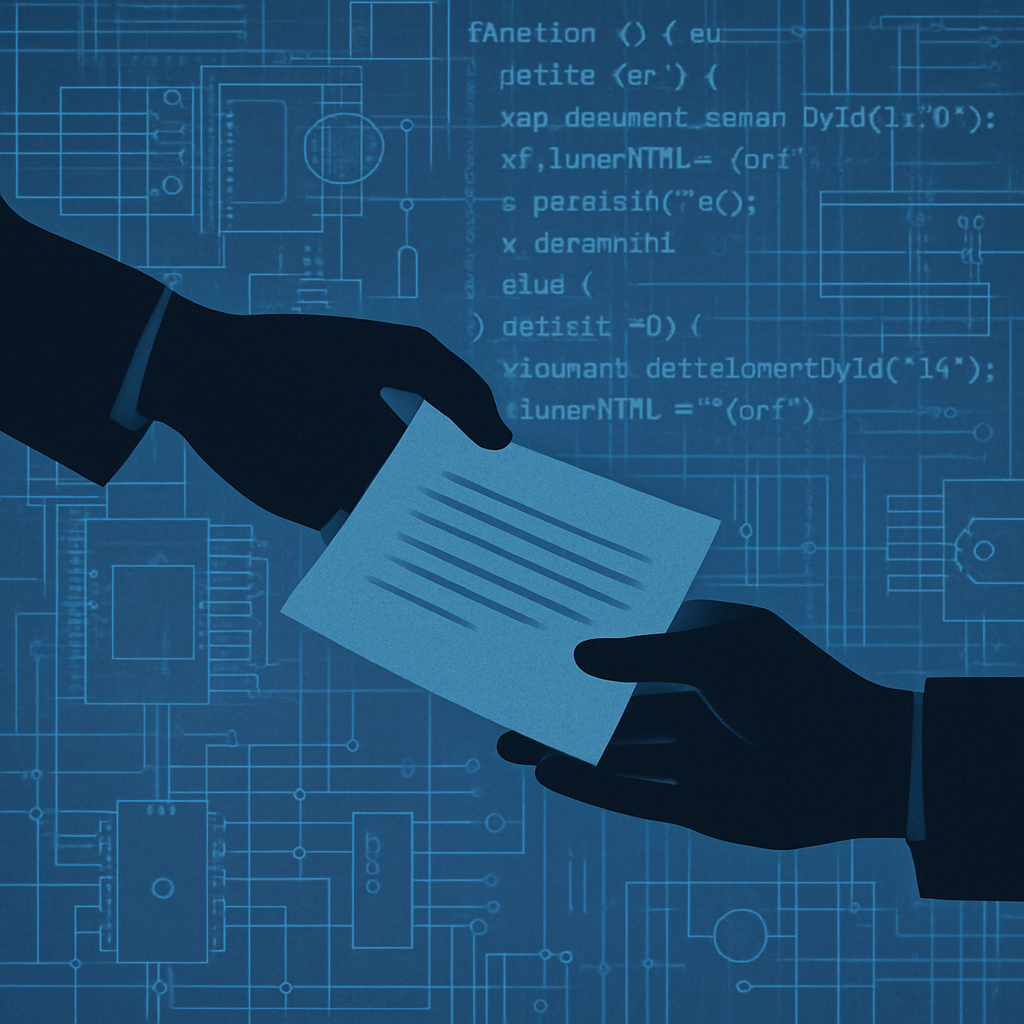
According to OpenAI’s court filing, during a forensic investigation tied to Apple’s trade secret lawsuit, it uncovered evidence that a former employee had taken a cache of confidential materials back to Apple. The documents in question reportedly covered everything from advanced engineering schematics and supplier details to cosmetic finish standards and manufacturing data. OpenAI suggests Apple’s in-progress HomeView product may have been influenced by those materials. The accused employee is said to have left Apple, spent roughly six months with OpenAI, then returned to Apple carrying sensitive documents stored in personal accounts.
Apple’s previous allegations & counterclaims
Apple had already sued two ex-employees—Tang Yew Tan and Chang Liu—alongside OpenAI in July 2026. In its complaint, Apple alleges those individuals stole proprietary information via work devices, misused iCloud or other internal services, emailed supplier and manufacturing data, and encouraged others to bring unreleased Apple hardware during job interviews. Apple charges that OpenAI benefited from or encouraged these violations.
Responses and court decisions
OpenAI says it raised the matter with Apple, but that Apple failed to respond. Apple has countered by asserting it maintains robust policies to prevent new hires from bringing third-party confidential material into its fold, and insists there’s no proof these thefts occurred or were used to influence its initiatives. In court, Judge Edward Davila recently granted Apple’s request for portions of OpenAI’s documents and details related to the employees under scrutiny, though the trial date remains undetermined.
OpenAI expects that the information it has turned over—images, engineering details, and manufacturing data—could show Apple pushing into AI-enabled products on the strength of improperly acquired secrets. Apple denies this, maintaining the materials have no link to its efforts or plans.
The legal battle, which started in July 2026, has escalated with OpenAI now countering Apple’s claims with its own version of events. Both companies are publicly firm in their positions, and the dispute now hinges heavily on what evidence gets admitted under judicial order.
What this means: This new accusation raises complex questions about how trade secrets are protected—or allegedly misappropriated—in the fast-moving AI and hardware sectors. These are high-stakes claims, not just between competitors, but between individuals who move between employers and potentially carry valuable tacit knowledge with them. As discovery proceeds, the outcome may impact hiring practices, IP protections, and how aggressively companies guard their internal innovation. With AI-driven product roadmaps accelerating, all eyes will be on what evidence emerges when the full case goes to trial.