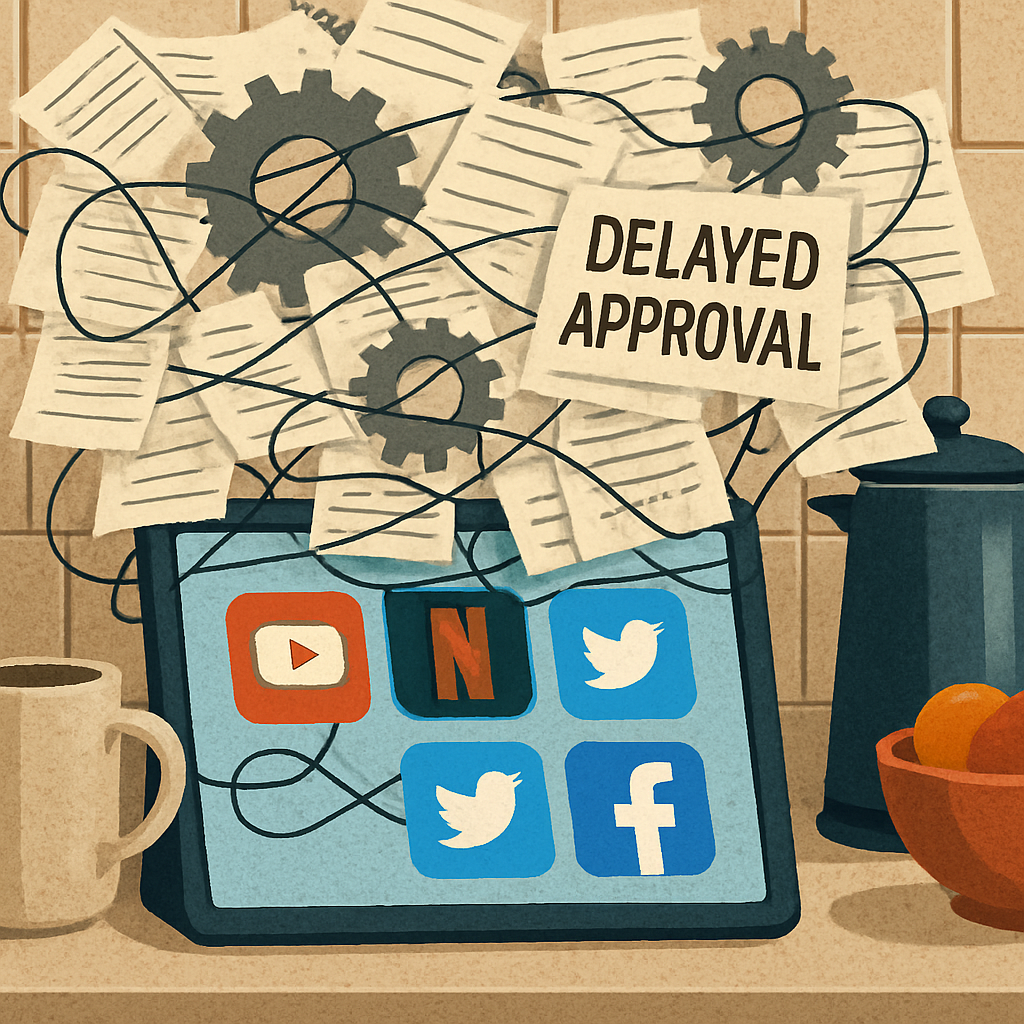
Apple’s newly introduced HomeView leverages the same CarPlay media framework to run compatible audio and video apps on home displays. The idea is promising: developers need only build their apps once for CarPlay and then they’ll work in a countertop setting—no extra coding required. But there’s a catch. To enable such functionality, developers must request an Apple “entitlement,” a special permission that involves an extra step outside the normal App Store submission process. This entitlement demands not just a formal request via email but also acceptance of Apple’s CarPlay agreement. Once submitted, Apple manually evaluates each request against eligibility criteria. Only after approval—plus the usual App Store review—can an app support CarPlay on HomeView.
Why This Matters—and What Makes It Frustrating
The current system was developed to protect users in moving vehicles. Laws and safety guidelines mandate restrictions: no video playback while driving, limitations on certain app behaviors, and strict controls over what can be displayed in-car. These are sensible rules behind the wheel. But once apps cross over into the home environment, many of those restrictions lose relevance. HomeView exists outside the car, yet it inherits all CarPlay’s entitlement requirements—and with them, the constraints and delay.
For developers, this entitles a lengthy timeline. Waiting weeks for approval risks harming momentum, particularly for smaller teams or niche media services. Without a streamlined pathway, many may decide it’s not worth their effort to port or adapt apps for HomeView. Clear guidance remains thin—developers aren’t sure which types of apps qualify, how to apply, or how long the process should take.
Where Apple Could Improve
The solution seems straightforward: Apple needs to tailor entitlement and review criteria specifically for home displays—distinct from its in-car rules. That means providing clarity on which apps are eligible and crafting a policy designed around the tasks people want to perform in a kitchen or living room, not just while driving. There should also be a fast lane for non-driving use cases. If an app is for cooking, streaming, or home automation, its justification should not have to evoke automotive safety. Apple could publish clear documentation, expedite review times for home-only displays, or allow developers to apply for support for HomeView without building car-compatible versions first.
Left unaddressed, these friction points might severely cap HomeView’s potential. If the entitlement hurdles or vague rules delay or dissuade developers, users may see fewer apps and less value—making the product harder to justify. Ensuring the approval process aligns with real-world use outside the car isn’t just a matter of convenience—it might determine whether HomeView can thrive or fade.
Analysis: Apple’s dual-use approach—in which CarPlay media frameworks apply both in vehicles and in the home—makes sense from a reuse standpoint, but its administrative overlay is poorly suited to contexts outside the car. What’s needed isn’t new technology—it’s policy and process reform. As HomeView becomes more visible, pressure will grow for Apple to define separate entitlement tiers or simplify the steps for home-based displays. How fast Apple moves may decide whether HomeView becomes an ecosystem driver, or just another underused Apple product.