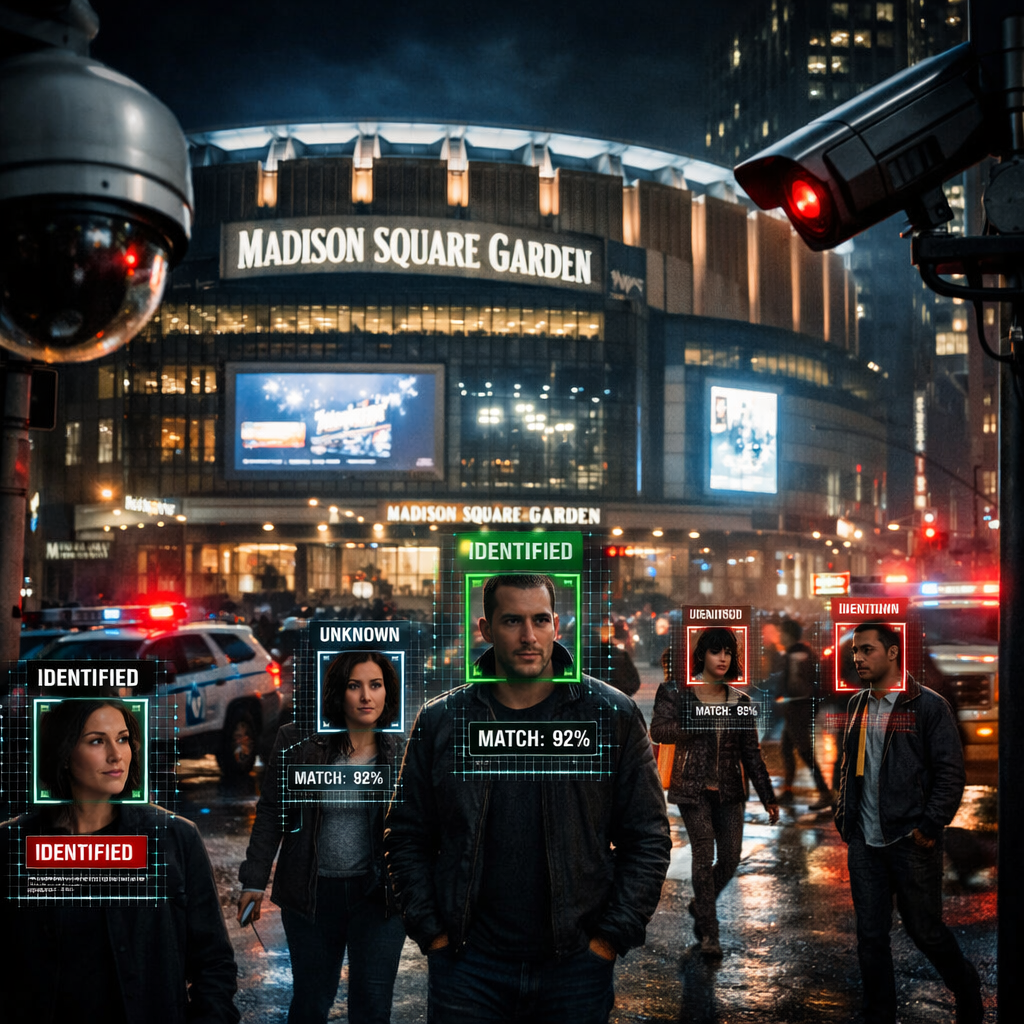
New York City Mayor Zohran Mamdani has sharply criticized Madison Square Garden’s ownership over its use of surveillance systems, asserting that such technology should not be permitted. Mamdani, speaking in an interview, warned that these data-gathering tools represent a troubling signal of broader issues confronting society.
Details of the Surveillance Criticism
During the conversation, the mayor referenced pending legislation introduced by City Council Member Shahana Hanif, aimed at banning biometric data collection—like facial recognition—in public spaces throughout New York City. Mamdani described the proposed law as an essential step in responding to what he called “this kind of an issue.”
The focus on the Madison Square Garden Company was prompted by reports that its owner, James Dolan, operates cameras and facial recognition software to monitor individuals both inside and outside the company’s venues. One report raised concerns about a visitor database that reportedly labels certain individuals—including some performers—as “LGBTQIA,” although the purpose of these labels remains unexplained. Dolan has since filed a lawsuit against the outlet responsible for the revelations.
One incident from 2021 drew attention when a woman was barred from entering Radio City—a Dolan-owned facility—after the venue’s facial recognition system reportedly identified her as an attorney for a firm that had litigation ties to MSG, even though she herself was not involved in the lawsuit.
Response and Legal Context
A spokesperson for Madison Square Garden responded by contesting the accuracy of the reporting, claiming the articles in question were false and asserting that the company is pursuing legal measures in response. No additional supporting evidence was provided by MSG in its rebuttal.
Under New York City law, businesses have been required since 2021 to inform the public when engaging in biometric data collection from patrons. The rumored practices at MSG and the legislation in motion signal increasing concern among city leaders and the public over how such surveillance tools are being used.
The controversy highlights growing tensions between tech-enabled surveillance and privacy rights. With biometric data becoming more pervasive, questions about consent, transparency, and constitutional protections are moving to the forefront of legal and political debates. The proposed bans and existing disclosure laws may represent early tests of how far public policy will go in regulating facial recognition and similar systems.
What to Watch
Keep an eye on how Hanif’s legislation develops, including whether it passes and what legal challenges it may face. Also important is how Madison Square Garden responds—both in public and through legal channels—to these allegations. The issue could set precedents for private use of surveillance tech in commercial venues, and potentially influence broader policy around biometric data in major cities across the U.S.