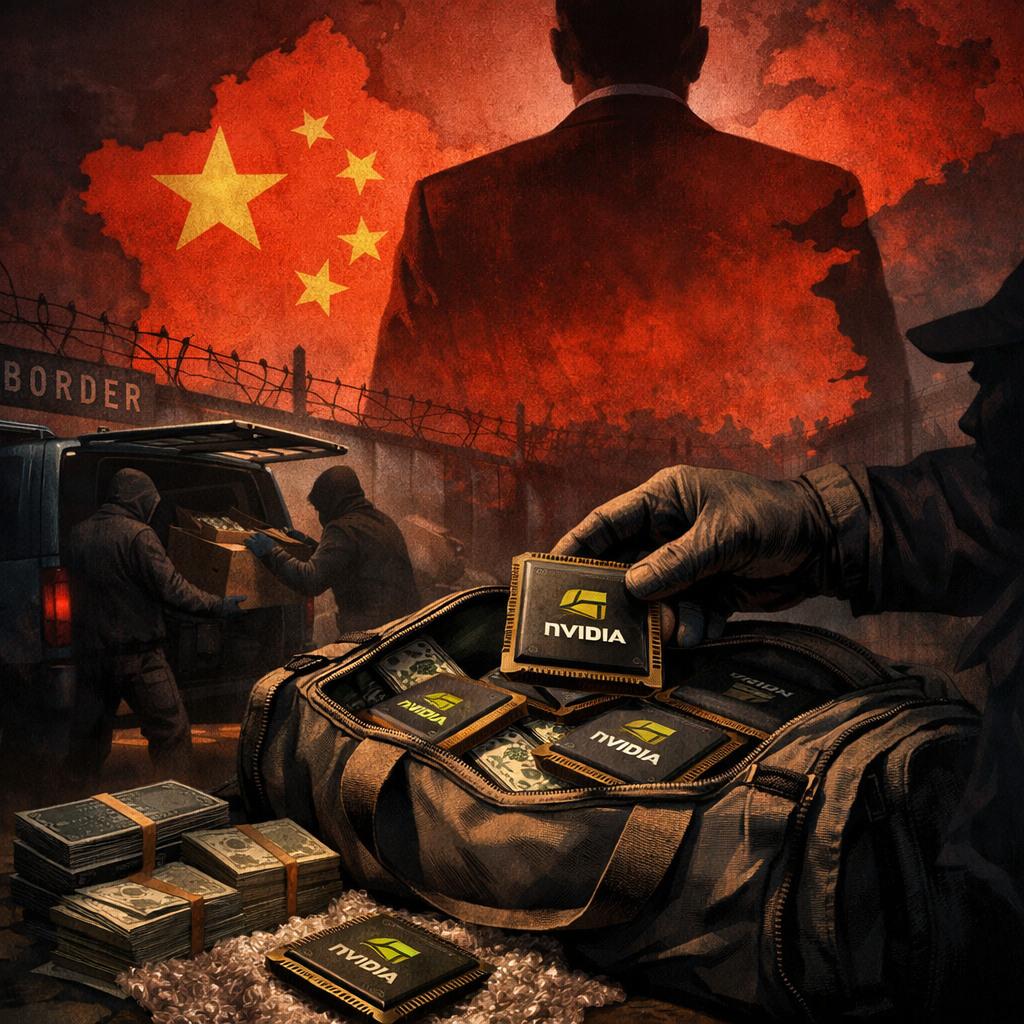
Nvidia’s chip smuggling saga has deepened far beyond the allegations surrounding its former CEO. Recently unmasked is a new key figure, Cenly Chen, accused of funneling roughly $2.5 billion worth of Nvidia chips into China—an operation intertwined with high-level relationships that cast further shadows over the company’s leadership.
Connections and Key Players
Cenly Chen, previously chief growth officer at SuperMicro, is married to Jay Puri, who until his retirement in July served as Nvidia’s executive vice president of field operations. Puri’s departure had no public link to smuggling but now seems part of a wider concern. SuperMicro has already been under federal scrutiny; co-founder Wally Liaw was charged earlier in 2026 for allegedly shipping Nvidia chips through Taiwan into China. Liaw has pleaded not guilty, while Chen faces shareholder claims that he was necessarily aware of illicit sales.
Huang to Face Senate Pressure
Meanwhile, the spotlight remains firmly on Jensen Huang, who has been embroiled in personal scandal and is now called to testify before the U.S. Senate Banking Committee. His closed-door interview is scheduled for December 1, where lawmakers will probe the company’s connection to a distributor named Megaspeed, alleged to have diverted chips to China. Commerce Secretary Howard Lutnick has also been summoned over warnings that originated as far back as March 2026—raising tougher questions about whether regulators ignored early red flags.
Although Chen has drawn serious accusations from shareholders, she hasn’t been federally charged, unlike other SuperMicro executives tied to prior indictments. Clinton-era attorney Wally Liaw is one such figure already under criminal complaint. Shareholders are asserting that the logistics of smuggling such a large volume of chips imply Chen’s involvement—directly or indirectly—in the scheme.
With Huang’s personal life also in the headlines, Nvidia’s leadership woes now span both moral and legal terrain. What was first publicized as a scandal around extramarital affairs involving Huang has generated momentum into full-blown legal and regulatory examinations of business practices, supply chain oversight, and senior accountability.
The tug-of-war between Nvidia’s public image and the unfolding allegations will only intensify in the coming weeks. Huang’s December testimony and the Senate’s scrutiny of Megaspeed—not to mention how and when the Commerce Department acted—could reshape how the company is regulated and perceived.
What this means: As more names surface and the magnitude of alleged wrongdoing grows, Nvidia risks enduring long-term damage beyond boardroom drama. Investors will watch whether internal compliance safeguards and executive accountability at major tech firms are strong enough when power, profit, and national security collide—and whether U.S. oversight still lags behind corporate expansion.