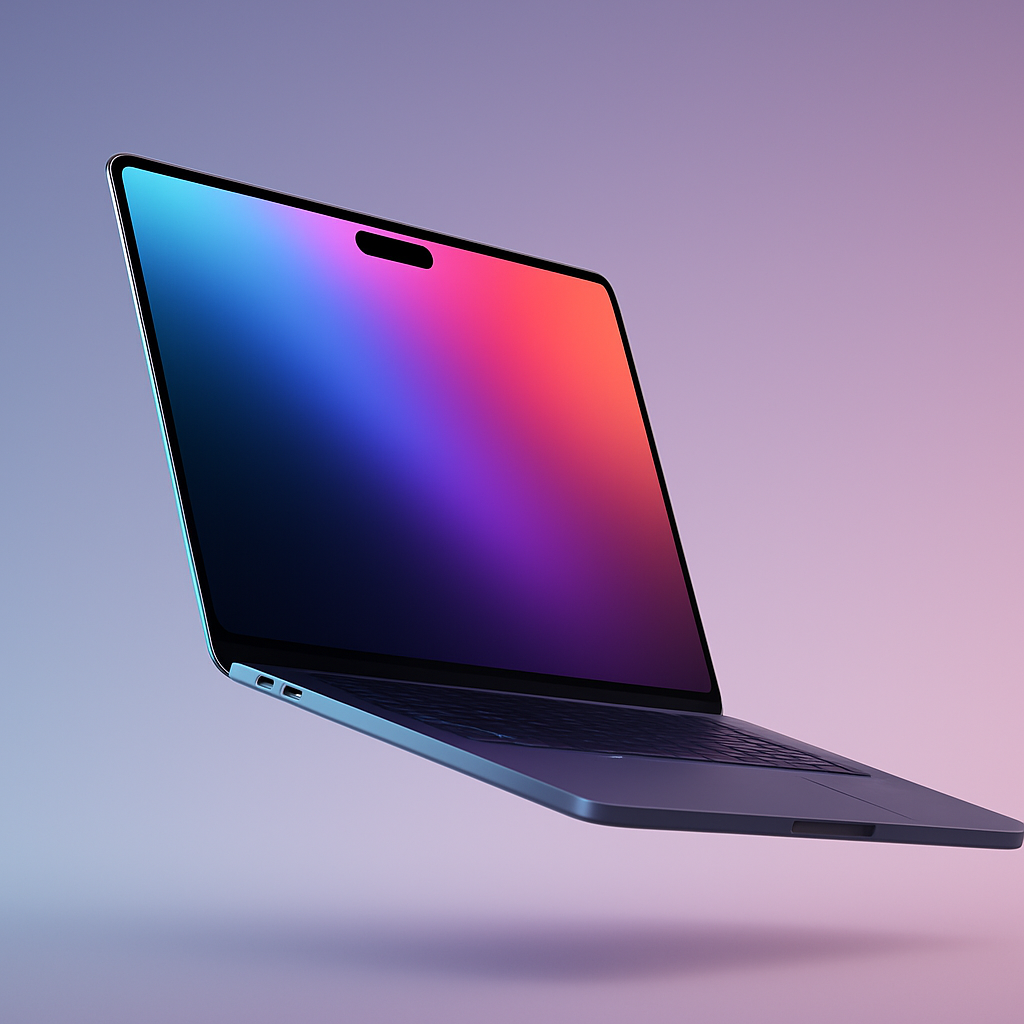
Apple is gearing up to launch a heavily revised MacBook Pro model, expected to debut by late November. The overhaul introduces OLED screens, touch capabilities, Dynamic Island integration, and a construction that’s much lighter than current models. This comes as part of a broader update under its upcoming chip roadmap.
What’s Changing
The biggest physical update is weight reduction: Apple has redesigned internal components—making them more compact and reorganizing their layout—to cut down heft. The current 16-inch MacBook Pro weighs about 4.8 pounds, which users often find burdensome. While the exact weight savings haven’t been disclosed yet, the improvements are expected to make a noticeable difference, especially for those upgrading from heavier models.
Specifications-wise, the refresh will include OLED display panels, touch input, and Dynamic Island. These features represent a significant shift for MacBook Pro, blending visual display upgrades and interface evolution. The chip inside will continue to be Apple’s M5 Pro or M5 Max, as the company reportedly deferred the higher-end M6 series in order to accelerate development of the M7 line.
Software & Release Timing
The software ecosystem will keep pace with these hardware updates. Apple is preparing macOS version 27.2 with enhancements aimed at supporting touch features and Dynamic Island on MacBooks. Additionally, a platform internally codenamed Golden Gate is being adapted to handle these new input and display capabilities, ensuring the OS works smoothly with the refreshed hardware.
The launch is expected “by next month,” meaning Apple could unveil the updated MacBook Pro before the end of November. Exact specs, pricing, and weight figures haven’t yet been confirmed, but rumors suggest a meaningful change in form and feel over the existing lineup.
Why This Matters: For professionals who carry their MacBooks frequently, portability is often a critical factor. A lighter MacBook Pro could sway buyers who currently settle for smaller or less powerful machines just to avoid bulk. These shifts also reflect Apple’s strategy to further merge its Mac and iPad lines: adding touch and Dynamic Island blurs the interaction models between macOS and iPadOS. Still, the extent of change—and whether battery life or durability are affected—remains to be seen. Keep an eye out for the official unveiling, specs reveals, and hands-on impressions.
Analysis: Apple seems to be addressing a long-standing critique: the heft of its pro laptops. By adopting OLED and changing physical design elements, the company is not just updating specs but rethinking how MacBook Pros fit into daily life. The delayed M6 chips suggest internal challenges or shifting priorities, but the focus on weight, display, and UI features points toward a more holistic refresh. Users will want to watch how Apple balances lighter weight with cooling, battery capacity, and overall durability once the units hit the market.