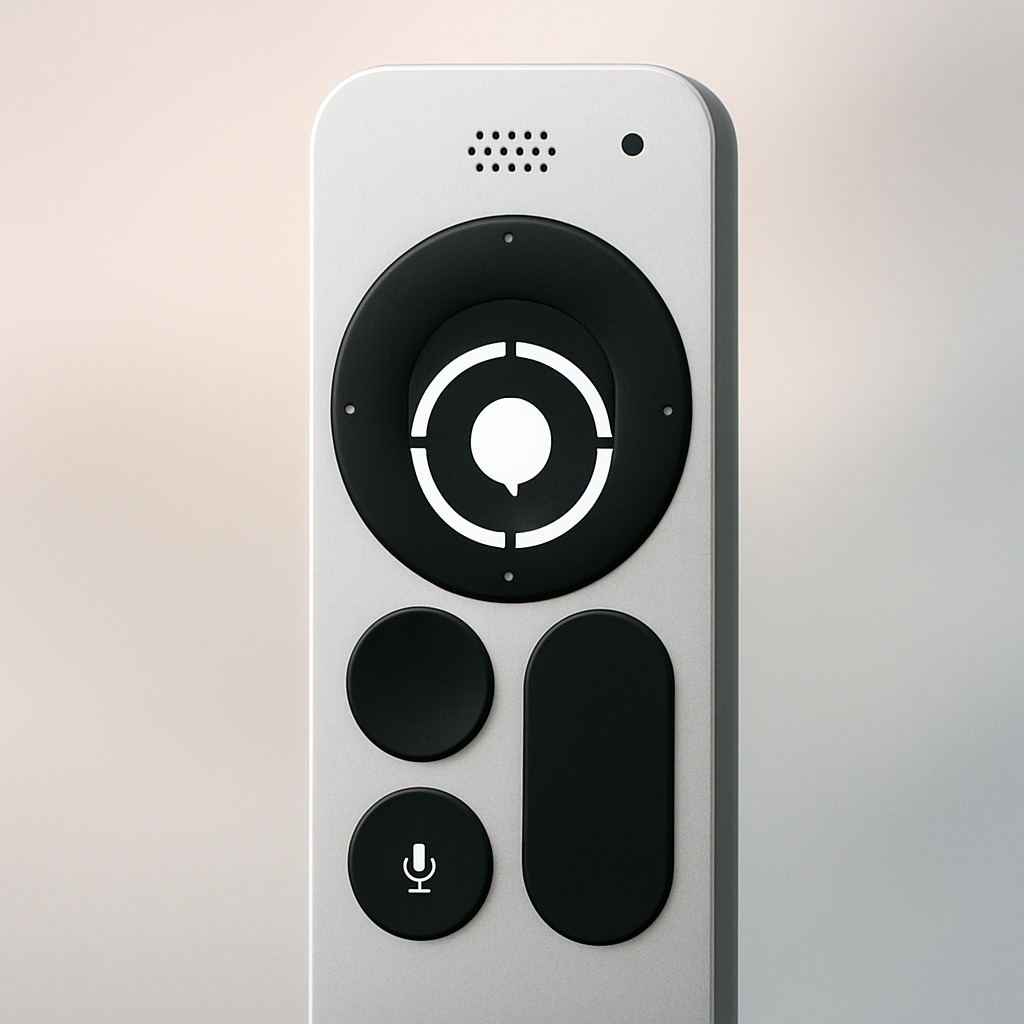
Apple’s latest Siri Remote boasts a feature called Precision Finding via Find My, allowing users to zero in on its location and even trigger a sound if the remote goes missing. But there’s a catch: although many iPhone 15 and 16 models already support Apple’s advanced Ultra Wideband tracking, they won’t work with this new remote’s Precision Finding feature. That capability is restricted to only recently released models.
Restrictions on Compatibility
The Siri Remote’s Precision Finding requires specific hardware—namely, an iPhone Duo, iPhone Air, or iPhone 17 (but notably excluding the iPhone 17e). These devices must run the latest iOS version, and availability of the feature depends on region. Despite having compatible UWB chips, iPhone 15 and most iPhone 16 models aren’t eligible for the Precision Finding capability tied to the new Siri Remote.
Other Features and Alternatives
Aside from enhanced locating via Precision Finding, the new Siri Remote adds Find My integration, a built-in speaker so the device can play a sound to aid in locating it, and compatibility with both Apple TV HD and all generations of Apple TV 4K. Users of older Apple TV units can purchase the new remote separately rather than investing in a whole new TV box.
For those with ineligible iPhones, Apple’s existing “Remote Finder” feature—introduced in iOS 17—still offers helpful proximity indicators that guide users toward the missing remote, though without the precision of the newer system. The sound-playing ability is exclusive to the fourth-generation Siri Remote model.
Timeline & Pricing
The fourth-generation Apple TV 4K, which introduces compatibility with this updated remote, became available for preorder on October 13, with general sales starting November 13. The remote itself can be purchased separately, offering existing Apple TV users a more affordable option to upgrade without replacing their entire streaming setup.
This limitation on iPhone eligibility despite shared Ultra Wideband capability raises questions. Many devices with technically compatible chips are still excluded, suggesting there are undisclosed hardware or firmware constraints at work. What it highlights is Apple’s continued use of selective feature rollout—something to keep an eye on, especially for users who budgeted around introducing features like Precision Finding when they bought their iPhones. Watch whether future firmware updates expand support, or if this turns out to be a permanent division among recent iPhone generations.