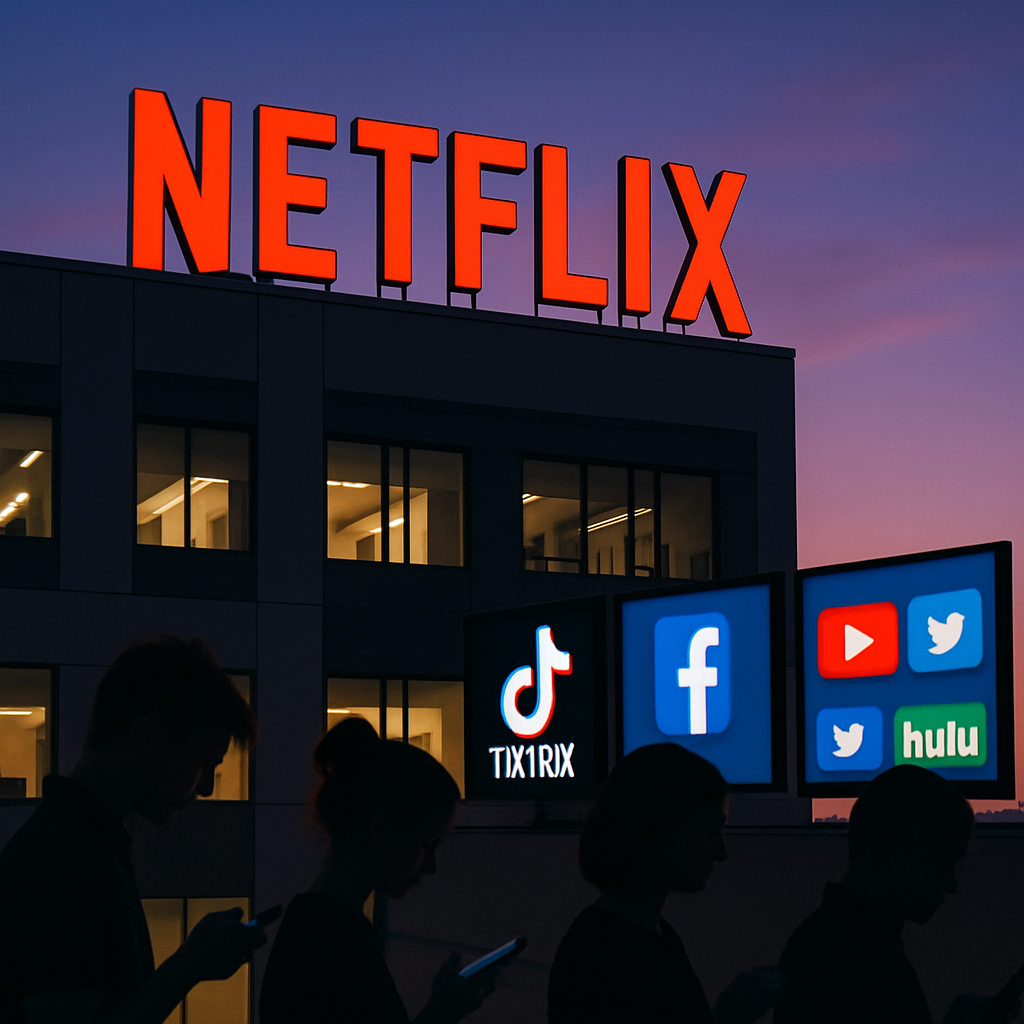
Netflix is slashing roughly 6% of its workforce—around 1,000 people—as it adjusts to fierce competition for viewer attention. The move will mostly hit teams in product, technology, legal, and human resources. Despite the layoffs, the company has assured investors that it remains committed to “high impact” areas and is still on track to achieve its full-year financial outlook.
At the close of last year, Netflix reported about 16,000 full-time employees. The recent cut aligns with its strategy to reorganize and sharpen focus amid shifting priorities.
Intensified Rivalry for Screen Time
Netflix’s decision follows its failed bid to acquire Warner Bros. Discovery’s streaming and studio business, a deal that ultimately went to Paramount Skydance. That deal was viewed internally as a chance to gain valuable assets—such as major studios, networks, and game businesses.
The streaming pioneer is under growing pressure from social media platforms like TikTok, Instagram, and YouTube when it comes to grabbing and retaining user engagement. Recent market research suggests TikTok is closing in on Netflix’s watch-time, while YouTube is said to have overtaken Netflix in average daily viewing in 2025.
Shifting Strategy to Maintain Edge
To counter these trends, Netflix has been experimenting with several new tactics. It has increased subscription prices, added a cheaper ad-supported tier, and expanded into live events, sports, and gaming. New content formats like video podcasts and short-form videos have also been introduced.
Meanwhile, the company is also leaning into AI-powered features and redesigning its mobile app to better compete with the fast-paced social platforms that dominate the feed-based attention economy.
In financial terms, Netflix pulled in $45.2 billion in revenue last year, with ad revenue topping $1.5 billion—underscoring the growing importance of its non-subscription business lines.
These layoffs reflect a broader pattern in streaming: companies are tightening budgets and refocusing resources as they face rising costs, saturated markets, and shifting consumer behaviour. For Netflix, this is about staying lean and dynamic amid pressures on content cost, competitor innovations, and evolving consumer attention spans.