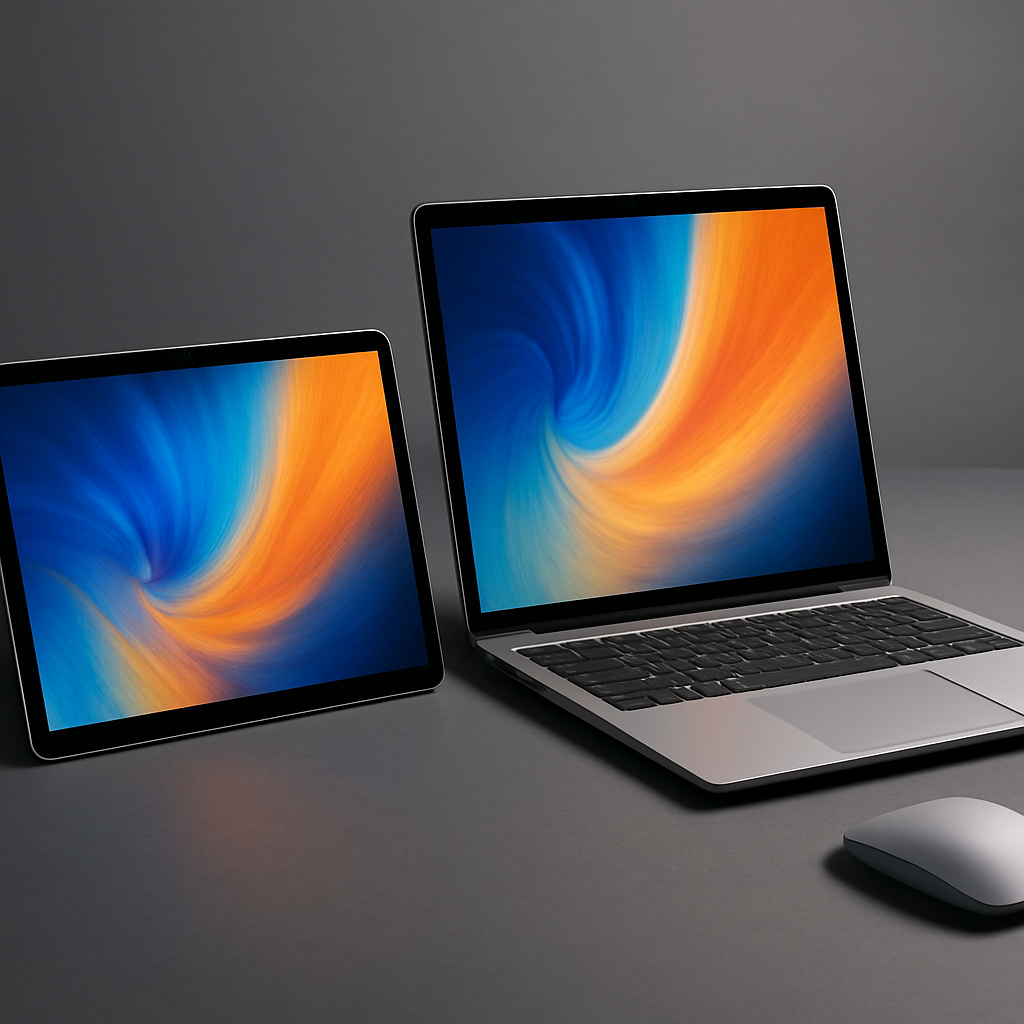
Microsoft is refreshing its smaller Surface family with two new models—the Surface Pro 12-inch and Surface Laptop 13-inch—powered by Qualcomm’s upgraded Snapdragon X2 Plus chipset. Announced at the Snapdragon Summit, both devices roll out globally on October 13, bringing improved performance, brighter panels, and revised pricing that reflects a noticeable increase over last year’s editions.
Chipset, display, and RAM/storage upgrades
The big change under the hood for both machines is the move from the original Snapdragon X Plus to the new Snapdragon X2 Plus processor. Alongside this SoC update, Microsoft claims improvements across the board: up to 17% faster Office productivity workloads, over 60% improvement in graphics rendering, and local AI tasks running as much as 95% quicker compared to the previous-gen Snapdragon X Plus models. Battery efficiency is up too—Microsoft states up to an 18% gain in power usage for these new designs. These figures come from internal benchmarks and were shared by Microsoft at the announcement.
The 12-inch Surface Pro also gains in visuals—a display that’s 25% brighter according to Microsoft, plus an optional 5G version is coming to support better connectivity on the go. Both Pro and Laptop models now only come with 16 GB or 24 GB RAM options; the 8 GB base tier has been dropped. Storage is limited to either 256 GB or 512 GB.
Pricing, availability, and accessories
The new Surface Pro 12-inch starts at $1,149, which is about $300 more than last year’s base model; even the 16 GB/256 GB configuration represents a price hike. The Surface Laptop 13-inch starts at $1,199, roughly $50 above its predecessor’s entry price.
On the accessories front, Microsoft is also launching a revamped Surface Mouse on the same date—October 13—in both Black and Platinum colors. Priced at $79.99, it includes Bluetooth 6.0 support, ability to switch between multiple devices, a customizable Copilot-action button, and haptic feedback designed to give physical responses to clicks, window snapping, or object alignment. Notably, the mouse is constructed with about 30% recycled materials.
The Surface Pro 12-inch has been rated by Microsoft at up to 15.5 hours of local video playback and up to 13 hours of active web usage. It weighs around 1.5 lbs (≈686 grams), carries 2 USB-C/USB 3.2 ports, 6-core Snapdragon X2 Plus CPU, Adreno GPU, and comes with Wi-Fi 7 support.
For business users, both devices—and the new Surface Mouse—will be available through Microsoft’s commercial channels starting October 13. They include features like Microsoft security enhancements (TPM, Pluton), endpoint management tools, and local AI support built into the hardware stack to better match enterprise workflows.
All told, Microsoft delivers meaningful upgrades—especially for graphics, on-device AI, and display brightness—in these compact Surface models. However, they come with steeper prices and fewer low-end options than before.
What this means:These revisions put Microsoft more in line with competitors pushing ARM-based Windows machines, trading off some entry-level affordability for better performance and modern features. For buyers, it’ll be worth assessing if the gains in AI, display, and battery performance justify higher costs—especially for students or users less concerned with high graphics or 5G. Going forward, keep an eye on real-world battery tests and app compatibility for lower-tier configurations.