Microsoft’s Surface Price Surge: A Harbinger for Apple’s Next Move?
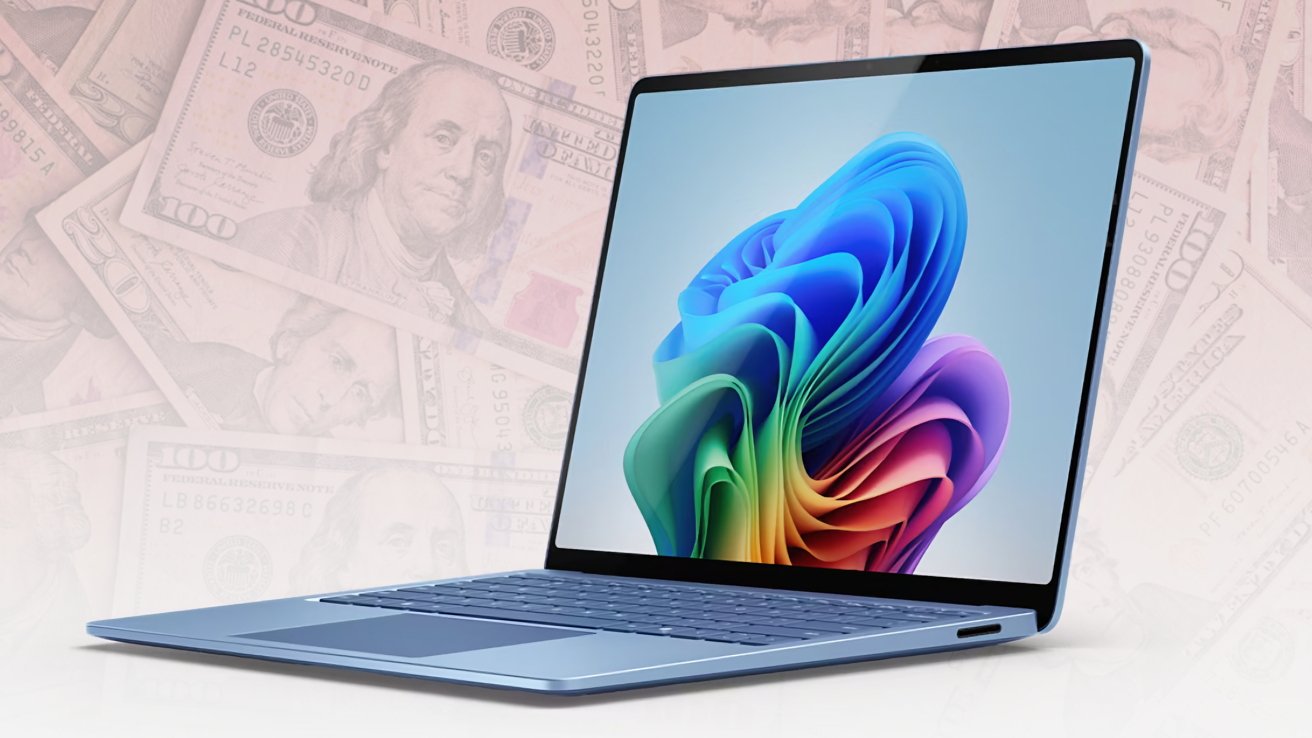
In a significant development within the tech industry, Microsoft has announced substantial price increases across its Surface PC lineup. This move, attributed to escalating memory and component costs, raises questions about potential similar actions from competitors like Apple.
Microsoft’s Price Adjustments
The price hikes affect various models in the Surface series:
– Surface Pro 12-inch: Previously priced at $799, now starts at $1,049.
– Surface Pro 13-inch: Increased from $999 to $1,499.
– Surface Laptop 13-inch: Raised from $899 to $1,149.
– Surface Laptop 13.8-inch: Jumped from $999 to $1,499.
– Surface Laptop 15-inch: Climbed from $1,299 to $1,599.
These adjustments mean that Microsoft’s mid-range devices now exceed the initial prices of their flagship counterparts from 2024. For instance, the 13.8-inch Surface Laptop, which was once $100 cheaper than Apple’s 256GB M4 MacBook Air, now costs $400 more than the 512GB M5 MacBook Air. ([macrumors.com](https://www.macrumors.com/2026/04/14/microsoft-surface-pc-price-hike/?utm_source=openai))
Underlying Causes
The primary driver behind these increases is the global shortage of memory components, often referred to as RAMageddon. Chip manufacturers are prioritizing memory production for AI data centers, leading to limited availability for consumer devices. This scarcity has resulted in higher costs for manufacturers, which are now being passed on to consumers. ([dataconomy.com](https://dataconomy.com/2026/04/14/microsoft-raises-surface-prices-by-up-to-500-amid-ramageddon/?utm_source=openai))
Potential Implications for Apple
Apple has historically maintained stable pricing for its products, even amid fluctuating component costs. However, the current memory shortage presents a unique challenge. If the trend of rising component prices continues, Apple may find it necessary to adjust its pricing strategy to maintain profit margins.
The tech industry is closely monitoring how companies respond to these challenges. While some, like Microsoft, have opted for direct price increases, others may explore alternative solutions such as optimizing supply chains, negotiating better deals with suppliers, or absorbing costs to maintain customer loyalty.
Consumer Considerations
For consumers, these developments underscore the importance of staying informed about market trends. Those considering purchasing new devices may want to monitor pricing closely and assess whether current prices align with their expectations and budgets. Additionally, exploring alternative products or waiting for potential promotions could be prudent strategies in the current market environment.
Conclusion
Microsoft’s recent price adjustments highlight the broader challenges facing the tech industry due to component shortages. As companies navigate these complexities, consumers should remain vigilant and adaptable to make informed purchasing decisions.