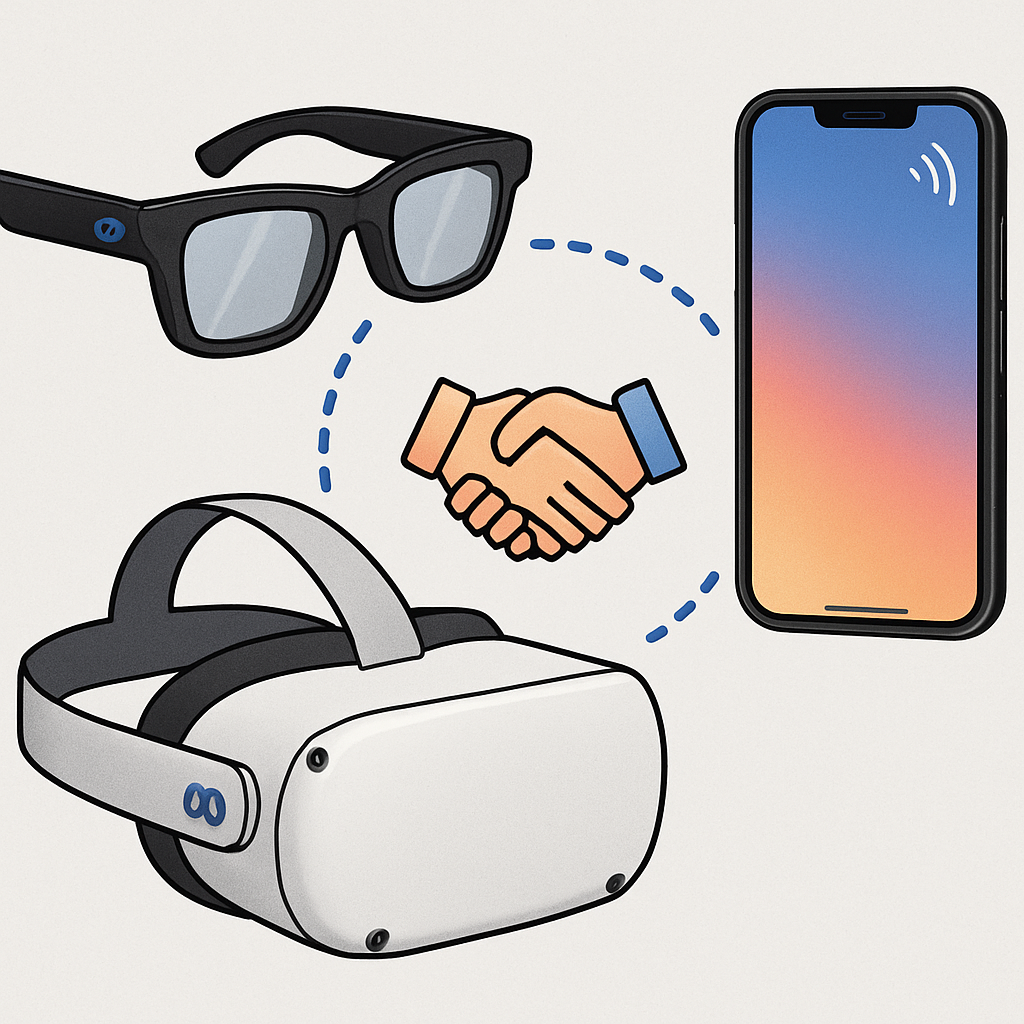
Meta, the parent company of Facebook, has been actively lobbying Apple for nearly a year to grant third-party devices, such as its smart glasses and VR headsets, the same seamless pairing capabilities that Apple’s AirPods enjoy with iPhones. This initiative underscores Meta’s ambition to enhance user experience by simplifying the connection process between its wearable devices and Apple’s ecosystem.
Apple’s proprietary pairing system allows AirPods to connect effortlessly with iPhones, providing users with a streamlined and intuitive experience. Meta argues that extending this functionality to third-party devices would not only benefit consumers by offering a more cohesive user experience but also promote fair competition within the tech industry.
Despite Meta’s persistent efforts, Apple has remained steadfast in maintaining its exclusive pairing technology. The company cites security and privacy concerns as primary reasons for restricting this feature to its own products. Apple emphasizes that its closed ecosystem ensures optimal performance and safeguards user data, a stance that has been central to its product strategy.
Meta’s push for equal access to Apple’s pairing technology is part of a broader strategy to position its wearable devices as viable alternatives to Apple’s offerings. By advocating for interoperability, Meta aims to lower barriers for consumers who might be hesitant to integrate non-Apple devices into their Apple-centric digital lives.
This ongoing dialogue between Meta and Apple highlights the challenges that arise when proprietary technologies intersect with the demand for open ecosystems. As wearable technology becomes increasingly prevalent, the outcome of this dispute could set a precedent for how tech giants collaborate—or compete—in the realm of device compatibility.
Looking ahead, it’s crucial to monitor how regulatory bodies, particularly in regions like the European Union, respond to such disputes. Their decisions could influence the degree of openness required in tech ecosystems, potentially reshaping how companies design and market their products. For consumers, the resolution of this issue may determine the ease with which they can mix and match devices from different manufacturers without sacrificing functionality or user experience.