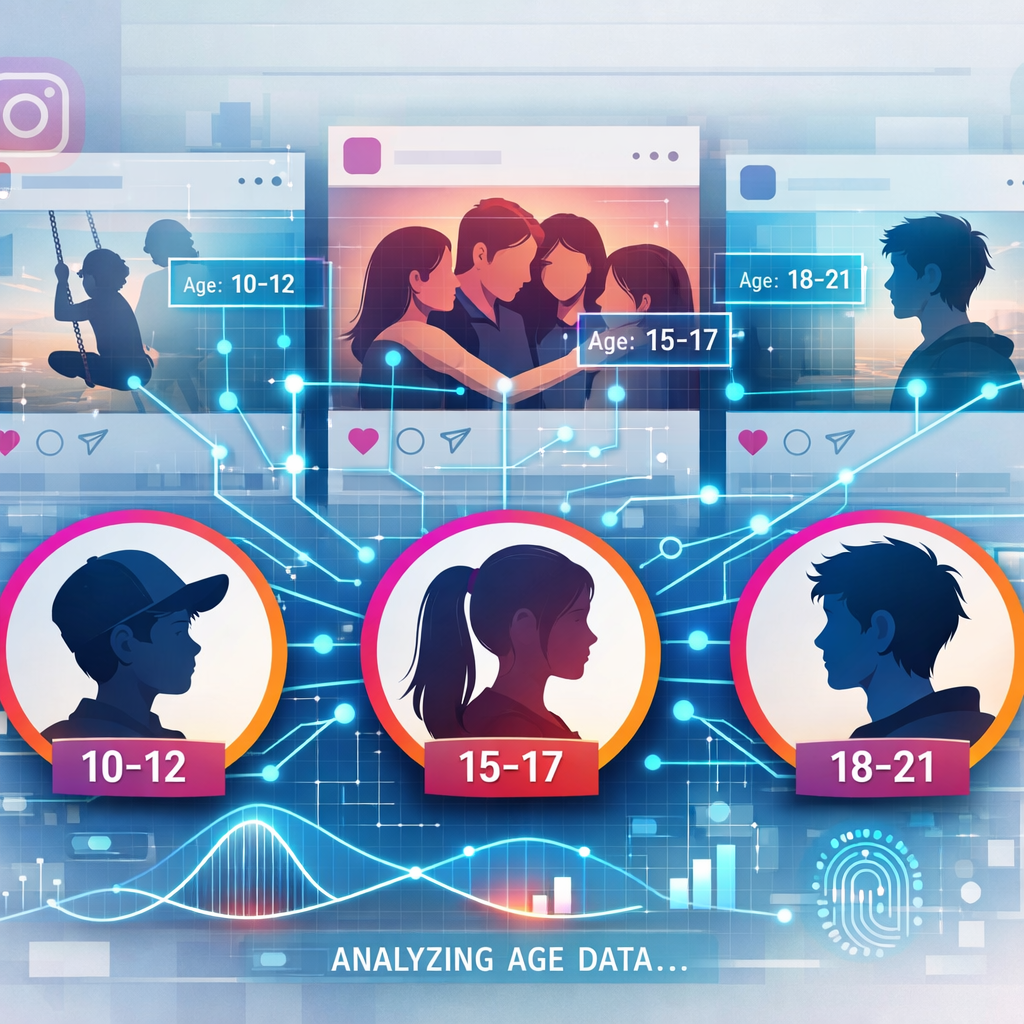
Meta is expanding a new AI tool on Instagram that estimates user age to enforce tougher protections for teens. The technology, now active worldwide, aims at detecting when someone might be underage—even if they’ve entered a different birthday—and triggering Instagram’s Teen Account setting, which features stricter privacy and safety restrictions. The change follows mounting lawsuits over social media’s effects on youth.
How the age-guessing works
The system uses AI to scan a user’s entire profile for context clues. It looks at posts, captions, comments, bios and details like mentions of school grades or birthday parties. It also checks photos and videos for visual indicators such as height or bone structure. Once the system thinks an account belongs to someone between 13 and 17, or even under 13, it switches that profile into a Teen Account—regardless of the birthday the user originally entered.
Teen Account protections & legal backdrop
Teen Accounts carry features designed for younger users: messaging only from approved contacts or follow-back users, setting the account to private by default, and hiding potentially harmful comments. Meta says similar detection tools are active already on Facebook and expects to enable them on Threads later this year.
The rollout comes after Meta agreed in August to settlements worth up to $18 billion with nearly every U.S. state and territory. The deals addressed claims that Meta’s platforms harmed teens, requiring it to enhance how it identifies minors and ensures age-appropriate experiences. As part of those agreements, the company pledged to strengthen identification of children under 13 and teens 13-17. Parents in the U.S. will start seeing Instagram posts explaining how the age protections work.
What the tool isn’t and what it might mean
Meta says this system won’t apply rules based on a user’s claimed birthday alone if the age prediction model suggests otherwise. The aim is proactive enforcement of safety rules even when users misrepresent their age. While Meta uses various signals, the method could lead to false positives—users who look young but aren’t, or whose profiles have ambiguous or misleading cues.
This move reflects broader policy and commercial pressures demanding safer environments for young people on social platforms. Privacy, youth mental health, and regulatory risk have been areas of increasingly intense focus. Meta’s AI age-prediction is its latest attempt to respond.
Analytical angle: Meta’s global deployment of age-prediction AI marks a significant escalation in tech companies using machine learning for content moderation and user classification. It adds a new enforcement layer beyond self-reported age, suggesting future applications could include more automated judgment calls around user behavior. Observers should watch how reliable these AI predictions are, how transparent Meta is about errors, and what legal or ethical standards emerge around rights of minors online.