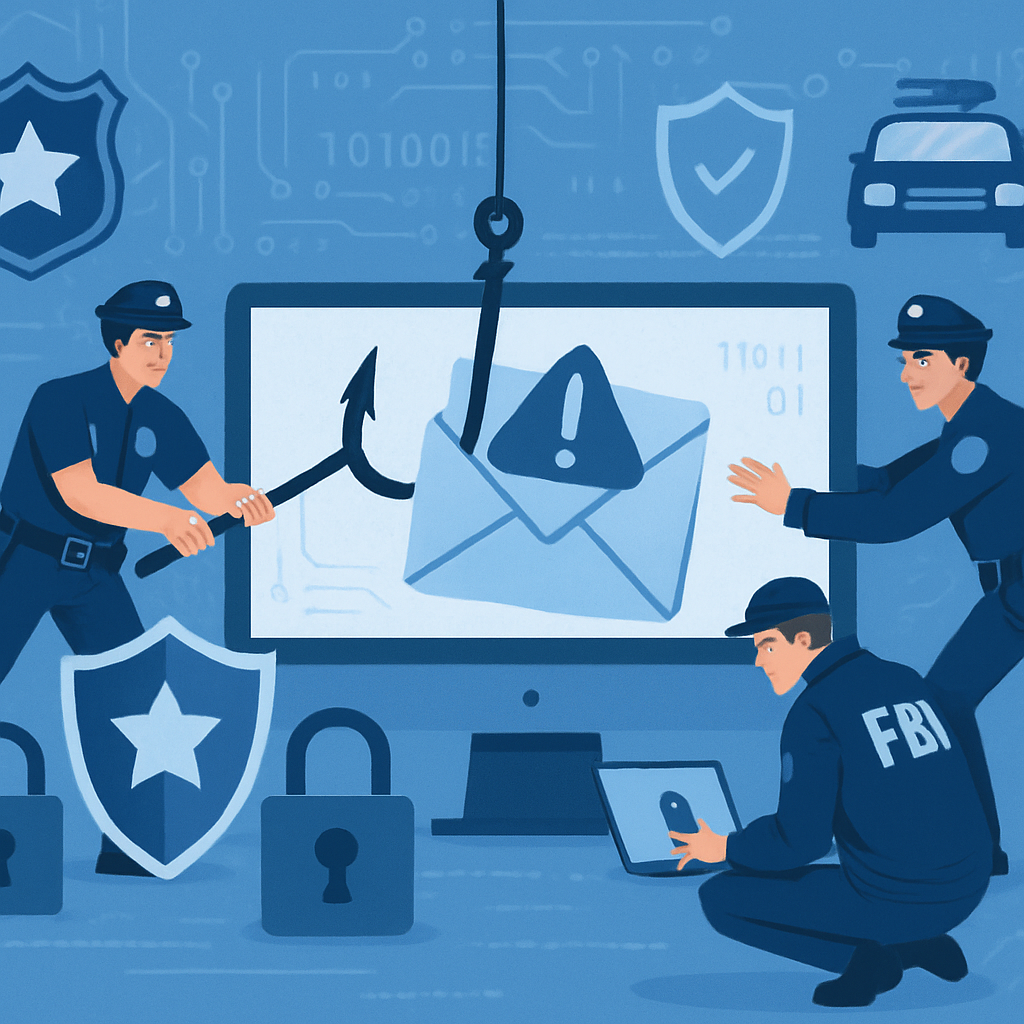
In a significant blow to cybercrime, German and U.S. law enforcement agencies have successfully dismantled the core infrastructure of Kratos, a notorious phishing-as-a-service (PhaaS) platform. Indonesian authorities have also arrested the alleged developer and technical administrator behind the operation.
Kratos enabled cybercriminals, even those with limited technical expertise, to launch sophisticated phishing campaigns. The platform specialized in creating convincing Microsoft-themed phishing pages designed to steal credentials and session cookies, effectively bypassing multi-factor authentication (MFA) and compromising Microsoft 365 accounts.
Authorities estimate that over 1,800 criminal entities utilized Kratos, conducting approximately 15,000 phishing campaigns each month. These campaigns targeted hundreds of thousands of victims across more than 30 countries, with a particular focus on Europe and the United States. Key industries affected included manufacturing, retail, healthcare, and educational institutions. Since 2024, the operation is believed to have generated over €300,000 in illicit profits.
The takedown involved neutralizing more than 200 servers integral to Kratos’s operations. This action effectively disrupted the platform’s ability to continue its phishing activities. The arrest of the alleged developer in Indonesia marks a significant step in holding the perpetrators accountable.
Kratos’s modus operandi involved providing cybercriminals with a digital toolkit to create and manage deceptive login pages that closely mimicked legitimate Microsoft authentication portals. By capturing both login credentials and session cookies, attackers could gain unauthorized access to accounts, sidestepping MFA protections. This method allowed for the exploitation of compromised accounts for further phishing attacks, data theft, or as entry points into organizational networks.
The success of this operation underscores the effectiveness of international collaboration in combating cybercrime. By dismantling such a pervasive phishing infrastructure, authorities have not only disrupted ongoing malicious activities but also sent a strong message to cybercriminals about the risks of engaging in such enterprises.
For organizations and individuals, this development serves as a reminder of the persistent threat posed by phishing attacks. It highlights the importance of implementing robust cybersecurity measures, including the use of phishing-resistant authentication methods and continuous user education to recognize and report suspicious activities.