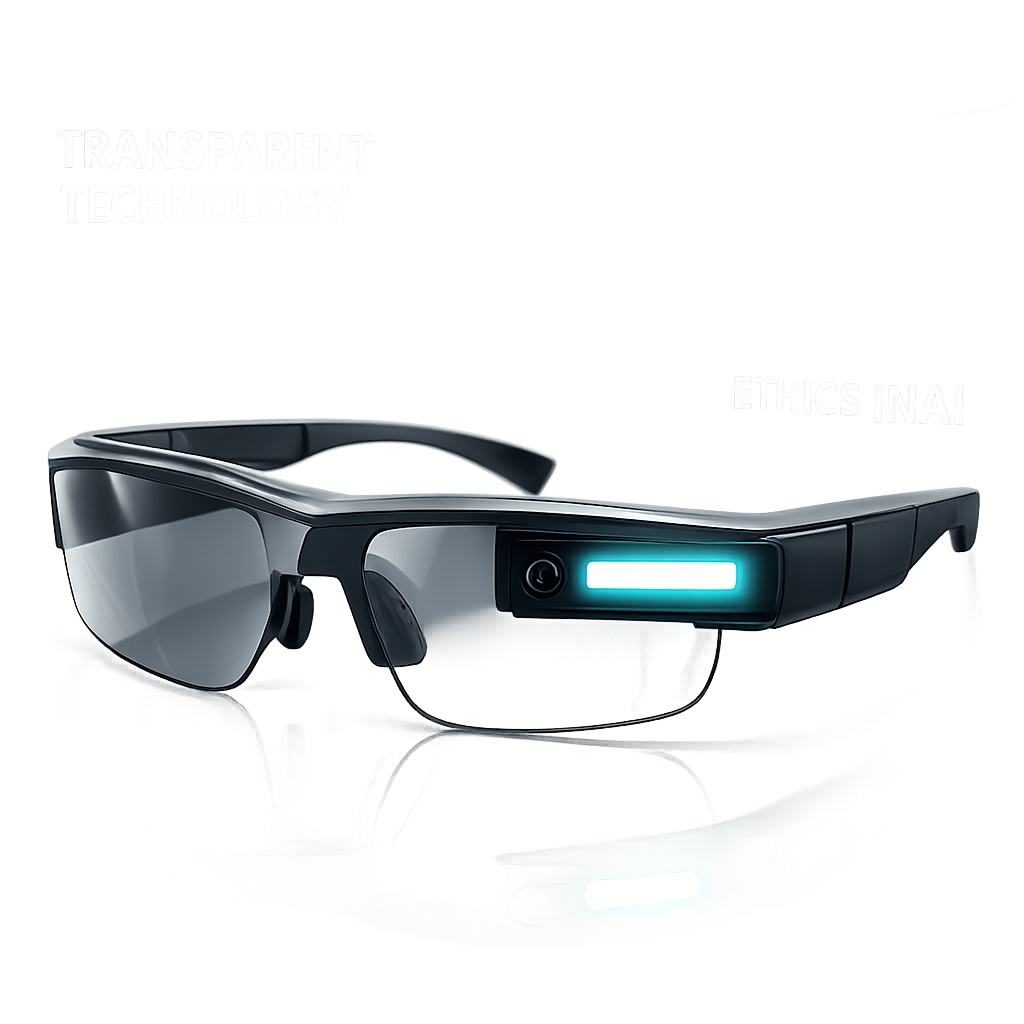
Meta’s latest smart glasses, launched this summer, aimed to shake up the category with more affordable models and fashion-forward lines tied to influencers like Kylie Jenner and LISA. But one long-standing issue remains unaddressed: the camera LED indicator. Its stealthy design has drawn criticism, especially when people disable it to bypass recording notifications. Despite software fixes that disable the device when the LED is tampered with, trust issues persist.
Why the LED Still Matters
While Meta’s lineup offers numerous styles and branding, the camera LED hasn’t changed. In contrast, competitor designs from Samsung, Gentle Monster, and Warby Parker make the indicator more visually distinct—offering an obvious signal when the camera is active. For many, that contrast feels more privacy-conscious and less misleading. Meta’s symmetrical design arguably hides the LED in plain sight, which may be harming perceptions more than the hardware itself.
Meta has attempted to close the loophole where users disable LEDs through software updates, but the damage to public perception is already baked in. Social media’s “perv glasses” label reflects real unease around stealthy or stealth-inviting wearables. A redesign that makes the LED overt—visibly separated from the camera—carries the potential to reset expectations.
Where Meta Could Go Next
On November 17, David Woodland, product lead at Meta, posted and later deleted a render of a new cateye design that looked strikingly similar to existing fashion-forward styles. His caption, though playful, suggested awareness of how polarizing Meta’s LED design has become. It raised the question of whether Meta might adopt a design language more like its competitors—one where function and visibility are not at odds.
By making the LED obviously different—and likely more noticeable than the camera module—Meta could help restore some measure of confidence. Such a change would signal that the company is taking ethical optics (literally) seriously. Consumers are beginning to expect visible indicators, especially as smart wearables evolve beyond novelty into everyday tools.
While aesthetics and brand identity matter, the core of this issue isn’t fashion—it’s consent. A transparent design that clearly communicates when recording might help Meta regain trust with users uneasy about opaque tech. Visibility could become the new baseline for privacy in wearable cameras.
This redesign wouldn’t erase every criticism, but it could move Meta’s glasses out of the “guilty until proven innocent” category. As competitors lean into signaling, Meta’s next design steps may determine whether it’s seen as a tech leader or a privacy laggard.