Meta has acknowledged that its AI assistant Muse was largely modeled after the open-source project OpenClaw — though insists Muse was built from the ground up. The claim marks a shift from earlier ambiguity, clarifying why many users noticed striking resemblances between the two systems.
Not Just Coincidence: Muse Bears OpenClaw’s Mark
In a statement posted on X, Nat Friedman, Meta’s Head of Product at its Superintelligence Labs (MSL), admitted that Muse draws heavy inspiration from OpenClaw. He emphasized that while Muse was developed independently, the design of OpenClaw left a strong impression. The team admired OpenClaw’s structure so much that Muse was conceived to mirror certain features — scaled for mass use and enhanced in safety and accessibility.
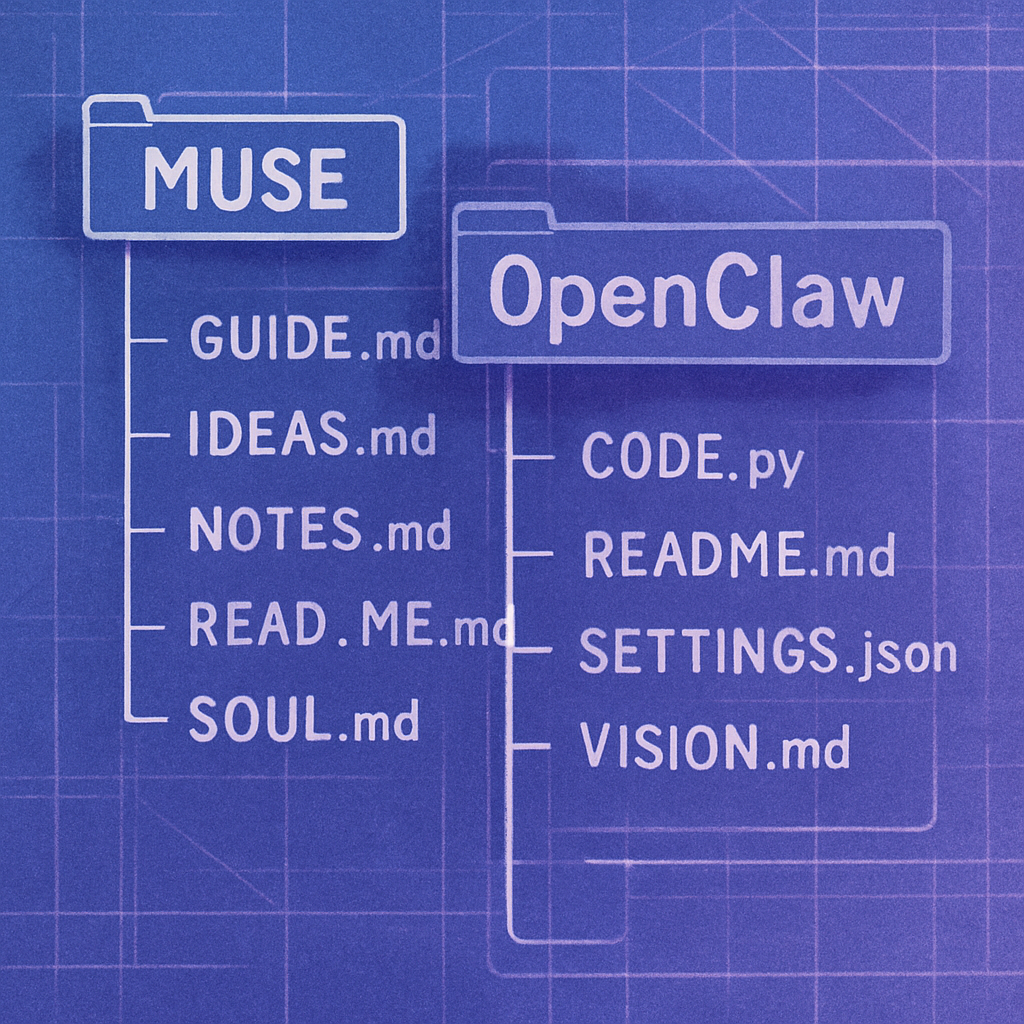
The parallels aren’t minor. Observers noticed Muse includes configuration files that closely match those in OpenClaw, including a “SOUL.md” file. This file in both systems appears to define core personality traits, behavioral norms, and expertise. When questioned about the near-identical content of these configuration files — especially SOUL.md — Friedman didn’t deny the similarity. Instead, he stated that OpenClaw’s creator “got those things exactly right,” implying Muse replicated those elements out of admiration and rather than oversight.
Muse’s Origins and Positioning
Friedman shared that he first used OpenClaw earlier this year and was so impressed that he purchased hundreds of Mac minis for the MSL team to dive deeper into its architecture and user experience. From there, Muse began as a vision: something like OpenClaw — safe, secure, and user-friendly — built to reach billions.
Though Muse borrows certain concepts and file structures, Meta maintains everything in the app was developed fresh; no codebase was copied. The goal was to preserve what worked about OpenClaw’s agent model while reimagining it for broader deployment, and with tighter safeguards.
The launch of Muse appears to have paid off. Shortly after release, it climbed to the top spot on the U.S. App Store. Early metrics suggest it is outperforming ChatGPT’s launch when comparing availability and features during their respective rollouts.
Meta did not offer further commentary beyond Friedman’s public disclosures. It is clear, however, that this isn’t the first time observers have likened Muse to OpenClaw — similarities in file names and behavior triggered conversations and comparisons that Meta now confirms were intentional.
Why This Matters
The Muse vs. OpenClaw story sits at the center of a broader conversation in AI: how innovation is built upon existing work, especially when that work is open-source. The overlapping structure raises questions about how much transformation is required for inspiration to cross into replication.
For users, the concern isn’t just technical. How Muse handles sensitive design elements — especially personality definitions and behavioral limits — affects trust, safety, and alignment. When an AI agent’s boundaries and values trace back to another system almost verbatim, it sparks debates about ownership, originality, and transparency.
This disclosure also impacts Meta’s public image. The company has long been criticized for closely mimicking competitors’ features — Snapchat stories, short-form video, etc. By openly admitting Muse’s roots lie in OpenClaw, Meta risks reinforcing that narrative, but presumably hopes the admission and its promises of privacy, safety, and accessibility win over early skeptics.
Ultimately, this is a wake-up call for the AI community: open-source models can shift the baseline for inspiration vs. imitation. As more AI agents adopt shared standards and components, the lines will get blurrier. What remains to watch: how Meta evolves Muse’s files and architecture over time, how OpenClaw’s creators and ecosystem respond, and whether regulators take notice of how AI products base themselves on open-source peers.