Ferrari’s Luce: A Bold Leap into the Electric Future
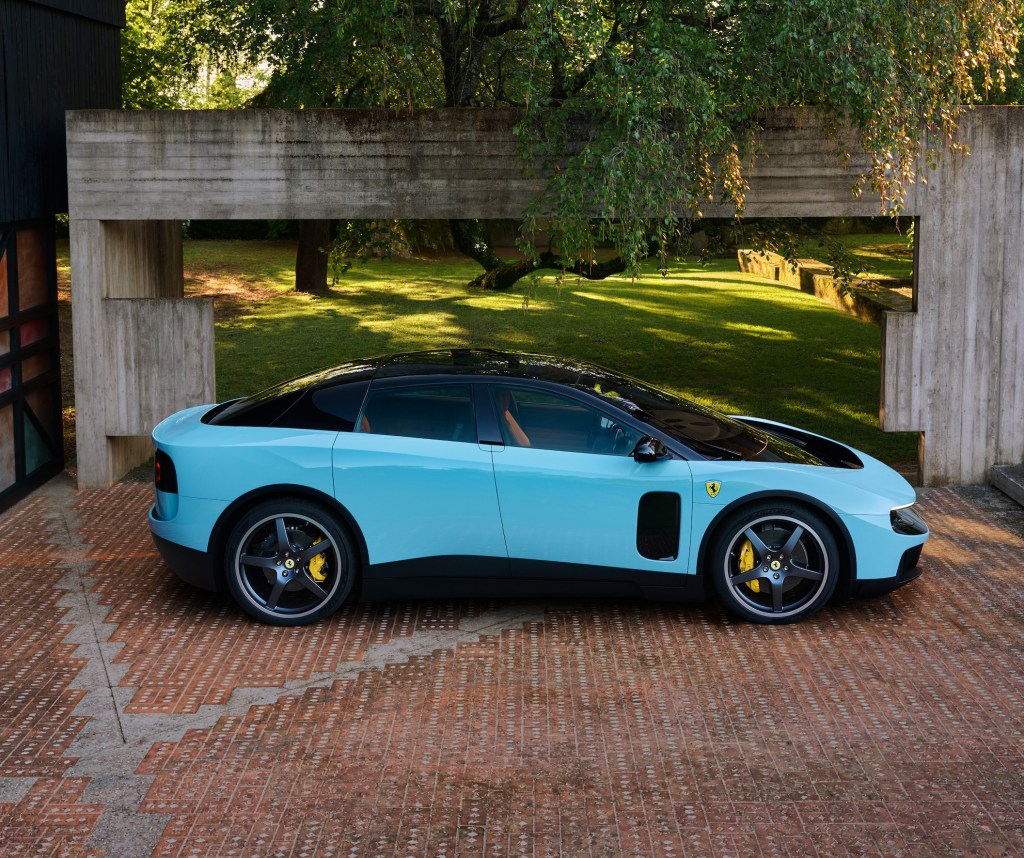
Ferrari has unveiled its inaugural electric vehicle, the Luce, a five-seater designed under the guidance of Jony Ive and his design firm, LoveFrom. This model boasts impressive specifications, including 1,000 horsepower and acceleration from 0 to 60 mph in just over two seconds. However, the Luce’s wedge-shaped design has sparked widespread debate, drawing comparisons to models from other manufacturers and eliciting mixed reactions from enthusiasts and critics alike.
The unveiling of the Luce has led to a noticeable dip in Ferrari’s stock price, with some media outlets describing the model as quite a stretch. This raises the question: who is the Luce intended for?
Priced at approximately $650,000, the Luce is beyond the reach of the average consumer. Ferrari’s selective customer base means that even those who can afford it may not be able to purchase one. Traditionally, Ferrari’s clientele consists of existing owners, with over 80% of the 14,000 buyers last year already owning a Ferrari. However, the Luce’s departure from Ferrari’s classic design language may not resonate with this loyal customer base.
The Luce’s design and features may appeal to other car designers, offering innovative elements that could influence future automotive designs. Additionally, regulatory pressures, such as the European Union’s impending restrictions on internal combustion engine vehicles by 2035, may have influenced Ferrari’s decision to develop the Luce. This move could be seen as Ferrari’s proactive step towards compliance with future regulations.
In an interview with Cleo Abram, Jony Ive likened the challenge of designing an electric Ferrari to the transition faced by luxury watchmaker Patek Philippe during the shift from mechanical to quartz movements. Ive noted that if Patek Philippe had been mandated to transition entirely to quartz, the challenge would mirror what Ferrari is currently experiencing.
Despite the controversies, Ferrari anticipates that the Luce will be profitable from the outset. The company’s chief marketing and commercial officer mentioned that the Luce is intended to be polarizing and is primarily aimed at individuals who already own an electric vehicle. This suggests that Ferrari is targeting a new demographic, possibly in markets like China, where the demand for high-performance electric vehicles is growing.
The Luce’s design aligns with trends emerging from China’s automotive industry, indicating that Ferrari may be positioning itself to attract Chinese consumers who value both performance and prestige. The key question remains: will these buyers be willing to invest in the Luce for the iconic prancing horse emblem?